
If you love pasta but want something a little lighter, more nourishing, or simply different, you are not alone. Pasta has a comforting place at the table, but there are many wholesome alternatives that can bring the same sense of satisfaction while offering more fiber, more vegetables, or a gentler effect on energy levels. The best healthy substitute for pasta depends on what you are hoping to change: fewer refined carbs, more nutrients, a gluten-free option, or just a fresh way to enjoy your favorite sauces.
Rather than thinking of pasta alternatives as a restriction, it can help to see them as an invitation. A different base can open the door to new textures, colors, and flavors, while still feeling cozy and familiar. Whether you are craving a warm bowl of marinara, a creamy pesto dish, or a hearty noodle soup, there is likely a wholesome option that fits beautifully.
Zucchini noodles for a light, fresh meal
One of the most popular pasta substitutes is zucchini noodles, often called zoodles. They are made by spiralizing zucchini into long strands that resemble spaghetti. Zucchini noodles are low in calories, naturally hydrating, and easy to pair with a wide range of sauces. They work especially well when you want a meal that feels fresh and vegetable-forward.
Zoodles are best cooked briefly so they keep a pleasant bite. A quick toss in a pan for one to two minutes is usually enough. If they are overcooked, they can become watery, so a gentle hand helps preserve their texture. They pair nicely with tomato sauce, basil pesto, olive oil, garlic, cherry tomatoes, and grilled chicken or shrimp if you enjoy adding protein.
For a balanced plate, it helps to add some healthy fat and protein alongside zucchini noodles. A sprinkle of parmesan, a handful of toasted nuts, or a serving of beans can make the dish more satisfying and steadying.
Spaghetti squash for a comforting, noodle-like texture
Spaghetti squash is another nourishing option that feels especially comforting. Once roasted, the flesh separates into tender strands that look and feel a bit like spaghetti. It has a mild flavor, which makes it a lovely backdrop for rich sauces and savory toppings.
Spaghetti squash is naturally gluten-free and lower in carbohydrates than traditional pasta. It also offers fiber, vitamin C, and potassium. To prepare it, simply roast it until soft, then scrape out the strands with a fork. It can be served with marinara, sautéed vegetables, turkey meatballs, or a drizzle of olive oil and herbs.
Because spaghetti squash has a softer texture than pasta, it works best with sauces that are not too heavy. A simple tomato-based sauce or a light garlic-herb dressing usually complements it well. If you are looking for a meal that feels grounding without being overly heavy, this is a gentle and satisfying choice.
Whole grain pasta for a more nourishing classic
Sometimes the healthiest substitute for pasta is not a substitute at all, but a better version of the original. Whole grain pasta can be a meaningful upgrade if you want the familiar taste and texture of pasta with added fiber and nutrients. Compared with refined white pasta, whole grain varieties tend to digest more slowly and may help keep you fuller for longer.
Whole grain pasta is made from the entire grain, which means it retains more of its natural vitamins, minerals, and fiber. It has a slightly nuttier flavor and a heartier texture, but it still works beautifully in many traditional pasta dishes. If you enjoy pasta as a staple, this can be a simple and sustainable shift.
Pair whole grain pasta with plenty of vegetables, olive oil, beans, seafood, or lean protein for a meal that feels balanced and satisfying. A pasta dish does not need to be overly complicated to be nourishing. Often, a few good ingredients used with care are enough.
Legume-based pasta for extra protein and fiber
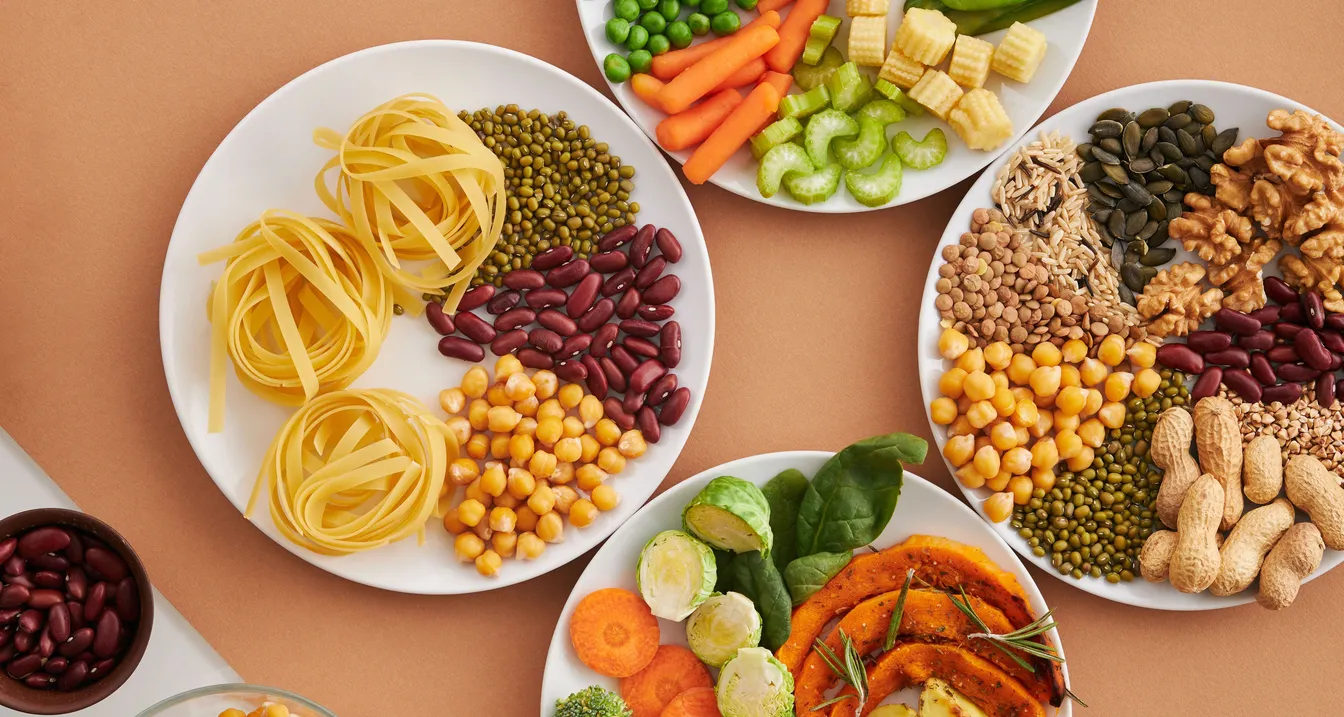
Chickpea, lentil, and black bean pastas have become increasingly popular, and for good reason. These pasta alternatives are made from legumes rather than wheat, which means they usually contain more protein and fiber than traditional pasta. They can be especially helpful if you want a more filling meal or are trying to support steadier energy.
Legume-based pasta comes in many shapes, from spaghetti to penne to fusilli. The flavor is slightly different from wheat pasta, but when paired with a flavorful sauce, it often blends in beautifully. Chickpea pasta works well with pesto and roasted vegetables. Lentil pasta pairs nicely with tomato sauce and mushrooms. Black bean pasta can be a good fit for bolder flavors and dishes with spices.
Because these pastas can be a bit more delicate, it is important not to overcook them. Follow the package directions closely and taste as you go. A simple sauce, fresh herbs, and a touch of olive oil can be enough to create a comforting meal without overwhelming the natural flavor of the legumes.
Shirataki noodles for a low-carb option
If you are looking for a very low-carb pasta substitute, shirataki noodles may be worth considering. These noodles are made from konjac root and are mostly water and fiber. They are very low in calories and carbohydrates, and they have a slippery texture that differs from traditional pasta.
Shirataki noodles can take some getting used to, but when prepared well, they can be a helpful option for those following low-carb or calorie-conscious eating patterns. Rinsing them thoroughly and dry-cooking them in a pan before adding sauce can improve their texture and reduce any unusual aroma.
Because they are quite light on their own, shirataki noodles are best paired with flavorful ingredients such as stir-fried vegetables, sesame oil, ginger, garlic, tofu, chicken, or a rich broth. They are less about mimicking pasta exactly and more about offering a neutral base for bold, nourishing flavors.
Cauliflower for a soft, versatile base
Cauliflower can be used in several ways as a pasta alternative. You can rice it, mash it, or even roast it into bite-sized florets to serve with sauce. While it does not resemble pasta in shape, it can stand in for a comforting starch when you want something lighter and more vegetable-rich.
Cauliflower rice can be used under a saucy dish where pasta might normally be served. It absorbs flavors well and adds a soft, tender texture. Cauliflower florets can also be roasted and tossed with garlic, olive oil, and herbs for a simple and satisfying meal. If you enjoy creamy sauces, cauliflower can even be blended into a silky base for a lighter version of Alfredo.
One of the benefits of cauliflower is its versatility. It is mild enough to take on many flavors, and it can fit into a wide range of meals without feeling repetitive. It is also a good source of vitamin C, fiber, and antioxidants.
Butternut squash for warmth and natural sweetness
For those who enjoy a little sweetness and warmth in their meals, butternut squash can be a lovely pasta substitute. Spiralized butternut squash noodles offer a tender, colorful base that pairs beautifully with sage, garlic, browned butter, or tomato sauce. The natural sweetness of the squash adds a comforting depth to the dish.
Butternut squash is rich in beta-carotene, which the body converts into vitamin A, along with fiber and other helpful nutrients. It is especially appealing in cooler months, when heartier meals feel more grounding. Because it softens quickly, it is best to roast or sauté it gently to avoid breaking the strands.
Butternut squash noodles can be served with sausage, chickpeas, spinach, or toasted walnuts. The combination of sweet, savory, and earthy flavors can feel deeply satisfying while still remaining nutrient-dense.
How to choose the best substitute for your needs
The healthiest pasta substitute is not the same for everyone. The best choice depends on your goals, your digestion, and the kind of meal you are hoping to enjoy. If you want something light and vegetable-based, zucchini noodles or spaghetti squash may be ideal. If you need more protein and fiber, legume-based pasta could be a better fit. If you simply want a more nourishing version of a classic dish, whole grain pasta may be the most sustainable choice.
It can help to ask a few gentle questions before deciding:
- Do I want fewer carbohydrates or simply more nutrients?
- Am I looking for a gluten-free option?
- Do I want the meal to feel light, hearty, or filling?
- What sauces and toppings will I use?
- Which texture feels most satisfying to me?
There is no single right answer. Sometimes the most supportive option is the one you will actually enjoy and return to. Sustainability matters, especially when building habits that support long-term well-being.
Ways to make any pasta substitute more satisfying
No matter which substitute you choose, the final meal often depends on how it is assembled. A bowl of noodles or vegetables becomes much more nourishing when it includes a balance of protein, healthy fats, and fiber-rich ingredients. This helps the meal feel complete and can support more steady energy afterward.
Consider adding:
- Protein: chicken, fish, tofu, tempeh, eggs, beans, lentils, or turkey
- Healthy fats: olive oil, avocado, nuts, seeds, or pesto
- Vegetables: spinach, mushrooms, peppers, tomatoes, broccoli, or greens
- Fresh herbs: basil, parsley, dill, mint, or cilantro
- Flavor boosters: garlic, lemon, chili flakes, parmesan, capers, or nutritional yeast
When a meal has color, texture, and balance, it tends to feel more satisfying without needing to be heavy. That balance can be a quiet kind of nourishment, one that supports both the body and the mind.
A gentle approach to eating well
Choosing a healthy substitute for pasta does not mean you must give up comfort food. Food can still be cozy, delicious, and deeply enjoyable while also supporting your well-being. In many cases, the most nourishing meals are the ones that feel both satisfying and simple.
You might find that some days call for zucchini noodles and other days call for whole grain pasta or chickpea penne. That flexibility is part of a balanced relationship with food. Instead of chasing perfection, it can be more helpful to focus on variety, satisfaction, and how different foods make you feel.
Over time, these small, thoughtful choices can become a natural part of your routine. A lighter pasta substitute one day, a heartier grain the next, and plenty of vegetables throughout the week can create a rhythm that feels grounded and sustainable. In that way, healthy eating becomes less about rules and more about care.