


If you’re new to gardening, growing your own herbs is one of the easiest and most rewarding places to start. Herb spices are usually compact, forgiving, and useful in the kitchen almost immediately. Even if you only have a sunny windowsill, balcony, or small backyard bed, you can still enjoy fresh flavor at home with very little effort.
One of the best parts of growing herbs is that they don’t just look and smell wonderful — they also make everyday cooking taste brighter and more interesting. Many beginner-friendly herbs are hardy enough to handle a few mistakes, which makes them perfect for first-time gardeners. With the right light, a little water, and basic care, you can grow fresh seasonings all season long.
1. Basil
Basil is often the first herb people try growing because it grows quickly and pairs beautifully with so many dishes. It loves warmth and plenty of sunlight, so a bright windowsill or sunny patio is ideal. Basil can be grown in pots or directly in the ground, and it usually rewards you with lush, fragrant leaves within weeks.
To keep basil healthy, pinch off the top leaves regularly. This encourages the plant to grow bushier instead of tall and spindly. Beginners should also avoid letting basil flower too early, since flowering can change the flavor and slow leaf production. If you’re harvesting often, you’re actually helping the plant keep producing.
Best use: pasta sauces, salads, pesto, pizza, and tomato dishes.
Beginner tip: water the soil when the top feels dry, but don’t let the roots sit in soggy conditions.
2. Mint
Mint is one of the easiest herbs to grow, and in some gardens it grows a little too well. That’s why many gardeners prefer to plant mint in a pot rather than directly in the ground. It spreads quickly through its roots, so container growing helps keep it under control.
Mint does well in partial sun or bright indirect light, making it a flexible option for people who don’t have a full day of sunshine. It likes consistently moist soil and tends to bounce back even when it’s been neglected for a short time. Fresh mint leaves can be picked often, and the more you trim it, the more it tends to grow.
Best use: tea, desserts, fruit salads, cocktails, sauces, and garnishes.
Beginner tip: place mint in its own pot so it won’t crowd out your other plants.
3. Parsley
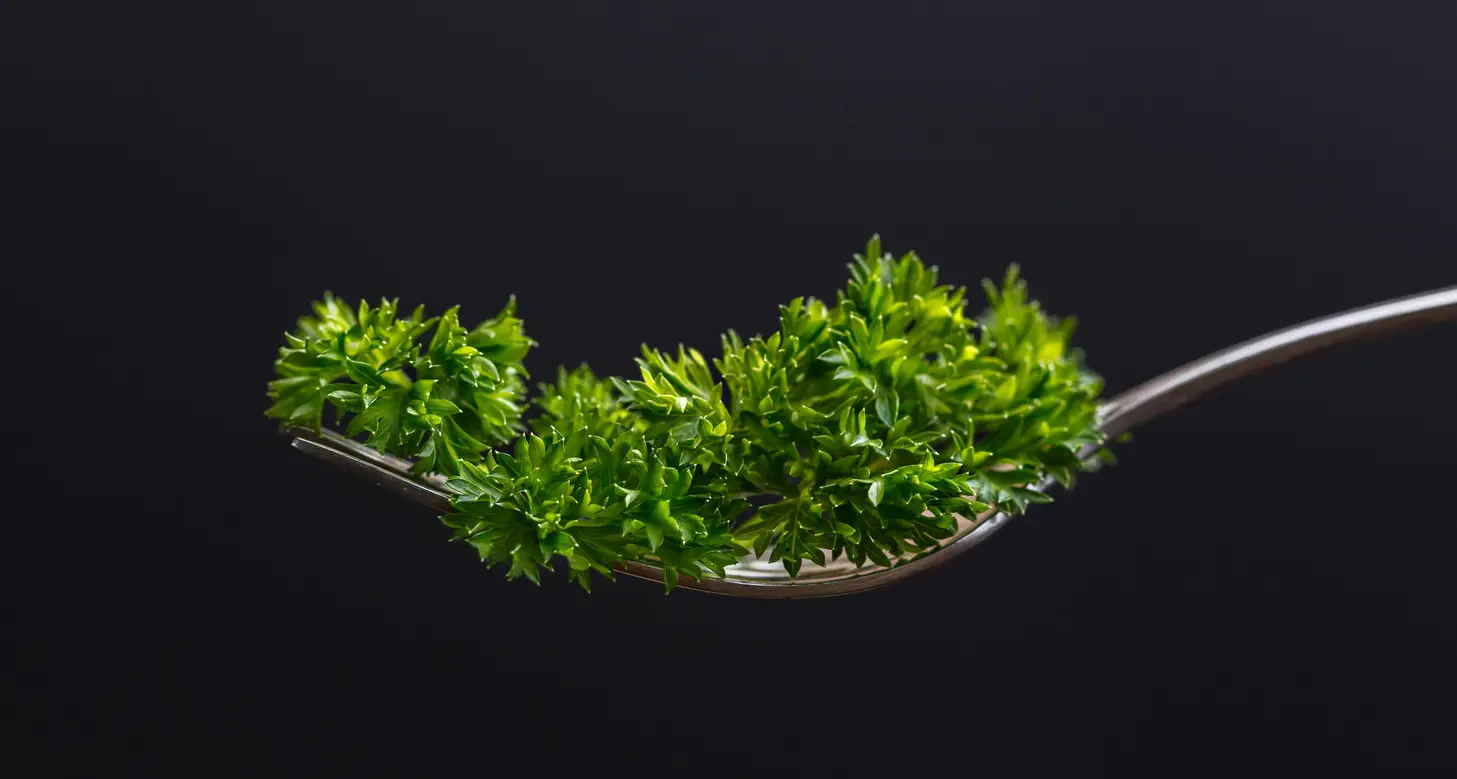
Parsley is a reliable herb that works well for beginners because it can grow in containers or garden beds and adapts to a range of conditions. There are two common types — curly and flat-leaf — and both are easy to use in the kitchen. Parsley grows a bit more slowly than basil or mint, but it’s steady and dependable.
This herb prefers full sun to partial shade and regular watering. If you’re growing it from seed, be patient, as parsley can take a while to sprout. Once established, however, it can provide a long harvest window. The leaves taste fresh and bright, making them a great addition to simple meals.
Best use: soups, roasted vegetables, eggs, grain bowls, and homemade sauces.
Beginner tip: harvest outer stems first so the plant can keep growing from the center.
4. Chives
Chives are a wonderful choice if you want an herb that is low-maintenance and attractive. Their thin green stalks grow in neat clumps, and in spring they often produce pretty purple flowers. Chives have a mild onion-like flavor that can be used fresh or snipped directly over food.
They prefer full sun, but they can also tolerate some light shade. Chives are perennials in many climates, which means they come back year after year with minimal effort. They are also easy to grow in pots, raised beds, or herb boxes. For beginners, this is a great plant because it doesn’t demand constant attention.
Best use: baked potatoes, scrambled eggs, dips, soups, and cream cheese spreads.
Beginner tip: use scissors to harvest the leaves rather than pulling them by hand.
5. Thyme
Thyme is a compact, hardy herb that performs well in containers and small garden spaces. It has tiny leaves and a savory, earthy flavor that can elevate everything from roasted vegetables to chicken dishes. Unlike some herbs that need frequent watering, thyme prefers soil that dries out a bit between waterings, which makes it a good match for busy gardeners.
This herb loves sun and good drainage. If you’re planting thyme in a pot, choose one with drainage holes and use a light potting mix. Once established, thyme can become drought-tolerant and is often one of the easier herbs to keep alive. It also looks lovely as a border plant or in a mixed herb container.
Best use: roasted meats, potatoes, stews, marinades, and soups.
Beginner tip: avoid overwatering, since thyme does best when the soil is allowed to dry slightly.
Simple Tips for Growing Herb Spices Successfully
Even beginner herbs do best when a few basic growing habits are followed. Start by giving each plant the light it needs, since most herbs prefer at least several hours of sun per day. Good drainage is equally important, especially for herbs grown in containers. A pot with drainage holes and well-draining soil can prevent root problems before they start.
It also helps to harvest frequently. Many herbs grow better when they are trimmed often, because cutting back encourages fresh new growth. Use clean scissors or garden snips, and never remove more than about one-third of the plant at a time. If you’re growing indoors, rotate your pots every few days so the plants grow evenly toward the light.
Another useful habit is to group herbs by watering needs. For example, basil and mint like more moisture, while thyme prefers drier soil. Keeping them in separate containers can make care much easier. Beginners often find that container gardening gives them the most control, especially during the first season.
Choosing the Right Herb for Your Space
The best herb to grow is the one that fits your lifestyle and available space. If you want fast results, basil and mint are satisfying choices. If you prefer something steady and useful over a longer period, parsley and chives are excellent picks. If you want a plant that requires less watering, thyme may be the easiest of all.
For apartment dwellers or anyone with limited outdoor space, a small herb collection on a sunny windowsill can make a big difference in daily cooking. A few pots can provide enough fresh flavor for salads, pasta, soups, and snacks without taking up much room. If you have more space, you can mix several herbs in a raised bed or planter, as long as you avoid pairing aggressive growers like mint with more delicate plants.
Growing herbs is less about perfection and more about learning by doing. A few yellow leaves or uneven stems are normal, especially at the beginning. The more you observe your plants, the easier it becomes to understand what they need. And because herbs grow quickly, you often get fast feedback — which makes the learning process fun and encouraging.
Once you start harvesting your own herbs, even a simple meal can feel a little more special. Fresh basil on tomatoes, chopped chives over eggs, a handful of parsley in soup, or a sprig of thyme on roasted vegetables can turn everyday cooking into something memorable. That’s what makes herb gardening such a great project for beginners: it’s practical, flavorful, and surprisingly satisfying from the very first harvest.