
Eating less is rarely about white-knuckling your way through hunger. More often, it is about changing the scenery around your appetite so that small, steady habits begin to do the heavy lifting. Think of it like learning the rhythm of a new city: at first the streets feel busy and confusing, but soon you notice where the quiet corners are, where the best bakeries hide, and how to move without getting swept along by the crowd.
The same is true with food. Hunger, routine, mood, fatigue, celebration, boredom, screens, social pressure — they all shape how much we eat. If you want to eat less, the goal is not punishment. It is to build a life where smaller portions feel satisfying, where meals are more intentional, and where you are not constantly negotiating with your own cravings.
Start with the plate in front of you
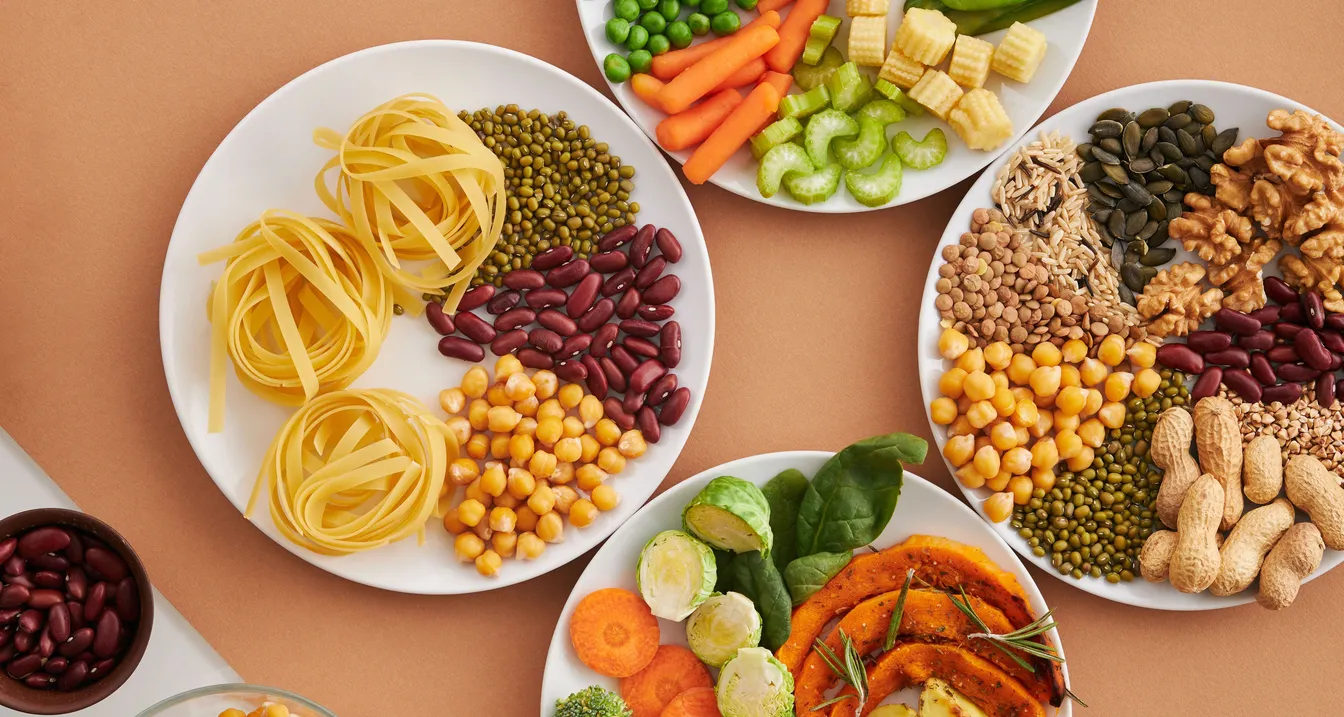
One of the simplest ways to eat less is to make each meal more visually and physically satisfying. A plate that looks abundant can calm the mind before the first bite. Fill half with vegetables, a quarter with protein, and a quarter with starches or grains. This is not a rigid law carved into stone; it is a practical map. Colorful vegetables, lean proteins, beans, eggs, yogurt, fish, tofu, and whole grains tend to bring more nourishment per bite, which can help you feel full on less food.
Size matters too. Large plates and oversized bowls can quietly encourage larger servings, much like a grand plaza invites people to linger longer than planned. Try using a smaller plate for dinner or serving yourself in the kitchen instead of bringing the whole pot to the table. You are not depriving yourself; you are giving your appetite clearer boundaries.
Eat more slowly than your hunger wants
The body often needs time to catch up with the mouth. It can take 15 to 20 minutes for fullness signals to settle in, and many of us eat as though we are trying to catch a departing train. Slowing down is one of the most effective ways to eat less without feeling restricted.
Put the fork down between bites. Sip water. Notice the texture of the food, the aroma, the temperature. If you are eating bread, taste the crust before the center. If you are eating fruit, notice the burst of sweetness before you swallow. This is not about turning dinner into a meditation retreat, though a little mindfulness never hurts. It is about making the meal last long enough for your body to register satisfaction.
If you want a practical rule, try the one-third pause: after you finish about one-third of the meal, stop for a moment and ask whether you are still truly hungry or simply moving by habit. A pause can be the difference between satisfied and overfull.
Do not arrive at meals ravenous
One of the easiest ways to overeat is to let yourself get too hungry. By the time you sit down, you are no longer choosing between a sensible portion and a second helping; you are in a race against your own appetite. This is where many good intentions collapse.
Regular meals and planned snacks can help. If your day is long, bring a fruit, a handful of nuts, yogurt, or hummus and vegetables so you do not end up at dinner starving. The aim is stability. When blood sugar dips and energy fades, the brain starts making loud, impulsive requests for quick calories. A steadier pattern makes it easier to stop at a comfortable amount.
Think of it like navigating a remote road: you do not wait until the tank is empty and the sun is setting before looking for fuel. You refill before the pressure builds.
Make protein and fiber your anchors
Some foods are simply more filling than others. Protein and fiber are particularly helpful if you want to eat less because they tend to keep hunger at bay for longer. Protein supports satiety, while fiber adds volume and slows digestion. Together, they create a meal that feels substantial without needing to be enormous.
Choose foods like chicken, fish, eggs, cottage cheese, lentils, chickpeas, tofu, tempeh, berries, apples, oats, beans, and leafy greens. A breakfast of eggs and vegetables may keep you steadier than pastry. A lunch with beans, grains, and a bright salad may carry you farther than a sandwich made mostly of refined flour. This is not about moralizing food. It is about understanding how different ingredients behave once they are inside the body.
When meals are built around these anchors, the urge to keep grazing often softens. The body feels fed, not teased.
Watch the invisible calories
Sometimes eating less is less about the main meal and more about the background noise: the coffee drink with syrup, the handful of crackers while cooking, the second glass of wine, the spoonfuls of peanut butter eaten straight from the jar. These little extras can add up quietly, like street musicians you barely notice until you realize the whole block has filled with sound.
That does not mean you need to strip all pleasure from your day. It means noticing where calories slip in without much satisfaction. Drink water or unsweetened tea more often. Treat sugary drinks and alcohol as occasional, not automatic. If you snack while cooking, portion it first instead of eating from the package. Awareness is a powerful appetite tool because it helps you separate true enjoyment from unconscious repetition.
Change the environment, not just your willpower
Willpower is a limited traveler. It gets tired, distracted, and hungry. Your environment, however, keeps working even when you are not paying attention. If you want to eat less, make the easier choice the one that supports your goal.
Keep fruit where you can see it. Place cut vegetables at eye level in the fridge. Store chips, cookies, and sweets in opaque containers or higher shelves instead of leaving them in plain sight. If you often eat while watching television, consider keeping snacks out of the living room entirely. The less friction you have to overcome to reach the less helpful food, the more likely you are to stop before the habit takes over.
Restaurants and takeout can be especially tricky, because portions are often generous enough to feed a small village. When dining out, consider ordering an appetizer as a main dish, splitting a meal, or boxing half before you start eating. The goal is to enjoy the experience without letting the setting dictate excess.
Be careful with emotions that disguise themselves as hunger
Not every urge to eat comes from the stomach. Sometimes it comes from stress, loneliness, boredom, frustration, or the strange emptiness that can arrive after a long day of being composed. Food is comforting, and there is nothing wrong with that. But if eating is your first response to every difficult feeling, it can be helpful to widen the menu of coping tools.
Before reaching for food, pause and ask: Am I physically hungry, or am I looking for relief? If it is relief you need, try a short walk, a shower, a phone call, music, journaling, or simply stepping outside for a few breaths of air. The point is not to forbid comfort. It is to recognize that food is only one kind of comfort, and not always the most effective one.
Sometimes the urge passes once the feeling is named. Sometimes it does not. In either case, you learn more about the terrain of your own habits.
Sleep and stress can shape appetite more than people realize
When sleep is short, hunger hormones can become harder to read. Fatigue also lowers self-control, making the easiest food choices more seductive. Likewise, chronic stress can push people toward quick, highly rewarding foods. In other words, a tired brain is a persuasive salesman.
Improving sleep hygiene can help you eat less without trying harder. Keep a consistent bedtime if possible, dim screens before sleep, and make your bedroom calmer and darker. For stress, build in small resets during the day: a walk after lunch, a few minutes of stretching, time away from your desk, or a quiet cup of tea before dinner. These moments may seem small, but they can reduce the feeling that food is the only available pause.
Do not chase perfection
There will be days when you eat more than planned. There will be holidays, long flights, birthday cakes, late dinners, and moments when the world feels too loud for restraint. That is normal. A sustainable way to eat less over time is not built on perfect days; it is built on ordinary days that are a little more balanced.
If you overeat at one meal, do not turn it into a full-day detour. Return at the next meal. Avoid the all-or-nothing trap, where one indulgence convinces you the day is ruined. It is not ruined. It is simply a day, and the next meal is a fresh street to walk down.
Progress often looks quiet from the outside. A slightly smaller serving. A slower pace. One less snack. One extra glass of water. These choices may seem too small to matter, but over weeks and months they can change your relationship with food in a way that feels steady rather than punishing.
A gentler way to think about eating less
The most effective strategies often have little to do with force. Eat more slowly. Build meals around protein and fiber. Keep tempting foods out of immediate reach. Do not arrive starving. Sleep enough. Notice emotional triggers. Choose smaller plates. These are not dramatic tricks, but they are reliable ones.
Eating less does not have to feel like shrinking your life. Done well, it can feel like clearing a path through a crowded market — suddenly there is room to breathe, room to choose, room to enjoy what is on your plate without feeling pulled in every direction. The aim is not to eat as little as possible. It is to eat enough to feel nourished, satisfied, and in command of your own rhythm.
And that rhythm, once found, can be remarkably freeing.