

Wellness Is Not a Weekend Project
Everyday wellness has a way of sounding suspiciously like a productivity app wearing a linen blazer. But here’s the thing: it’s not about becoming the kind of person who wakes up at 5 a.m. to meditate, meal prep, and alphabetize their supplements. It’s about building a life that feels a little more functional, a little more grounded, and a lot less chaotic. The good news? You do not need a retreat in the mountains or a juice cleanse that tastes like lawn clipping regret.
Instead, real wellness usually lives in the ordinary stuff — the small habits you repeat while half-paying attention. Watering plants. Taking a brisk walk. Cleaning the kitchen before it becomes a biohazard. Stretching your back after one too many hours hunched over a laptop like a Victorian ghost. None of it is glamorous, and that is exactly why it works.
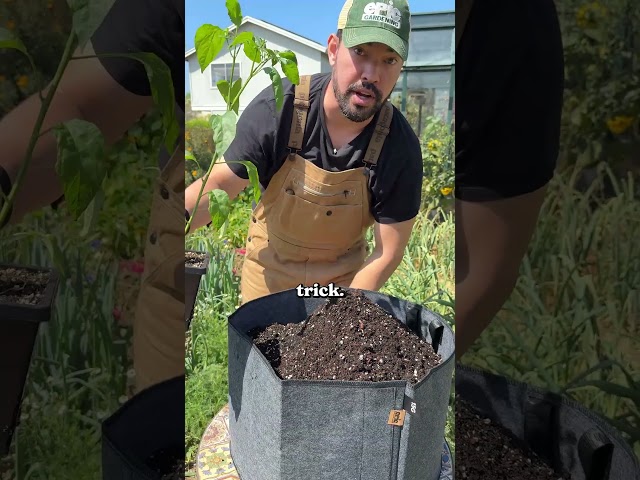
Gardening: Yes, Dirt Counts as Self-Care
Gardening is one of those hobbies that looks quaint from the outside and then quietly becomes a personality trait. You start with one basil plant and suddenly you are comparing soil pH levels like a suburban wizard. But beyond the aesthetic appeal, gardening is genuinely good for you.
Digging, planting, pruning, and watering all count as movement, which is already more useful than pretending a fancy smartwatch will save your fitness goals. Gardening gets you outside, exposes you to sunlight, and gives your brain something tangible to focus on. Plants do not care about your inbox, your group chat drama, or the fact that you forgot to answer that email from three days ago. They just need water and a little attention. Honestly, same.
If you are new to it, keep it simple:
- Start with easy wins like herbs, succulents, or hardy flowers.
- Use containers if you do not have a yard or if your balcony is more “decorative ledge” than outdoor space.
- Water on a schedule instead of waiting for vibes.
- Accept that some plants will die. Nature is humbling, and apparently so are tomatoes.
There is also something deeply satisfying about watching a living thing thrive because you remembered to care for it. That’s not just gardening. That’s a tiny, beautiful rebellion against the general mess of modern life.
Fitness That Does Not Require a Personality Overhaul
Fitness culture loves to act like you need a complete identity transformation to move your body. New leggings, new playlist, new era. But the truth is much less dramatic: the best fitness routine is the one you will actually do more than twice before ghosting it forever.
That means walking, stretching, dancing in your kitchen, lifting weights, biking to the store, or following a 20-minute workout video while silently judging the instructor’s impossible energy. Movement does not have to be extreme to matter. In fact, consistency beats intensity more often than not, which is annoying, but also freeing. You do not need to punish yourself into health.
A sustainable routine might look like this:
- Daily movement: A walk after lunch, a stretch before bed, or taking the long route on purpose.
- Strength training: A few sessions a week to support muscle, bones, and the noble act of carrying groceries without complaint.
- Mobility work: Because your hips did not sign up to be that stiff.
- Rest days: Not laziness. Recovery. There is a difference, even if your inner overachiever disagrees.
The goal is not to become a wellness influencer with suspiciously clean countertops. The goal is to feel stronger, more capable, and less like your body is one awkward movement away from filing a formal complaint.
Home Care: The Unsexy Backbone of Feeling Good
Let’s talk about the wildly underrated role of home care in wellness. A messy space is not a moral failure, but it can absolutely make life feel heavier. You know that low-grade stress when the sink is full, the laundry is multiplying, and every flat surface has become a temporary storage unit? That’s not just clutter. That’s background noise for your nervous system.
Taking care of your home does not mean becoming a minimalist monk with matching storage bins. It means keeping your environment functional enough that it supports you instead of draining you. Basic maintenance matters more than people admit.
Try focusing on the boring stuff that makes a real difference:
- Wash dishes before they become a fossil record.
- Change bedding regularly because sleeping in fresh sheets is one of life’s most underrated luxuries.
- Vacuum or sweep high-traffic areas before dust starts building a permanent residence.
- Open windows when possible to let in fresh air and a sense of being alive.
- Do small resets daily so the whole house does not become a weekend punishment project.
There is also a wellness angle hiding in all this: cleaning and organizing can create a sense of control when the rest of life feels like a group project nobody is leading. A tidy-ish home does not fix everything, but it does reduce the number of tiny annoyances that pile up and ruin your mood before noon.
Food, Water, Sleep: The Boring Trio That Keeps Winning
Everyday wellness gets a lot fancier in marketing than it does in real life. The truth is that your body mostly wants the classics: enough water, enough sleep, and food that does not leave you vibrating with regret an hour later.
Hydration is not revolutionary, but it matters. Keep a water bottle nearby and actually use it. Sleep is similarly unglamorous and deeply important. No, staying up until 2 a.m. doomscrolling does not count as self-care just because you are technically alone and horizontal.
And food? You do not need to turn every meal into a nutrition thesis. Aim for meals that include some protein, some fiber, some color, and enough satisfaction that you are not raiding the pantry five minutes later like a raccoon with a calendar invite.
If you want to make it easier, work with habits instead of against them:
- Prep a few staples you actually like.
- Keep easy snacks around for the moments when you are suddenly starving and irrational.
- Set a bedtime routine that tells your brain to stop acting brand new at midnight.
- Eat regularly enough that your mood does not become hostage to your blood sugar.
It is not sexy, but it is effective. Wellness is often just giving your body fewer reasons to revolt.
Mental Reset Moments Matter Too
Not every wellness practice has to be visible. Some of the most useful ones are the quiet resets that help your mind stop spinning like a broken browser tab. A five-minute pause. A walk without a podcast. Sitting with your coffee before the day starts demanding things from you. These tiny moments are not indulgent; they are maintenance.
People love to pretend that mental wellness requires a dramatic overhaul, but often it starts with noticing what pulls you off balance. Maybe it is too much screen time. Maybe it is saying yes when you mean absolutely not. Maybe it is ignoring burnout until your body starts sending out warning flares.
Try building in a few habits that help your mind exhale:
- Write down what is actually urgent instead of letting everything scream at you at once.
- Take breaks without calling them “earned” or “deserved” like you need a permission slip.
- Spend time in green spaces if you can — parks, yards, gardens, anywhere with fewer fluorescent lights and more oxygen.
- Protect a little quiet each day, even if it is just while the kettle boils.
Wellness does not have to be aspirational in the glossy-magazine sense. Sometimes it is just creating enough calm that you can think clearly and not spiral because someone used the last clean mug.
Bringing It All Together Without Making It a Whole Thing
The best everyday wellness routines are the ones that fit inside your actual life, not the fantasy version where you have unlimited time, endless motivation, and a suspiciously serene kitchen. Gardening, fitness, home care, and basic self-maintenance all work best when they are treated like part of living, not a performance.
You do not need to optimize everything. In fact, please do not. That road leads to expensive gadgets, overly ambitious routines, and a weird amount of guilt. Start smaller. Water one plant. Take one walk. Fold one basket of laundry. Eat lunch before you become feral. These tiny acts stack up, and over time they create a life that feels a lot more manageable.
Wellness is not about becoming perfect. It is about being a little more intentional with the ordinary parts of your day. That’s it. No wellness chalice required.