
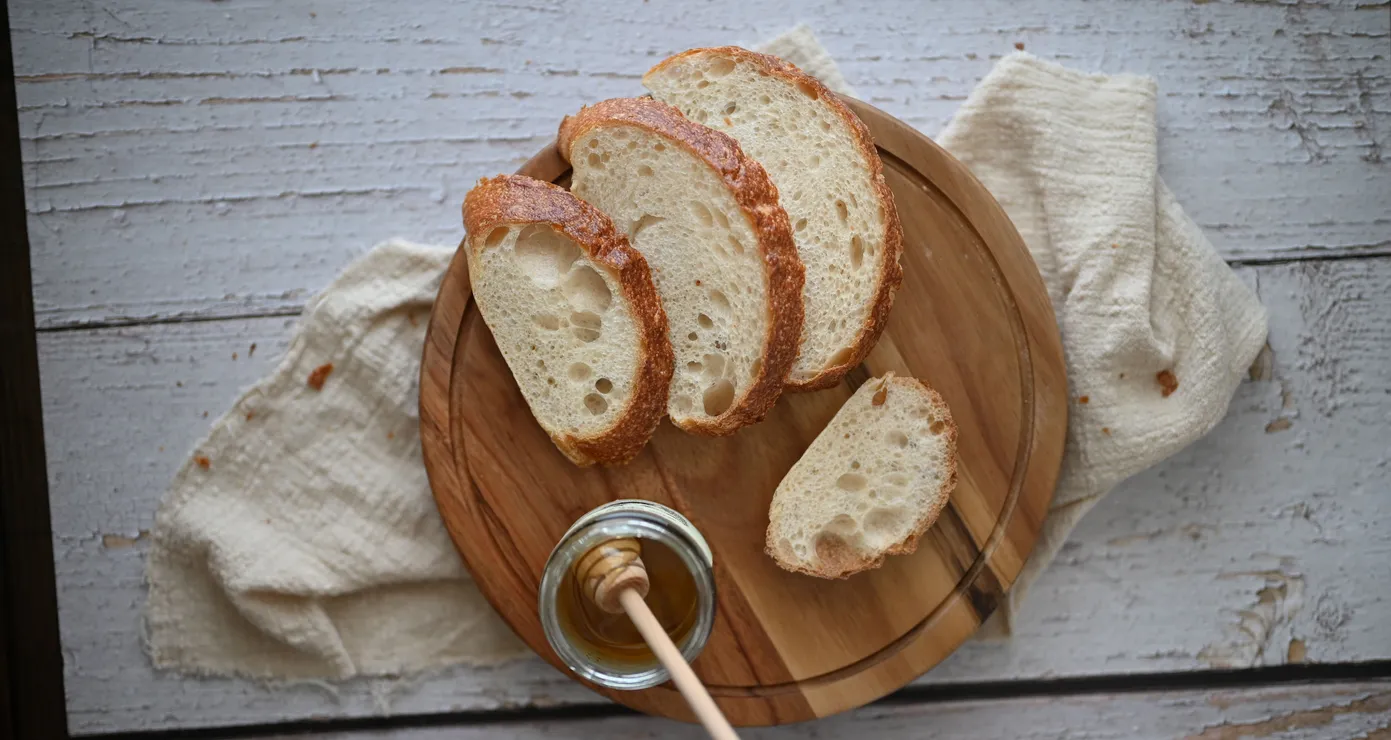
If 2020 taught us anything, it’s that the internet can turn almost anything into a personality trait — sourdough starters, whipped coffee, banana bread, you name it. But making your own bread at home isn’t just a pandemic-era plot twist that faded out like a one-hit wonder. It’s one of those strangely satisfying skills that sticks around, like a favorite comfort movie you can rewatch forever. There’s something wildly satisfying about pulling a golden loaf from your oven and realizing, I made this. Not a celebrity chef. Not a pricey bakery. You.
And honestly, homemade bread has main-character energy. The smell alone can make your kitchen feel like a scene from a cozy indie film, with soft music playing in the background and a cat judging your kneading technique from the counter. It’s warm, it’s rustic, and it makes even a basic Tuesday feel a little more cinematic.
Why baking bread at home still hits different
Store-bought bread has its place, sure. It’s convenient, reliable, and shows up when you need it. But homemade bread has flavor and texture that can’t be faked. The crust is crisp, the crumb is soft, and the whole loaf tastes fresher because, well, it literally is. You also control what goes in it, which means fewer mystery ingredients and more room for creativity.
There’s also the emotional side of it. Baking bread slows things down in a world that keeps asking us to multitask like we’re in a superhero movie. You’re mixing, waiting, kneading, proofing. It’s almost meditative. The process demands patience, and in return, it gives you something deeply rewarding. That’s not just baking; that’s self-care with carbs.
And let’s be real: serving homemade bread has social currency. Bring a fresh loaf to a dinner party and suddenly you’re the person everyone wants to know. It’s giving cozy domestic goddess, it’s giving “I have my life together,” even if your dishwasher is full and your laundry is doing its own thing.
What you actually need to get started
The good news? You do not need a kitchen decked out like a Michelin-star fantasy. In fact, basic bread often asks for just a handful of ingredients:
- Flour – all-purpose works well for beginners, while bread flour gives extra chew.
- Water – the quiet MVP.
- Yeast – the tiny powerhouse that makes everything rise.
- Salt – essential for flavor.
- Optional fat or sweetener – think butter, olive oil, honey, or sugar, depending on the style.
That’s it. No wizardry. No secret handshake. If you have a bowl, a spoon, and an oven, you’re already halfway to bakery status. A kitchen scale helps for accuracy, but if you’re starting out, cups and spoons can still get the job done.
You’ll also want a clean surface for kneading and a way to let the dough rise. A lightly oiled bowl, plastic wrap, or a damp towel can all work. Bread baking is surprisingly forgiving, which is part of its charm. It’s less Project Runway elimination round and more “let’s make this work.”
The easiest loaf to start with
If you’ve never baked bread before, start simple. A basic sandwich loaf or a rustic no-knead loaf is a great entry point. The no-knead method especially feels like a cheat code — minimal effort, maximum payoff. It’s the baking equivalent of finding a perfect vintage jacket in the clearance rack.
Here’s the general vibe of a beginner loaf:
- Mix flour, water, yeast, and salt until a shaggy dough forms.
- Let it rest so the flour hydrates and the yeast wakes up.
- Knead a bit, or let time do the heavy lifting if you’re using a no-knead recipe.
- Let the dough rise until it doubles in size.
- Shape it, let it rise again, then bake until golden brown.
The magic is in the waiting. Bread dough needs time to develop structure and flavor. Think of it like a slow-burn romance in a rom-com: the payoff is better because the tension was worth it.
Kneading, rising, and other bread drama
Kneading sounds intimidating, but it’s really just a way of developing gluten, the protein network that gives bread structure. If you’ve ever watched a cooking montage in a movie where someone slaps dough dramatically on a counter, yes, that energy is real. But you don’t need to go full dramatic lead to do it right.
To knead, push the dough away with the heel of your hand, fold it back over itself, turn it, and repeat. After a few minutes, it should feel smoother and more elastic. If the dough is sticky, add a tiny bit of flour. If it feels dry and tough, add a little water. Bread is about reading the room.
Rising is where yeast does its thing. It feeds on sugars and releases gas, which expands the dough. A warm, draft-free spot is ideal. If your kitchen is chilly, try placing the dough in an oven that’s turned off but has the light on, or near a warm appliance. Just don’t overdo the heat, or you’ll send the yeast into a chaos spiral.
Once the dough has risen, punch it down gently. Yes, that sounds aggressive, but it’s mostly about releasing excess gas and redistributing the yeast. Then shape it and let it rise again. That second rise helps create a better texture and lighter loaf.
Flavor upgrades that feel very now
Once you’ve made the basic loaf, the bread world opens up like the season finale of your favorite streaming show. Suddenly you’re not just baking bread; you’re curating an experience.
Try adding herbs like rosemary or thyme for a savory, bakery-style loaf. Swirl in cinnamon and raisins for something more brunch-core. Mix in shredded cheese, olives, or garlic if you want a loaf that practically demands to be served with soup. Seeds like sesame, sunflower, or poppy add texture and a little visual drama. You can even finish the top with flaky salt or a brush of butter for that glossy, irresistible look.
Whole grains, rye, and spelt can also give your bread more depth. Just remember that different flours absorb water differently, so you may need to adjust the hydration. Bread baking is part science, part intuition, and part “trust the process.”
Common mistakes and how to dodge them
Even the most promising loaf can go sideways sometimes. Maybe it’s dense, maybe it doesn’t rise, maybe it comes out looking like it lost an argument with the oven. That’s normal. Bread is a teacher, and sometimes it’s a brutal one.
- Too much flour – the dough can become dry and heavy. Add flour gradually.
- Old yeast – if the yeast is inactive, your bread won’t rise. Check the expiration date.
- Underproofing – if the dough hasn’t risen enough, the loaf may be dense.
- Overproofing – too much rise can cause the dough to collapse.
- Undercooking – a pale loaf might look cute, but it won’t taste right.
If you’re unsure whether bread is done, tap the bottom of the loaf. It should sound hollow. You can also use a thermometer; many loaves are finished when the internal temperature reaches around 190°F to 210°F depending on the style.
And if your first loaf isn’t perfect? That’s not a flop, that’s content. Every baker has a few “learning experience” loaves in their past. Even the pros have off days. The difference is that yours still tastes good with butter.
How to make bread part of your routine
Once you’ve got the hang of it, baking bread can become part of a weekly rhythm. Some people like to mix dough in the evening, let it rise overnight, and bake the next day. Others do a Sunday baking session and coast through the week with toast, sandwiches, and French toast on standby.
There’s also a practical payoff. Homemade bread freezes beautifully, so you can slice and store extra loaves for later. A fresh loaf can turn into toast, croutons, breadcrumbs, garlic bread, or the base of a killer grilled cheese. It’s giving versatility. It’s giving utility. It’s giving three meals, one loaf.
If you’re the type who likes ritual, bread baking can become your version of a reset button. Measure, mix, wait, shape, bake, repeat. It’s grounding in a way that a lot of modern life isn’t. In a world where everything moves at algorithm speed, bread asks you to slow down and be present. Somehow, that makes the final slice taste even better.
Why the homemade loaf never really goes out of style
Bread is one of those timeless foods that keeps reinventing itself without losing its soul. From sourdough obsessives posting crumb shots on social media to busy home cooks just trying to make a decent sandwich loaf, the appeal is universal. It’s humble, affordable, and endlessly customizable. It can be rustic or polished, simple or fancy, weekday or holiday.
And maybe that’s why homemade bread feels so satisfying. It’s not about perfection. It’s about creating something real with your own hands — something warm, useful, and delicious. In a culture obsessed with instant everything, bread reminds us that some of the best things still take time. That’s not old-fashioned. That’s iconic.
So if your kitchen has been waiting for its glow-up, this is your cue. Get the flour out, wake up the yeast, and make your bread at home. Your future self, standing in front of the toaster in pajamas at 8 a.m., will absolutely thank you.