

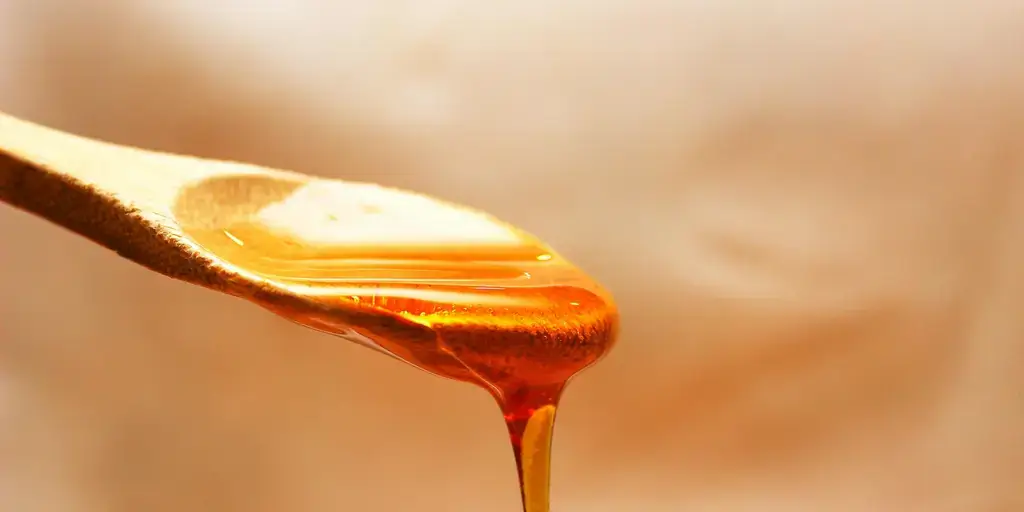
Honey has long been valued as a natural source of sweetness, but it is also gaining attention as a practical fuel for active lifestyles. For people who train regularly, whether that means brisk walking, gym sessions, cycling, running, or recreational sports, the way the body uses energy before, during, and after exercise matters a great deal. Honey supplementation fits neatly into that conversation because it provides easily available carbohydrates along with trace compounds that make it more than just a simple sugar source.
At its core, exercise demands energy. Muscles rely heavily on glucose and stored glycogen during activity, especially when the intensity rises or the workout lasts longer than a short burst. Honey contains a mix of glucose and fructose, which can be absorbed and used in different ways by the body. That combination is one reason it has become popular among athletes who want a natural option for quick energy. Unlike highly processed sports gels, honey offers a familiar food-based alternative that can be used before workouts, during endurance sessions, or after training to support recovery.
Why honey appeals to active people
One of the biggest reasons honey is attractive in exercise nutrition is its convenience. It is easy to store, portable, and versatile. A spoonful before a workout, a drizzle in yogurt, or a small packet carried on a long run can be enough to supply carbohydrates when needed. Honey also tends to be well accepted by many people because of its smooth texture and pleasant taste. For those who struggle with artificial flavors or heavily processed supplements, honey offers a simple and recognizable option.
Another factor is its carbohydrate profile. During exercise, especially prolonged endurance work, the body benefits from a steady supply of carbohydrates to maintain blood sugar and delay fatigue. Honey can help meet that need. Because it contains both glucose and fructose, it may support absorption pathways that differ from those used by glucose alone. In practical terms, that can mean a more flexible energy source during physical activity.
Honey also has a reputation for being a natural food rather than a manufactured product. That distinction matters to many wellness-minded consumers. People often prefer supplements that feel closer to whole foods, and honey fits that preference. While it is still important to remember that honey is concentrated sugar and should be used thoughtfully, it can be a useful part of an exercise nutrition plan when portion sizes are appropriate.
Honey before exercise
Taking honey before exercise may help provide a quick source of energy, particularly if a workout is scheduled after a long gap since the last meal. In this context, honey can be useful for topping up carbohydrate availability without feeling too heavy in the stomach. A small amount consumed 15 to 30 minutes before activity may help some people feel more energized, especially before moderate to intense sessions.
For morning exercisers, honey can be especially practical. Not everyone wants a large breakfast before moving, and some people prefer to train on a lighter stomach. A piece of toast with honey, a small bowl of oats with honey, or even honey mixed into a smoothie can offer a manageable pre-workout boost. The key is to keep portions modest and test tolerance during training rather than on an important race day.
People vary widely in how they respond to pre-exercise food. Some can handle honey easily, while others may need more time between eating and moving. The best approach is usually personal experimentation. If honey sits well and does not cause digestive discomfort, it may serve as a reliable pre-workout carbohydrate source.
Honey during longer workouts
For workouts that last longer than an hour, especially endurance-based activities, consuming carbohydrates during exercise can support performance. Honey may be useful here because it is compact and easy to portion. Athletes often look for sources that can be taken in small amounts without requiring much chewing or preparation. Honey can be carried in squeeze packets, mixed into hydration solutions, or paired with other carbohydrates.
When exercise duration increases, maintaining carbohydrate availability becomes more important. This is particularly true for runners, cyclists, hikers, and team-sport athletes who spend extended periods moving. Honey can help stabilize energy levels, which may reduce the feeling of sudden fatigue. It is not a miracle fuel, but it can contribute to a more consistent performance experience when used in the right context.
Some people create simple homemade sports fuels with honey, salt, and water. This approach can be appealing because it is affordable and customizable. The addition of a small amount of sodium may improve taste and help replace minerals lost through sweat. However, anyone trying a homemade formula should test it first in training to make sure it works well with their stomach and hydration needs.
Honey after exercise and recovery
Recovery nutrition matters because exercise depletes muscle glycogen and places temporary stress on the body. After a workout, the body benefits from carbohydrates to replenish energy stores, along with protein to support muscle repair. Honey can be part of that recovery process because it provides quick-digesting carbohydrates that help restore glycogen, especially when combined with other nutrients.
A recovery snack might include Greek yogurt with honey and fruit, a peanut butter and honey sandwich, or oatmeal topped with honey and nuts. These combinations offer a more balanced nutrient profile than honey alone. The carbohydrates in honey may help accelerate refueling, while protein and healthy fats create a more satisfying meal. For athletes training more than once a day, timing becomes particularly important, and honey can be an easy way to add fast carbohydrates soon after exercise.
It is worth noting that recovery is not only about the muscles. The nervous system, hydration status, and overall energy balance also matter. Honey can contribute calories and carbohydrate quickly, but it works best as part of a broader recovery strategy that includes fluids, electrolytes if needed, and enough total food intake across the day.
Potential performance benefits
Research on honey and exercise has explored several possible benefits, with the most consistent being its role as a carbohydrate source. Since carbohydrates are a well-established fuel for exercise performance, honey may help support endurance, reduce perceived effort in some situations, and maintain energy availability. Its natural sweetness also makes it easy to consume in small amounts when appetite is low, which can happen during or after training.
Some studies have examined honey alongside other carbohydrate products and found that it can perform comparably in certain settings. That does not mean honey is universally superior, but it suggests it can be a credible option for athletes and active individuals looking for practical energy support. Because exercise nutrition is highly individual, the best fuel is often the one that is tolerated well, tastes good, and fits into a routine consistently.
Honey may also be helpful because it encourages adherence. A supplement only works if a person uses it regularly and appropriately. Since honey is familiar, enjoyable, and easy to include in everyday eating, it may be more sustainable for some people than specialized supplements. Sustainability in sports nutrition often matters just as much as laboratory theory.
Honey versus other exercise fuels
Compared with commercial sports gels or chews, honey has several strengths. It is often cheaper, more widely available, and less processed. It can also be used in many different ways, from straight spoonfuls to recipe ingredients. On the other hand, commercial sports products are usually designed for specific carbohydrate ratios, quick absorption, and easy transport. That means honey is not always a perfect substitute.
If someone is doing a very long event or competing at a high level, a carefully formulated sports fuel may be more predictable. Honey can still play a role, but it may not be as convenient in every situation. For casual exercisers and many recreational athletes, however, honey can be a very practical option. The best choice depends on workout length, intensity, digestive tolerance, and personal preference.
Honey also differs from other natural carbohydrate sources such as maple syrup or fruit purees. Each has a different taste, texture, and carbohydrate composition. Honey tends to be denser and sweeter, which can be helpful in small doses. Some athletes appreciate its familiarity, while others prefer the flavor variety of different natural fuels. There is no single correct answer; the point is to find a source that supports the session without causing discomfort.
How to use honey wisely around workouts
Because honey is calorie-dense, portion control matters. It is easy to consume more than intended because it tastes good and feels light. For exercise use, small amounts are often enough. A tablespoon contains a meaningful amount of carbohydrates, so even modest servings can be effective. Using too much may lead to unnecessary calories or digestive upset, especially if paired with other sugary foods.
It is also wise to consider the type of workout. A short strength session may not require much extra carbohydrate unless the person has not eaten for several hours. In contrast, a long run or intense cycling session may benefit from regular carbohydrate intake. Matching honey use to the exercise demand helps make supplementation more effective.
Hydration should not be overlooked. Honey is not a substitute for fluids, and concentrated sugars can feel heavy if water intake is too low. When honey is used during or after exercise, pairing it with adequate water can improve comfort and absorption. If the workout involves heavy sweating, electrolytes may also be useful.
Who may benefit most
Honey supplementation may be especially useful for endurance athletes, busy recreational exercisers, and anyone who wants an easy pre- or post-workout carbohydrate source. Morning trainers often appreciate how quickly it can be added to a light snack. People who prefer natural foods may also find it more appealing than manufactured sports products.
That said, honey is not for everyone in every circumstance. People with diabetes or blood sugar concerns should be cautious and follow individualized medical guidance. Those with digestive sensitivities may need to test tolerance carefully. Children, pregnant individuals, and people with specific health conditions should also consider professional advice before using honey strategically around exercise.
As with any supplement, context matters. The right amount for one person may be too much or too little for another. The goal is not to add honey because it sounds healthy, but to use it in a way that genuinely supports training, recovery, and overall diet quality.
Practical ways to include honey
There are many simple ways to make honey part of an active routine:
- Mix a spoonful into oatmeal before a morning workout.
- Spread it on toast for a quick pre-exercise snack.
- Stir it into yogurt with fruit after training.
- Blend it into a smoothie for recovery.
- Use it in homemade energy bites or bars.
- Combine it with water and a pinch of salt for a basic training drink.
These approaches work best when the rest of the diet is also balanced. Honey should complement meals that include protein, fiber, and a variety of micronutrients. It can make a healthy routine easier to sustain, but it should not replace the broader nutritional foundation needed for performance and general wellness.
Quality and storage considerations
When selecting honey, quality can vary. Raw or minimally processed honey is often preferred by people looking for a more natural product, though pasteurized versions are also common and safe for most adults. Flavor, texture, and crystallization may differ from jar to jar. These differences usually do not change the basic carbohydrate value much, but they can affect how enjoyable the product is to use.
Storage is simple. Honey keeps well at room temperature in a tightly sealed container, away from excessive heat and moisture. If it crystallizes, gentle warming can return it to a smoother state. That convenience is part of its appeal for exercise nutrition, since it remains usable without refrigeration and travels easily in a bag or pantry.
A balanced perspective
Honey supplementation and exercise make sense together because honey provides fast, accessible carbohydrates in a format many people enjoy. It can support pre-workout energy, endurance fueling, and recovery refueling when used appropriately. Its natural appeal, versatility, and wide availability make it a practical option for both casual exercisers and athletes.
Still, honey is only one tool. Its benefits depend on timing, amount, workout demands, and how well it fits into the broader diet. It is best seen as a helpful food-based carbohydrate source rather than a special performance enhancer. When used thoughtfully, it can be a simple and effective way to support active living.
For many people, that is the real value of honey in exercise nutrition: not complexity, but consistency. A food that tastes good, travels well, and delivers usable energy can make healthy movement easier to maintain. In that sense, honey earns its place in the gym bag, kitchen, and recovery routine alike.