

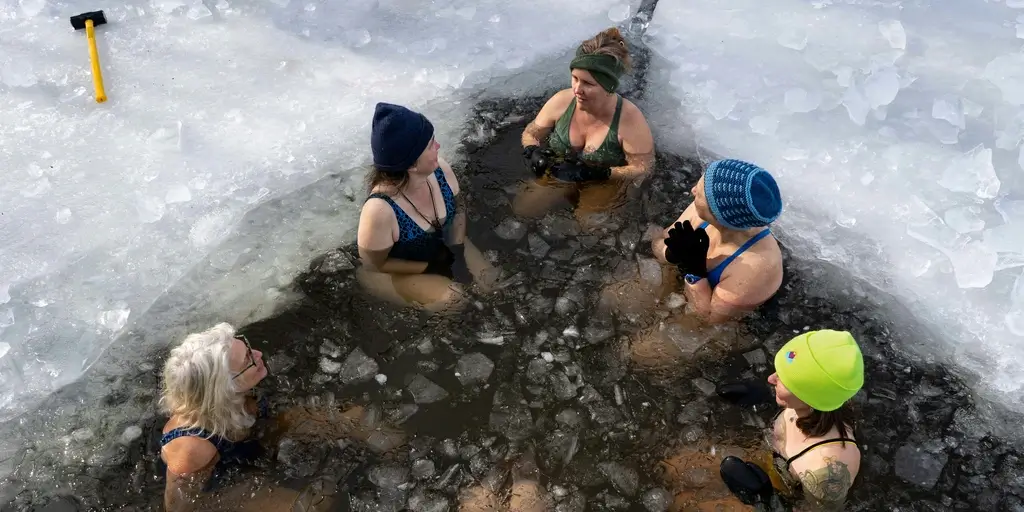
Menopause can feel like a season of change that asks a lot from the body and mind. Hot flashes, sleep disruptions, mood shifts, and a general sense of being less resilient can make even familiar routines feel different. In the search for gentle, supportive practices, cold water immersion has gained attention for its potential to help regulate stress, improve circulation, and create a refreshing sense of clarity.
For some women, the idea of stepping into cold water sounds intimidating at first. Yet when approached slowly and mindfully, it may become a grounding ritual rather than a test of endurance. The practice does not need to be extreme to be meaningful. Even brief exposure to cool water, a cold rinse at the end of a shower, or a carefully guided plunge can offer benefits that feel both physical and emotional.
Why cold water immersion is being explored during menopause
During menopause, the body’s hormone shifts can influence temperature regulation, sleep quality, mood, and energy levels. Estrogen and progesterone changes may affect how the nervous system responds to stress and how the body manages heat. Because of this, many women look for practices that support nervous system balance without adding pressure or complexity.
Cold water immersion is one such practice. It may help create a brief, controlled stress response that can teach the body to adapt more gracefully. While it is not a cure for menopausal symptoms, it can be part of a broader wellness routine that includes movement, rest, nutrition, and emotional support.
Possible benefits for temperature regulation and hot flashes
One of the most talked-about challenges in menopause is the hot flash. These sudden waves of heat can be uncomfortable, disruptive, and sometimes embarrassing. Cold water immersion does not eliminate hot flashes, but it may help some women feel more in control of their body’s temperature fluctuations.
Cool water can offer immediate relief after a hot flash or during a moment of overheating. Some women find that a short cold shower or a dip in cool water helps reset their system and leaves them feeling more settled. The practice may also encourage a stronger awareness of body signals, making it easier to notice when rest, hydration, or cooling support is needed.
Helpful approaches may include:
- Ending a shower with 15 to 30 seconds of cool water
- Using a cool foot bath on warm days
- Taking a brief cold plunge only under safe, guided conditions
- Pairing cold exposure with slow breathing to reduce tension
Supporting mood and emotional steadiness
Menopause can bring emotional ups and downs that feel surprising and difficult to predict. Irritability, anxiety, low mood, or a sense of feeling “off” can show up even in women who have never experienced significant mood changes before. Because cold water immersion activates the body in a strong but temporary way, it may help some people feel more awake, focused, and emotionally reset.
There is also something deeply symbolic about choosing to meet discomfort with calm presence. When approached gently, cold water immersion can become a practice in self-trust. The mind learns that a sensation may be intense without being dangerous, and that a steady breath can make a challenging moment more manageable.
Many women describe feeling a sense of accomplishment after cold exposure. That feeling can matter during menopause, when confidence in one’s body may be shaken. Small, intentional experiences of resilience can support a more grounded emotional landscape.
Nervous system benefits and stress resilience
The nervous system often plays a central role in how menopause is experienced. Sleep interruptions, stress sensitivity, and physical discomfort can all leave a woman feeling more reactive and less rested. Cold water immersion may help train the nervous system to recover more efficiently after stress.
When the body meets cold water, it responds quickly. Heart rate may rise, breathing may change, and alertness increases. If the exposure is brief and done safely, the body then has a chance to return to baseline. This cycle can support resilience, much like a gentle workout for the stress response.
Over time, some women find that this practice encourages a stronger connection between breath, body, and emotional regulation. The key is not forcing the experience, but allowing it to remain small, manageable, and respectful of individual limits.
Circulation, inflammation, and physical recovery
Cold exposure is often associated with improved circulation. When the body encounters cold water, blood vessels constrict and then reopen during rewarming, creating a pumping effect that may help move blood more efficiently. Some women appreciate this sensation as a way to feel more energized and alert.
There is also interest in cold water immersion for its potential to ease soreness and support recovery after exercise. For women navigating menopause, physical recovery can sometimes feel slower or less predictable than before. If cold exposure helps reduce the feeling of heaviness or fatigue after movement, it may become a useful complement to walking, strength training, yoga, or other regular activity.
That said, the body during menopause can be more sensitive in certain ways, and what feels refreshing for one person may feel stressful for another. The goal is to notice the body’s response with curiosity rather than assumption.
Sleep quality and evening routines
Sleep changes are among the most common and frustrating menopause symptoms. Night sweats, waking at odd hours, and difficulty falling back asleep can leave the entire day feeling less supported. Cold water immersion is not a direct sleep treatment, but it may contribute to a more restful evening routine for some women.
A brief cool shower earlier in the day can be energizing without overstimulating the body late at night. For others, a cool rinse after exercise or a refreshing face splash may help lower the sense of internal heat that can linger into the evening. The important detail is timing: cold exposure is often best used in a way that feels regulating rather than jarring.
If sleep is a major concern, it may help to pair cold water practices with other calming cues such as dim lights, a consistent bedtime, gentle stretching, and slow breathing. A single habit rarely transforms sleep on its own, but small rhythms can create a more restful environment.
A mindful practice, not a performance
One of the healthiest ways to approach cold water immersion during menopause is to treat it as a mindful ritual rather than a challenge to conquer. Wellness practices are most supportive when they feel sustainable. There is no need to push through pain, compare experiences, or force a dramatic plunge in order to gain benefits.
A gentle approach might look like this:
- Begin with cool, not icy, water
- Keep the first exposure brief
- Focus on steady breathing
- Notice sensations without judgment
- Warm up gradually afterward
It can help to ask, How does my body feel before, during, and after? The answer matters more than any trend or rule. If the practice leaves you feeling more regulated, clear, and calm, it may be worth continuing. If it leaves you tense, shivering for too long, or depleted, the body may be asking for a softer option.
Who may want to avoid cold water immersion
Although cold water immersion can be supportive for some, it is not appropriate for everyone. Safety matters, especially during a time of life when the body may already be under strain. Women with certain heart conditions, uncontrolled blood pressure, Raynaud’s phenomenon, respiratory issues, or a history of fainting should speak with a healthcare professional before trying it.
It is also wise to be cautious if you feel run-down, dehydrated, ill, or emotionally overwhelmed. In those moments, restorative warmth, hydration, and rest may be more appropriate forms of care. Wellness should support the nervous system, not challenge it beyond its capacity.
Always consider professional guidance if you:
- Have cardiovascular disease or risk factors
- Experience fainting or dizziness
- Are managing a chronic medical condition
- Feel anxious around cold exposure
- Are unsure whether it is safe for your body
How to start gently and safely
If you are curious about trying cold water immersion, begin with small, manageable steps. A gradual approach allows the body to adapt and helps you learn what feels supportive. There is no benefit in rushing.
A simple starting routine could be:
- Finish a normal shower with cool water for 10 seconds.
- Stand or sit comfortably and focus on slow exhalations.
- Increase the duration only if it feels steady and tolerable.
- Warm up naturally afterward with movement, clothing, or a warm drink.
Some women like to pair the practice with a calming affirmation such as, I can be present with this sensation or I am supporting my body with care. These small cues can make the experience feel less like a test and more like a moment of self-connection.
Bringing it into a wider menopause wellness routine
Cold water immersion tends to work best when it is one part of a broader, compassionate lifestyle. Menopause often asks for a holistic response: nourishing food, strength-building movement, sleep support, stress care, and meaningful rest. In that context, cold exposure can be a refreshing tool rather than the center of the plan.
It may be especially helpful for women who enjoy sensory practices and who feel energized by clear, immediate body feedback. For others, a simpler approach such as cool compresses, breathwork, outdoor walks, or a consistent hydration routine may be just as supportive. The most effective wellness path is the one that feels realistic and kind.
As menopause unfolds, many women discover a deeper desire to live in closer partnership with the body rather than in resistance to it. Practices like cold water immersion can invite that shift. They remind us that discomfort can be approached with steadiness, that the body is adaptable, and that small rituals can carry real meaning.
When used thoughtfully, cold water immersion may offer more than a temporary jolt. It can become a quiet practice of presence: a way to meet change with breath, to support resilience without force, and to honor the body as it moves through a new and evolving chapter.