


If you have ever looked into your pet’s eyes while explaining your day and felt, with a level of sincerity that would embarrass you in front of your therapist, that they actually get it, congratulations: you are not losing it. Or at least not more than the rest of us. The surprising reason your pet understands you better than most people is not that they secretly majored in emotional intelligence. It is that animals are absurdly good at reading the stuff humans keep pretending does not matter: tone, body language, routine, and energy. Meanwhile, people are over here sending passive-aggressive texts and calling it communication. Cute.
Pets do not need a ten-minute preface, a disclaimer, and three follow-up messages to know something is off. Your dog can tell when your voice is one notch tighter than usual. Your cat knows when you are spiraling and has decided, as always, that your crisis is a lighting issue. This is not magic. It is pattern recognition. Animals are constantly scanning their environment for safety, food, mood shifts, and changes in routine, which means they become highly tuned to the tiny signals humans leak all over the place.
They are fluent in the language you keep ignoring
People like to think communication is mostly words. It is not. A huge chunk of what we communicate comes through posture, facial expression, movement, and the vibe you are radiating while pretending everything is fine. Pets are basically experts in this unspoken layer of human behavior. They notice when your shoulders are tense, when you move faster than usual, when your breathing changes, or when you are walking around your apartment like you are starring in a low-budget breakup movie.
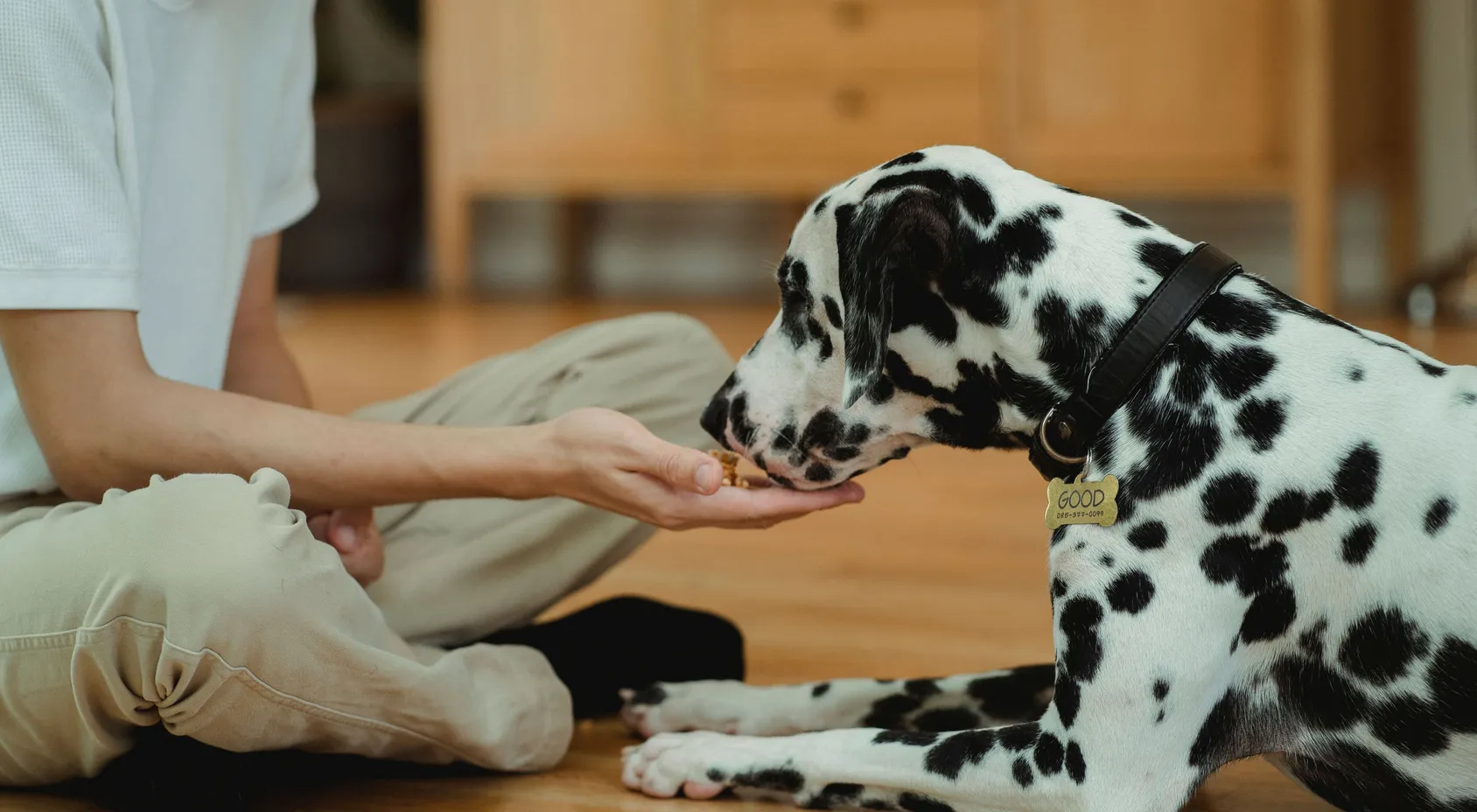
Dogs, especially, are very good at linking your emotional state to what happens next. If your voice gets sharper before the vacuum comes out, they learn that sharp voice means bad news. If you get cheerful in the kitchen before treats appear, they learn that cheerful human equals snack possibility. Honestly, they are not just understanding you; they are running a highly efficient emotional spreadsheet.
Cats, for their part, are often miscast as aloof little aristocrats, but they are actually watching everything. They may not respond in the same obvious way dogs do, because they are not here to perform gratitude for your benefit. Still, many cats will seek closeness when their person is sick, upset, or acting weird in that vague human way that is somehow both dramatic and inconvenient.
Routine is their love language, and yours too, whether you admit it or not
One reason pets seem to understand us so well is that they live inside our routines. They know when you wake up, when you usually feed them, what your pre-work pacing looks like, and whether you are the kind of person who talks to the coffee machine. They have an uncanny grasp of your daily rhythm because they depend on it. But they also start to associate certain parts of that rhythm with your emotional states.
Maybe your dog gets extra attentive when you put on your work shoes because that usually means you are about to leave and your face gets sad for half a second. Maybe your cat appears the moment you sit down with your laptop because they know that means you are about to ignore them for six hours and they plan to make a formal complaint. Either way, they are learning you through repetition, not assumptions. Which, honestly, is more than some humans manage after years of friendship.
They are not judging your feelings. They are responding to them
Here is the part that stings a little: pets do not need you to explain your emotions perfectly in order to respond appropriately. They are not waiting for you to label your feelings with the correct vocabulary or present your pain in a neat, emotionally mature package. They are reacting to the reality of what is happening in front of them.
If you are crying, your pet does not ask, “But what exactly triggered this?” They come closer. If you are agitated, they may give you space. If you are sick, they may hover, nudge, or lie near you like a furry little emergency blanket. Some animals are more affectionate, some are more cautious, but the point is the same: they respond to your state without making it about themselves. A stunning concept, frankly.
This is part of why pets can feel more emotionally available than people. Humans are busy filtering everything through ego, insecurity, and the need to be right. Pets are not trying to win the argument. They are trying to understand whether the environment is safe and whether their person is okay. That difference matters.
They are ridiculously good at consistency
Another reason pets seem to understand us so well is that they are consistent observers. They do not forget the way your face looks when you are stressed because they saw it once at brunch three months ago. They are not distracted by their own notifications, group chats, and the emotional theater of modern life. They are paying attention in a way most humans simply are not.
This makes their understanding feel almost eerie. You can have the kind of day where you say, “I’m fine,” in the same tone that suggests you are absolutely not fine, and your pet immediately clocks it. They are not being nosy. They are just not lying to themselves the way we do.
That also means your pet can become a mirror. They reflect your habits, your stress, your energy, and your consistency. If you are calm, they often settle. If you are frantic, they may become restless. If you are gentle and predictable, they usually feel safer. It is less mystical bond and more mutual regulation, which is maybe less romantic but definitely more useful.
So yes, your pet probably gets you
No, your pet does not understand your childhood trauma in the same way a trained therapist might. They are not out here unpacking attachment styles over brunch. But they do understand the emotional weather system of your life better than most people do. They know your patterns. They notice your shifts. They react to your moods without making you audition for sympathy.
And maybe that is why being around them feels so good. Pets offer something many humans are weirdly bad at: attention without agenda. They watch, they learn, they respond, and they stay in the moment with you. In a world full of people half-listening while thinking about their own problems, that kind of presence is basically luxury.
So the next time your dog nudges your hand when you are sad, or your cat decides to sit on your chest the exact moment your anxiety peaks, do not dismiss it as coincidence. Your pet is not just being cute. They are reading you with a level of precision that would make half your group chat look emotionally illiterate. And honestly? That is one of the most comforting things about them.