

When summer arrives in full force, it can feel like the world has been turned up a few degrees too high. Pavement shimmers, air conditioners hum, and our pets—wrapped in fur, feathers, or scales—move through the season in very different ways than we do. For them, heat is not just uncomfortable; it can quickly become dangerous. A walk that feels pleasant to us may be a scorching expedition for a dog’s paws, and a sunny windowsill that looks inviting might leave a cat overheated and listless.
Helping your pet stay cool is part common sense, part daily ritual, and part attentive observation. The good news is that a few thoughtful adjustments can make a world of difference. With the right habits, your home can become a cool refuge, your outings can stay safe, and your pet can enjoy the season without discomfort.
Know the warning signs before they become an emergency
Pets often hide discomfort until they can’t anymore, so it helps to know what heat stress looks like early. Heavy panting is one of the most obvious signs in dogs, but it may be accompanied by drooling, glazed eyes, weakness, wobbling, or a sudden refusal to move. Cats may become unusually quiet, seek cool surfaces, or breathe with more effort than usual. Birds can hold their wings away from the body, open their beaks, or appear unusually sleepy. Small mammals may become sluggish and stop eating.
Heatstroke can escalate quickly, and it is always an emergency. If your pet seems disoriented, collapses, vomits, or has bright red gums, seek veterinary help immediately. While you arrange care, move your pet to a cooler area and offer small amounts of water if they are able to drink. Avoid ice-cold water or an ice bath, which can shock the body; instead, use cool, damp towels and gentle airflow.
Make water the centerpiece of the day
In warm weather, hydration is the quiet hero of pet care. Fresh water should be available at all times, and in the hottest months it is wise to place bowls in more than one location so your pet never has to hunt for relief. Change the water often, especially if it sits in direct sun or gathers dust and debris.
Some pets drink more readily from moving water, so a pet fountain can be a welcome upgrade. Others may prefer a bowl with a wider opening, or even chilled water on especially sweltering afternoons. For dogs on the go, bring a collapsible travel bowl and offer frequent sips during outings. For cats, you can encourage drinking by placing bowls away from food dishes, since many felines prefer their water source to feel separate and fresh.
Hydration can also come through food. Wet food, broth made specifically for pets, and water-rich treats like small portions of cucumber or melon can help increase fluid intake, though treats should always be given in moderation and with your veterinarian’s guidance if your pet has dietary restrictions.
Adjust exercise to the rhythm of the day
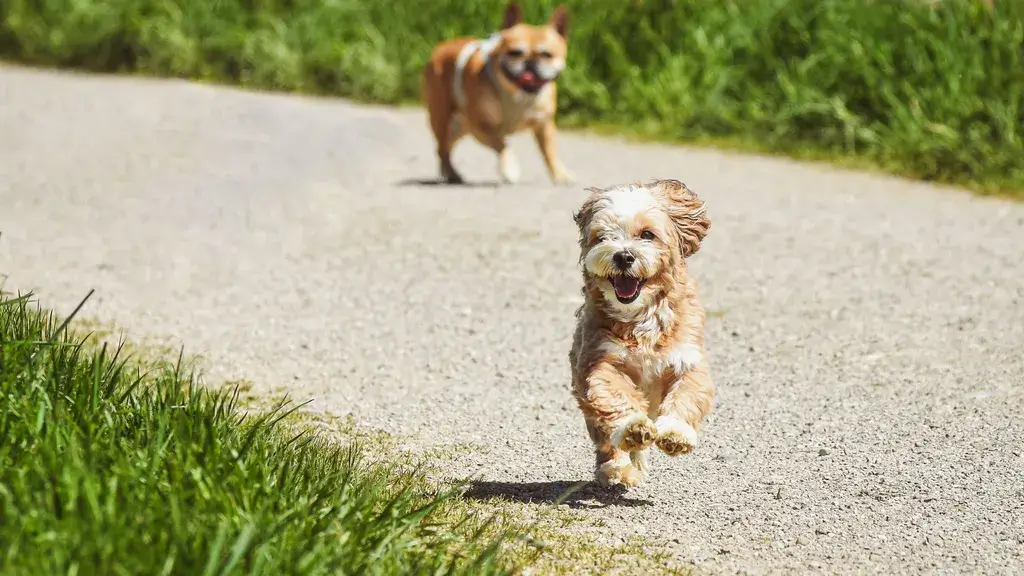
Summer exercise needs a new schedule. The heat of midday can turn a simple neighborhood stroll into a struggle, especially on pavement that stores and radiates warmth like a stove top. Early morning and late evening are often the safest windows for outdoor activity, when the sun is lower and surfaces have cooled.
Before heading out, place the back of your hand on the ground for seven seconds. If it feels too hot for you, it is too hot for your pet’s paws. Asphalt, concrete, sand, and even artificial turf can cause burns. On particularly hot days, consider skipping long walks entirely in favor of indoor play, puzzle toys, scent games, or short training sessions that keep the mind busy without overheating the body.
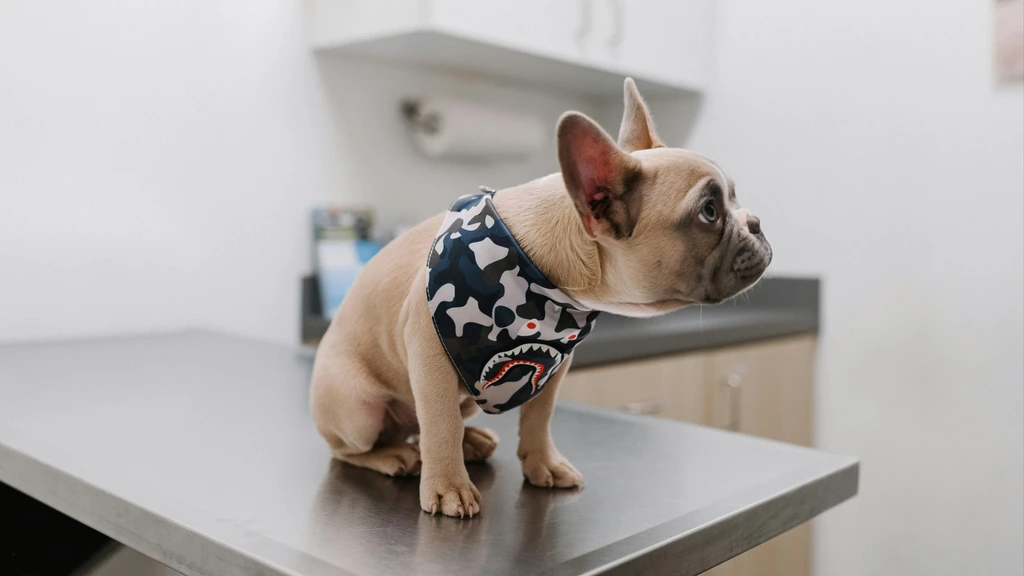
Breed, age, and health matter. Flat-faced dogs such as pugs, bulldogs, and boxers can struggle more in the heat because their breathing is less efficient. Senior pets, puppies, kittens, overweight animals, and pets with heart or respiratory conditions are also more vulnerable. For them, shorter outings and extra rest are essential.
Create cool zones at home
A pet’s favorite resting spot in summer should feel like a shaded oasis. Inside, keep curtains drawn during the hottest part of the day and use fans or air conditioning when possible. If you do not have air conditioning, a combination of fans, ventilation, and cool surfaces can help lower the temperature enough to make a significant difference.
Many pets gravitate toward tile floors, laundry room corners, or the spot under a table where the shade lingers. You can make these places even more inviting by offering a cooling mat, a damp towel, or a bed with breathable fabric. For dogs, frozen towels wrapped in a cloth can provide a safe place to lie beside rather than directly on. For cats, elevated perches near airflow or partially shaded spots can create a pleasant retreat.
Be mindful of windows. A room with direct sun can heat up rapidly, and a pet lounging in that glow may not realize they are getting too warm. Moving beds away from hot windows and ensuring there is always a cooler escape route helps pets regulate themselves more naturally.
Never leave pets in parked cars
This warning is so important it bears repeating: never leave a pet in a parked car, even for a minute. Temperatures inside vehicles can rise to deadly levels with astonishing speed, even when the weather feels merely warm outside. Cracking the windows does not make it safe. Running a quick errand is never worth the risk.
If you are traveling with a pet, plan every stop around their safety. Bring water, park in shaded areas when possible, and remember that the best option is often to leave your pet at home in a cool, supervised environment rather than taking them along for a trip that includes uncertain waits in the car.
Trim grooming with care, not overconfidence
It is tempting to think that less fur means less heat, but grooming is more nuanced than that. A pet’s coat can provide protection from sunburn and help regulate temperature. Shaving a double-coated dog too closely can interfere with this natural insulation and may even make them more prone to overheating or skin irritation.
Instead, focus on regular brushing to remove loose undercoat and allow air to move more freely through the fur. Long-haired pets benefit from mats being gently removed, since tangled fur traps heat. If you are unsure what grooming approach is best for your pet’s breed or coat type, ask a professional groomer or veterinarian for advice. For some animals, a trim around the feet, belly, or sanitary areas can improve comfort without removing the coat’s protective function.
Offer summer enrichment that stays cool
When the weather is too hot for vigorous activity, enrichment becomes a lifesaver. Boredom can lead to restlessness, and restlessness can make pets more anxious on days when they should be conserving energy. The trick is to keep them mentally engaged without asking too much of their body.
- Freeze pet-safe treats inside puzzle toys for a slow, cooling reward.
- Hide kibble or treats around the house for a scent game that encourages calm exploration.
- Use lick mats with pet-safe spreads and chill them before serving.
- Rotate toys so the day feels novel without requiring outdoor exertion.
- Practice short obedience or trick sessions in the coolest room of the house.
For dogs, a brief fetch session in the shade or a gentle indoor tug game can be enough to burn off energy. For cats, a feather wand moved slowly across a cool floor may spark a satisfying burst of play without overtaxing them. For small pets, supervised foraging opportunities or fresh branches and chew items can keep them occupied while the room stays calm and cool.
Protect paws from hot surfaces and hidden hazards
Summer brings hidden dangers beyond the obvious heat. Hot sidewalks can burn paw pads, but so can coarse gravel, sun-baked decks, and metal surfaces. Beach sand can become surprisingly harsh in the afternoon, and insects, sharp shells, or broken glass can create additional risks during outdoor adventures.
Dog booties can help in some situations, though not every pet tolerates them comfortably. If your pet needs to walk on a hot surface, keep the route short and choose shaded paths whenever possible. After outings, rinse paws with cool water and check for redness, cracks, or debris between the toes. For cats that venture outdoors, consider limiting access during the hottest hours and ensuring they can return indoors at will.
Be especially careful around water
Water can be a source of relief, but it also demands supervision. Not all pets are natural swimmers, and even those who are may tire quickly in heat. Pools, lakes, and beaches can present hazards ranging from strong currents to algae blooms and sudden drop-offs. Always stay close, and use a properly fitted pet life vest for boating or deeper water activities.
After swimming, rinse your pet to remove chlorine, salt, or lake residue, then dry them thoroughly, especially in ears and skin folds where moisture can linger. Moisture trapped in warm weather can lead to irritation or infection. A fun splash can become a problem if it is not followed by careful drying and rest in a shaded place.
For pets who are hesitant around water, never force the issue. A shallow basin, a sprinkling hose game, or a damp towel may be enough to offer cooling relief without stress.
Plan travel and outdoor time like a seasoned guide
If summer takes you farther from home, think like a traveler preparing for a desert crossing: every detail matters. Carry water, a bowl, waste bags, towels, and a basic pet first-aid kit. Know where the nearest veterinary clinic is along your route, especially if you are heading into unfamiliar territory or remote areas. Schedule rest stops in shaded places and watch your pet closely for signs of fatigue.
When visiting parks, trails, or bustling neighborhoods, consider the time of day, the type of ground underfoot, and the availability of shade. A pet’s comfort depends not just on temperature but on the full environment around them. Crowds, noise, and long waits can add to stress, making heat feel even more intense.
A little preparation transforms the journey. What could have been an exhausting ordeal becomes a safe and memorable outing, with your pet as an eager companion rather than an overheated passenger.
Know when to stay indoors and let the day pass gently
Not every day needs to be filled with adventure. Some summer afternoons are best spent in the cool hush of home, with the blinds half drawn and the air moving softly around the room. Pets often appreciate a slower pace more than we realize. A nap in a shaded corner, a puzzle feeder, a gentle brushing session, and a steady supply of water may be exactly what the season calls for.
Helping your pet beat the heat is really an act of noticing: the quickness of a pant, the search for tile floor, the way a dog hesitates at the door, the way a cat stretches out on the coolest patch in the house. These small details are the map. Follow them, and summer becomes not something to endure, but something to navigate with care.
With attentive habits, a few clever adjustments, and a willingness to let comfort lead the way, you can give your pet the best gift of the season: a safe, cool place to rest while the sun does its fiercest work outside.