


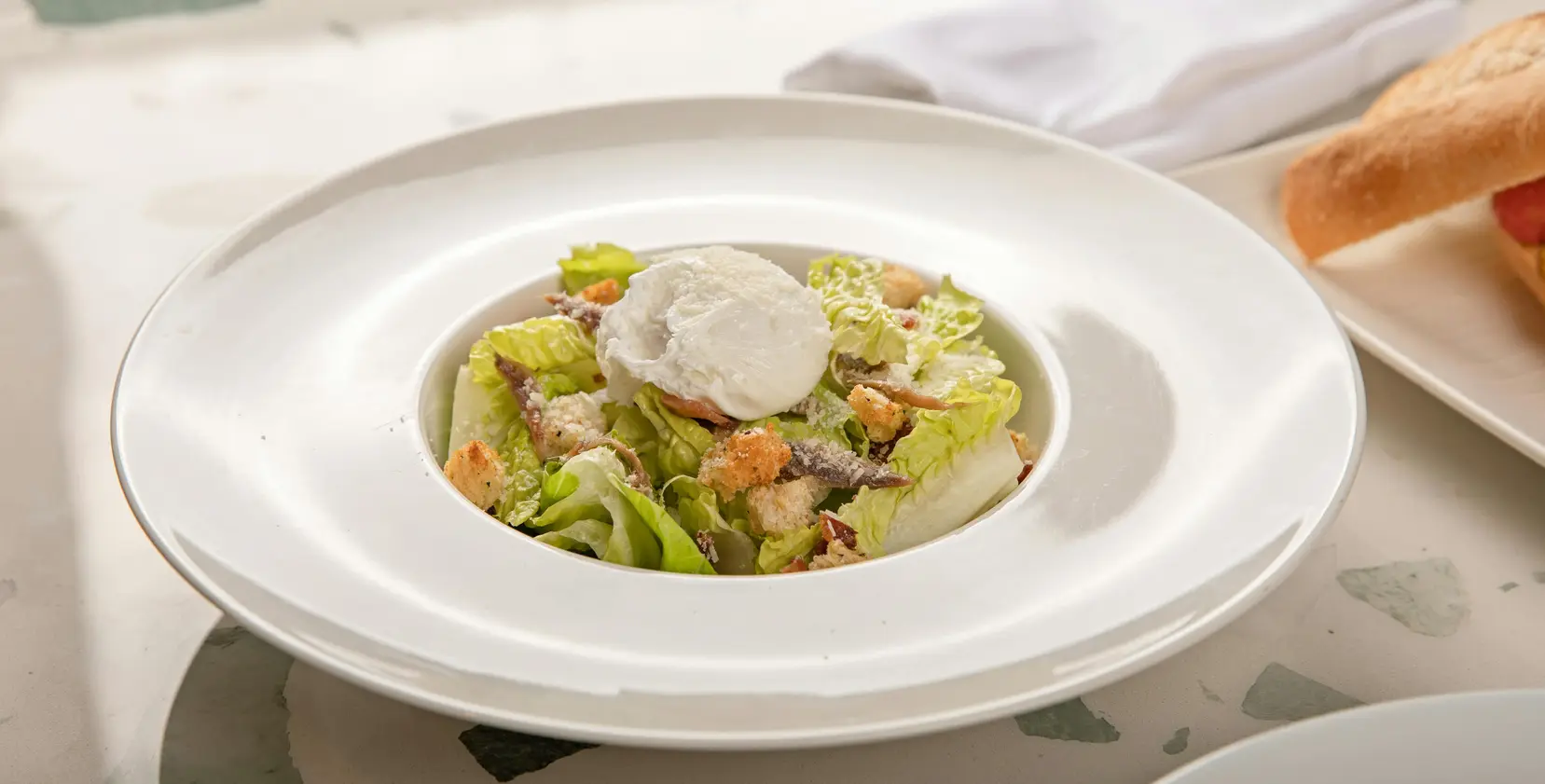
Romaine lettuce, the verdant base of the classic Caesar salad, is not just a refreshing and crunchy addition to your meal; it’s a nutritional powerhouse! Loaded with essential vitamins and minerals, this leafy green serves as a fundamental component that boosts the nutritional profile of your Caesar salad.
Romaine is particularly rich in vitamin A, with a single cup offering more than half of the recommended daily intake. This vitamin is crucial for maintaining healthy vision, bolstering your immune system, and ensuring proper function of your heart and lungs. Moreover, the folate in romaine plays a pivotal role in DNA synthesis and repair, making it necessary for pregnant women for fetal development.
Protein and Flavor: The Role of Grilled Chicken
Grilled chicken breast, often included in Caesar salads, is a fantastic source of protein, which is essential for muscle repair and growth. It is also a good source of niacin, which aids in the conversion of food into energy, and selenium, which plays a role in protecting your body from oxidative stress.
Including grilled chicken not only enhances the salad’s flavor but also makes it more satisfying, delivering a substantial energy boost that can stave off hunger pangs effectively throughout the day.
Healthy Fats in the Caesar Dressing
The traditional Caesar dressing, made with olive oil, parmesan cheese, egg yolks, and anchovies, might seem indulgent, but it actually brings a fair share of healthy fats to the table. Olive oil, a key ingredient, is rich in monounsaturated fats that support heart health by improving cholesterol levels and reducing inflammation.
Anchovies contribute omega-3 fatty acids, which are known to promote heart and brain health. These tiny fish also provide a burst of umami flavor, helping to reduce the need for added salt.
The Brightness of Lemon Juice and Vinegar
Caesar salads are often infused with the tangy kick of lemon juice or vinegar. Beyond flavor, these acidic ingredients offer notable health benefits. Lemon juice is an excellent source of vitamin C, which acts as a powerful antioxidant, supporting skin health and a robust immune system.
Vinegar, on the other hand, has been associated with numerous health benefits, including improved digestion and stabilization of blood sugar levels after meals.
Croutons: A Crunchy Component that Can Be Mindful
Croutons, typically made from white bread, add a satisfying crunch to the salad. However, to keep your salad more on the health-friendly side, opt for whole-grain croutons or prepare them using whole-grain bread, as this can add dietary fiber to your meal, contributing to better digestive health.
While croutons are delicious, mindful consumption can prevent the salad from becoming a source of unnecessary calories or sodium.
Parmesan Cheese: More Than Just a Garnish
Parmesan cheese, grated over the salad, provides not just flavor but also some nutritional benefits. It is a good source of calcium for bone health and phosphorous for energy regulation. Furthermore, Parmesan also contains protein and certain B-vitamins that play roles in cellular metabolism.
Since cheese can be high in sodium, using it sparingly will allow you to enjoy its benefits without overdoing your salt intake.
The Sum of Its Parts: A Balanced Meal
A Caesar salad, when constructed thoughtfully, can serve as a balanced meal providing carbohydrates, protein, fats, and a plethora of vitamins and minerals. It’s a dynamic dish that can be adapted to meet different dietary needs; vegetarians can omit the chicken and add chickpeas or tofu, while those looking for more gluten-free options can skip the croutons and ensure the dressing is free from gluten additives.
Ultimately, the Caesar salad is more than just a starter or side; it’s a harmonized blend of ingredients that, when balanced effectively, offers both deliciousness and nourishment.