
A garden that feels alive
There is a particular kind of magic in stepping outside and finding your own patch of green breathing softly in the morning light. Whether it is a narrow balcony with a few pots, a modest backyard, or a front yard that catches the afternoon sun, every home can hold a garden that feels generous, wild, and alive. A greener garden is not about perfection. It is about creating a small ecosystem where soil, water, birds, pollinators, and people can meet in harmony.
The good news is that this kind of garden does not require a grand budget or a landscape architect. It begins with a few thoughtful choices: plants suited to your climate, soil that is treated like something precious, and habits that conserve water while welcoming more life. With a little attention, even the simplest space can become lush, fragrant, and surprisingly resilient.
Start with the land you already have
Before buying anything, spend time observing your space. Notice where the sun lingers, where shade falls in the late afternoon, and where rainwater tends to gather after a storm. A garden grows better when it is designed around the rhythms already present. A corner that bakes in full sun may be perfect for herbs like rosemary, thyme, and basil, while a cooler, sheltered spot may suit ferns, hostas, or leafy greens.
Soil deserves the same curiosity. Dig in a little and see whether it feels sandy, sticky, or rich and crumbly. Healthy soil is the foundation of a greener garden, and improving it can be as simple as adding compost. Think of compost as the garden’s quiet feast: kitchen scraps and yard waste transformed into dark, earthy nourishment that helps plants grow stronger and use less water.
Choose plants that belong
One of the easiest ways to build a thriving garden is to choose plants that naturally suit your region. Native plants and climate-appropriate species often need less water, less fertilizer, and less fuss. They also tend to invite local butterflies, bees, and birds into the space, turning your garden into a living crossroads of color and movement.
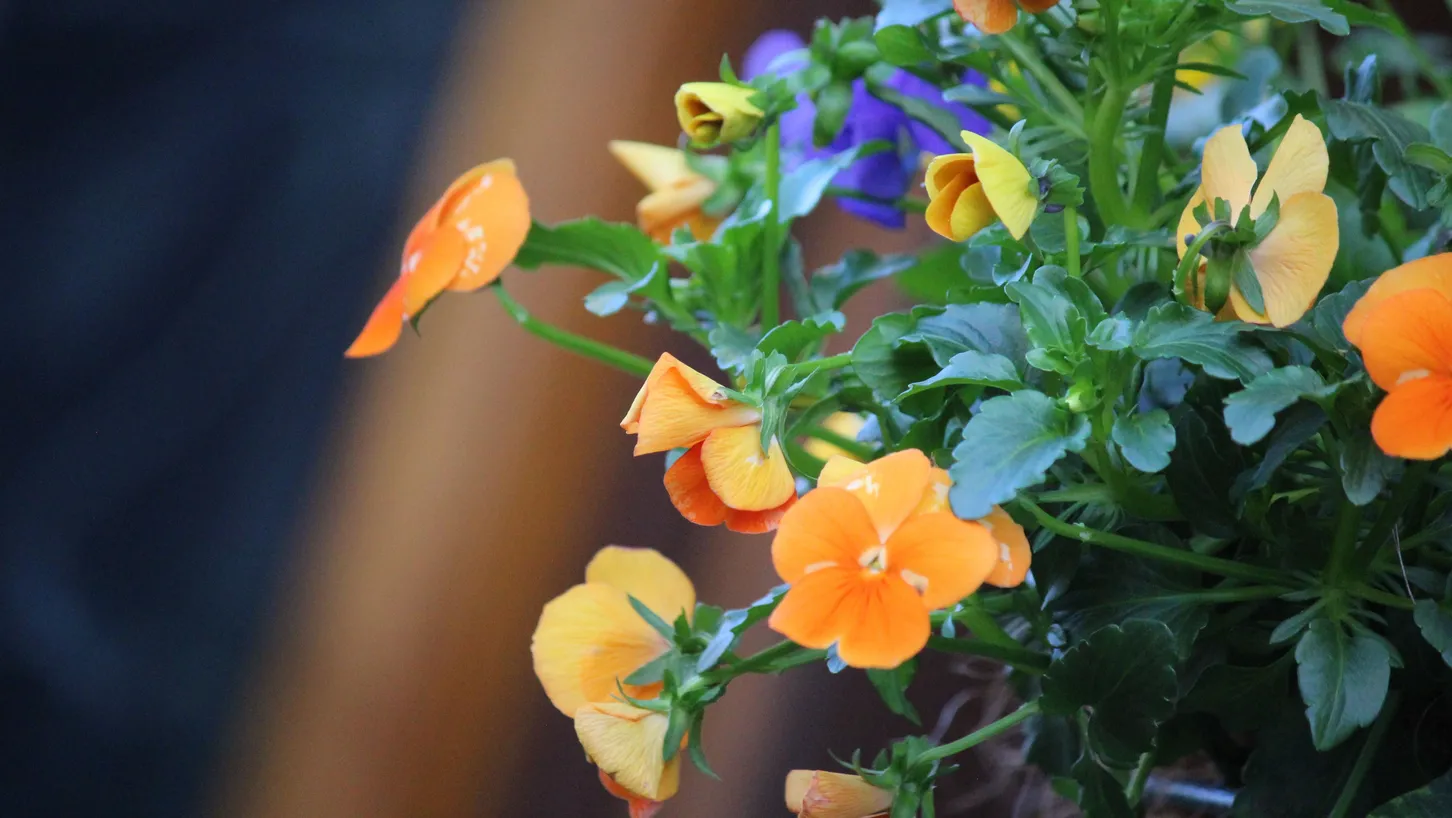
If you love flowers, mix blooming plants with shrubs, grasses, and groundcover so there is always something happening at different heights. If you prefer edible gardens, try a blend of herbs, salad greens, tomatoes, and strawberries in containers or raised beds. A diverse garden is a healthier one, with each plant playing its part like musicians in a well-tuned ensemble.
- For sunny spots: lavender, coneflowers, salvias, tomatoes, and oregano
- For partial shade: parsley, mint, ferns, begonias, and lettuce
- For low-water areas: succulents, rosemary, yarrow, and ornamental grasses
Water wisely and let every drop count
Water is one of the most valuable resources in any garden, and using it carefully can make a big difference. Rather than watering a little every day, give plants deeper drinks a few times a week so roots grow downward in search of moisture. Early morning is often the best time, when the air is cool and evaporation is low.
Mulch is a quiet hero here. A layer of bark, straw, shredded leaves, or compost spread around plants helps the soil stay cool and damp for longer. It also keeps weeds down, which means less competition for water and nutrients. In many gardens, this one simple step can transform the feel of the space from thirsty to thriving.
Collecting rainwater is another beautiful habit. A rain barrel placed beneath a downspout turns passing storms into a free supply for later use. It is a small gesture, but it links the garden to the weather in a wonderfully practical way.
Feed the soil, not just the plants
It is easy to focus on leaves and blooms, but the real work happens below the surface. Soil filled with organic matter supports stronger roots, better drainage, and healthier growth. Compost, worm castings, and natural fertilizers can all help replenish nutrients without overwhelming the garden.
Try to avoid overfeeding. Too much fertilizer can encourage weak, fast growth and runoff that harms nearby waterways. A gentler approach often works better: enrich the soil regularly, observe how plants respond, and adjust as needed. Healthy soil has a way of announcing itself through glossy leaves, steady growth, and fewer pests.
Invite pollinators and helpful creatures
A greener garden should feel like a welcoming stopover for bees, butterflies, and birds. Planting nectar-rich flowers in clusters makes it easier for pollinators to find their way. Choose varieties that bloom across the seasons so there is always food available.
Skip harsh pesticides whenever possible. Many insects are not enemies at all, but part of the garden’s natural balance. Ladybugs, lacewings, and birds can help keep pests in check if the environment supports them. A shallow dish of water, a few native flowering plants, and some undisturbed corners can turn an ordinary yard into a small sanctuary.
If you have room, add a birdbath, a bee hotel, or a pile of twigs and leaves tucked out of sight. These features may seem modest, but they give the garden texture and offer shelter to the creatures that keep it vibrant.
Grow vertically and think creatively
Not every home has sprawling ground to spare, but vertical gardening can make even a compact space feel abundant. Trellises, hanging baskets, wall planters, and stacked containers let you grow upward rather than outward. Climbing beans, peas, cucumbers, and flowering vines all make excellent use of vertical space.
Containers are also wonderfully flexible. They can be moved with the light, grouped for visual impact, or rearranged when the seasons change. A cluster of pots near a doorway can create a welcoming burst of green, while a railing lined with herbs can make even a city balcony feel like a miniature retreat.
Reuse whenever possible. Old buckets, wooden crates, ceramic bowls, and metal tins can become charming planters with a few drainage holes. A garden built with repurposed objects often feels more personal, more layered, and more connected to the rhythm of everyday life.
Make maintenance feel like a ritual
The best gardens are not those that demand constant labor, but those that fit gracefully into daily life. A few minutes of care each day can be more effective than long, exhausting sessions once in a while. Snip dead leaves, check for pests, water where needed, and harvest herbs or vegetables before they are overripe.
Walk through the garden often. Notice what is changing. A new bud, a fresh shoot, the sudden flutter of a butterfly, the earthy scent after rain—these are the details that make gardening feel less like a chore and more like a conversation. The more you pay attention, the more the garden reveals.
- Weekly tasks: weed lightly, inspect leaves, and refresh mulch
- Monthly tasks: add compost, prune overgrowth, and rotate container plants if needed
- Seasonal tasks: replant, divide perennials, and adjust watering as temperatures change
A greener home begins just outside the door
Every garden, no matter how small, has the potential to become a little greener, wilder, and more alive. The transformation happens gradually: a healthier soil bed here, a native flower there, a rain barrel catching the afternoon storm, a pollinator drifting from bloom to bloom. Before long, the space begins to feel less like decoration and more like a living extension of the home itself.
That is the beauty of gardening. It teaches patience, rewards observation, and reminds us that sustainability can be practical as well as beautiful. With a few simple choices, any home can host a garden that saves water, supports wildlife, and offers a daily moment of calm. In the end, growing greener is not only about plants. It is about creating a place where life, in all its small and splendid forms, can flourish.