


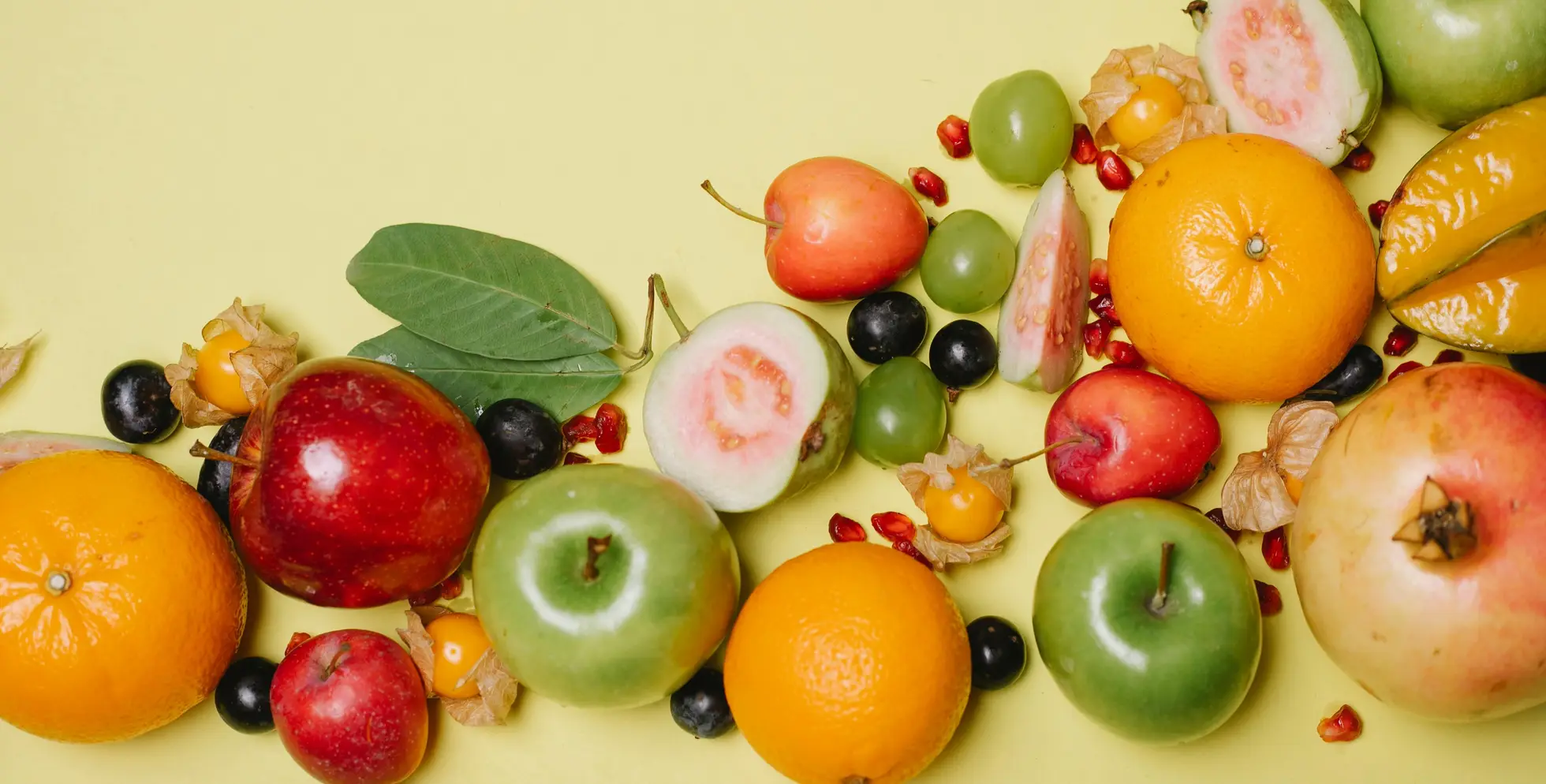
When it comes to healthy eating, fruits are an essential part of a balanced diet. However, not all fruits are created equal, especially when it comes to pesticide residues. With consumers becoming increasingly concerned about the safety and purity of their foods, understanding which fruits have the highest pesticide levels can guide safer food choices.
Understanding Pesticides and Their Use
Pesticides are chemicals used in agriculture to protect crops from pests, weeds, and diseases. While they play a crucial role in increasing food production, their residues can pose risks to human health. Exposure to high levels of pesticides can lead to various health problems, including neurological and hormonal disruptions. Therefore, it is important to be aware of which fruits are more likely to carry pesticide residues.
The “Dirty Dozen”: A List to Keep in Mind
Every year, the Environmental Working Group (EWG) publishes a list known as the “Dirty Dozen,” which highlights the fruits and vegetables with the highest pesticide residues. Here, we will focus on fruits that often appear on this list:
- Strawberries: Often topping the list, strawberries are susceptible to fungus, forcing farmers to use a variety of chemical pesticides to ensure a healthy crop. Washing and peeling can help reduce residue but not entirely eliminate it.
- Apples: Known for their health benefits, apples rank high due to the chemicals used in growing and storing them. Peeling the skin can remove some pesticides, but important nutrients are also lost.
- Nectarines: Non-organic nectarines often show pesticide residues in tests. Choosing organic options can significantly lower exposure.
- Grapes: Conventionally grown grapes are treated with numerous pesticides, affecting any fruit juice, wine, or raisins made from them.
- Peaches: Their delicate skin absorbs chemicals easily, making peaches more likely to retain pesticide residues.
- Cherries: Cherries often test positive for multiple pesticide residues. Their small size and intensive farming heighten chemical contact.
- Pears: High pesticide levels are found in pears, making thorough washing and peeling advisable.
- Tomatoes: Though technically a fruit, tomatoes often show pesticide residues, necessitating careful cleaning.
- Celery: Like tomatoes, celery’s high water content and porous stalks result in higher pesticide absorption.
- Potatoes: Again, more of a vegetable, but potatoes absorb more pesticides by weight than other produce, endangering their safety.
Reducing Your Pesticide Exposure
Acknowledging the presence of pesticides in fruits is a critical step, but it does not mean you need to eliminate these nutritious foods from your diet. Here are some ways to minimize pesticide exposure:
- Buy Organic: Organic fruits are grown without synthetic pesticides and are a safer option when available and affordable.
- Wash Thoroughly: Rinsing fruits with water and a bit of baking soda can help remove surface residues. For hard-skinned fruits like apples, using a brush can be more effective.
- Peeling: Removing the skin can significantly reduce exposure, though it also strips some fiber and nutrients.
- Support Local: Purchasing from local farms often ensures fresher, less-pesticide-laden produce due to reduced transport needs.
- Stay Informed: Keep up-to-date with the EWG’s yearly reports and other similar research to make informed choices.
Embracing Behavioral Changes
Changing shopping habits may seem daunting, but incorporating small changes can make a significant difference. As consumers become more conscious, markets and regulations gradually adapt. Emphasize whole fruits over processed products for less pesticide exposure, and consider growing small quantities of your own fruits if possible. Even small changes can foster significant improvements in health in the long run.
[convertkit form=5650887]