

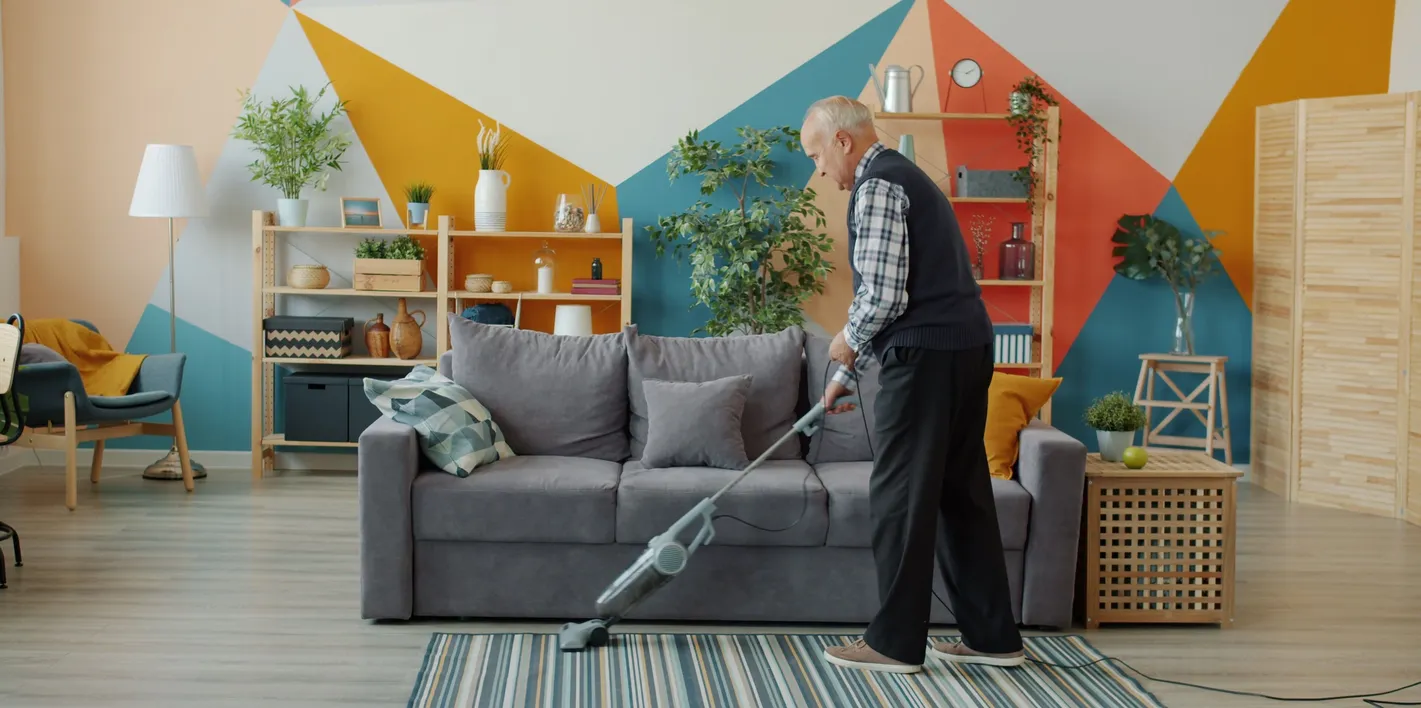
There is a particular kind of calm that settles over a home after it has been cleaned well. The air feels lighter, the sunlight seems brighter, and even the most ordinary corners begin to look like they are quietly exhaling. A tidy space does not just sparkle on the surface; it changes the rhythm of a day. Morning coffee tastes better at a clear kitchen table. Evenings feel softer when the couch is free of clutter. And somewhere between the wiped counters and folded throws, life begins to feel a little more spacious.
The trick, of course, is not turning cleaning into a grand expedition. The most livable homes are often maintained by small, steady habits rather than exhausting weekend marathons. Think of it like wandering through a bustling market street instead of racing through it in a panic: one stall at a time, one task at a time, with enough ease left over to enjoy the journey. These easy cleaning hacks are designed to help you keep your home fresh without surrendering your whole day to chores.
Start with the rooms you use most
If your home were a map, there would be a few places you visit daily without fail: the kitchen, bathroom, living room, and bedroom. These are the spaces that collect the most fingerprints, crumbs, and clutter because they are the rooms where life actually happens. Rather than trying to clean everything all at once, focus your energy where it matters most. A quick wipe of the kitchen counters, a sweep of the bathroom sink, or a five-minute reset of the living room can make the entire house feel cared for.
This approach works because it follows the natural flow of your day. You are not fighting the home; you are moving with it. A few minutes spent in the places that see the most traffic can create a visible difference almost immediately. It is a little like tidying the deck of a ship before it sails into open water: the space feels calmer, and so do you.
Keep a cleaning caddy ready to go
One of the simplest hacks is to gather your most-used supplies into a portable caddy. Include a multi-surface cleaner, microfiber cloths, a scrub brush, gloves, a sponge, and whatever else you reach for regularly. When everything lives in one place, you are far more likely to clean in short bursts instead of delaying because you have to hunt down a bottle from under the sink.
There is something almost ceremonial about carrying a neatly packed caddy from room to room. It turns cleaning into a guided walk through your home rather than a scattered search. You save time, yes, but you also save momentum. That matters more than people realize. A task is easier to finish when it begins with no friction at all.
Use the five-minute reset
Not every mess needs a full afternoon to handle. Set a timer for five minutes and focus on one area: the coffee table, the entryway, the bathroom counter, or the pile of items on a chair that has become an unofficial storage unit. The point is not perfection. The point is progress.
Five minutes is long enough to make a visible impact and short enough to avoid resistance. You can do almost anything for five minutes, especially when you know the finish line is near. It is a surprisingly powerful habit for busy days, and it is especially useful before guests arrive or before you leave the house for the evening. A quick reset can transform a room from chaotic to welcoming with minimal effort.
Let vinegar and baking soda do the heavy lifting
Some of the most effective cleaning tools are also the most unassuming. Vinegar and baking soda have long earned their place in homes around the world because they are simple, affordable, and versatile. Vinegar can help cut through buildup on glass, countertops, and fixtures, while baking soda is excellent for scrubbing sinks, freshening drains, and lifting stubborn odors.
For example, if your sink needs a refresh, sprinkle baking soda over the surface, add a splash of water to create a gentle paste, and scrub in circular motions. If your shower door has collected a cloudy film, a vinegar solution can help restore some of its shine. These humble ingredients feel almost old-world in their reliability, the kind of household staples you imagine finding in a sunlit pantry in a quiet village kitchen.
As with any cleaning product, test on a small area first and avoid mixing vinegar with bleach or other harsh chemicals. Simple can be powerful, but it should still be used wisely.
Clean as you cook
The kitchen can become a battlefield in the span of a single meal, but it does not have to stay that way. One of the easiest habits to adopt is cleaning as you cook. While water boils, wipe the counter. While something simmers, load the dishwasher or wash a few utensils. By the time dinner is ready, the cleanup is already halfway done.
This habit changes the whole atmosphere of the evening. Instead of facing a mountain of dishes after eating, you are left with only a few final tasks. The kitchen remains more peaceful, and so does your mind. There is a particular satisfaction in sitting down to eat with the sense that the future version of you has already been kindly considered.
Use baskets to tame clutter
Clutter often spreads not because a home lacks storage, but because it lacks easy landing spots. Baskets are a beautifully simple answer. Place them in living rooms, bedrooms, bathrooms, and entryways to catch the items that otherwise drift from surface to surface: books, chargers, scarves, mail, toys, and stray essentials.
A basket works like a harbor for everyday life. It gathers the loose ends without demanding a full sorting session every time. When a room starts to feel busy, a basket can instantly restore a sense of order. Later, when you have more time, you can sort through what is inside. For now, the room breathes again.
Work from top to bottom
There is a reason professional cleaners often move from high surfaces down to lower ones. Dust falls. Debris settles. If you clean the floor first and then dust the shelves, you are simply creating extra work for yourself. A top-to-bottom method makes every pass more efficient.
Start with ceiling fans, shelves, picture frames, and other elevated surfaces, then move to tables, counters, and finally the floors. This sequence feels orderly because it is orderly. It prevents backtracking and gives your cleaning session a natural flow. Imagine descending a hillside village path, moving steadily from the highest terraces to the ground below. The route makes sense, and every step leads naturally to the next.
Make your bed every morning
It may seem almost too simple to matter, but making the bed has a remarkable effect on the feel of a bedroom. A neatly arranged bed anchors the room, even if everything else is still waking up. It is one of the fastest ways to create visual calm before the day gathers speed.
There is also a psychological lift in completing one task first thing in the morning. It sends a small but meaningful signal: the day has started, and you are already tending to it. That single act can set the tone for better habits throughout the day. A made bed can make a room feel finished, even when the laundry basket is still in the corner and the windows are only half-open to the breeze.
Give shoes and entryways special attention
The entryway is the first impression of your home, and it often works harder than any other spot. Shoes, coats, umbrellas, bags, and mail tend to accumulate there because everyone passes through it. Keeping this area clear makes the entire home feel more welcoming.
Try a simple routine: put away shoes as soon as you walk in, hang up outerwear, and sort mail once a day instead of letting it pile up. A rug near the door, a small bench, or a hook system can help keep the flow manageable. Entryway clutter has a way of multiplying like travelers arriving at a station, each one carrying a little more chaos than the last. The sooner you create a system, the easier it is to keep the threshold calm.
Freshen fabrics regularly
Soft furnishings hold onto a home’s everyday story: the scent of dinner, the memory of a rainy afternoon, the dust that drifts in through open windows. Curtains, cushions, blankets, and upholstery all benefit from regular care. Shake out throw blankets, vacuum couch cushions, wash pillow covers when possible, and air out fabrics near an open window.
For a quick refresh between deeper cleans, sprinkle baking soda lightly on upholstered surfaces, let it sit for a bit, then vacuum it away. This can help reduce odors and make rooms feel newly revived. Fabrics are often the quiet backdrop of a home, and when they are fresh, the whole space seems to regain its energy.
Set cleaning habits to music
Cleaning feels lighter when it is paired with something enjoyable. A playlist can turn a dull task into a small private festival. Whether you prefer upbeat songs, soothing instrumentals, or a podcast that keeps you company, sound changes the tempo of the work. The room may not know the difference, but you will.
Music also helps you stay in motion. One song for the kitchen, another for the bathroom, another for the vacuuming round. Before you know it, the chores are done and the playlist has carried you through them like a good road trip companion. Even the repetitive motions feel more graceful when there is a rhythm to follow.
Adopt the one-touch rule
Whenever possible, handle an item once instead of moving it from place to place. Mail gets sorted when you bring it in. A coat gets hung up immediately. Dishes go from table to sink to dishwasher without lingering in between. This one-touch rule may sound small, but it is one of the most effective ways to prevent mess from growing.
It works because clutter often begins in the pauses. A jacket tossed over a chair, a receipt set down “for later,” a mug left on the desk until morning. Tiny delays become visible disorder. By reducing those pauses, you keep the house from drifting into chaos in the first place.
Clean windows and mirrors for instant light
If you want a room to feel brighter without changing a single piece of furniture, clean the windows and mirrors. Smudges soften the light; clarity restores it. A streak-free mirror can make a bathroom feel polished, while clean windows can make the whole house seem more open to the world outside.
There is something deeply satisfying about this kind of cleaning because the result is immediate. Suddenly the room is not merely tidy, it is luminous. Morning light enters with more confidence. Reflections look sharper. The home feels as if it has taken a deep breath.
A cleaner home is not about living in perfection or maintaining museum-like stillness. It is about creating a space that supports the life happening inside it. A home that is cared for becomes easier to enjoy, easier to rest in, and easier to share. With a few small habits and a little consistency, cleanliness stops feeling like a burden and starts feeling like a form of hospitality toward yourself.