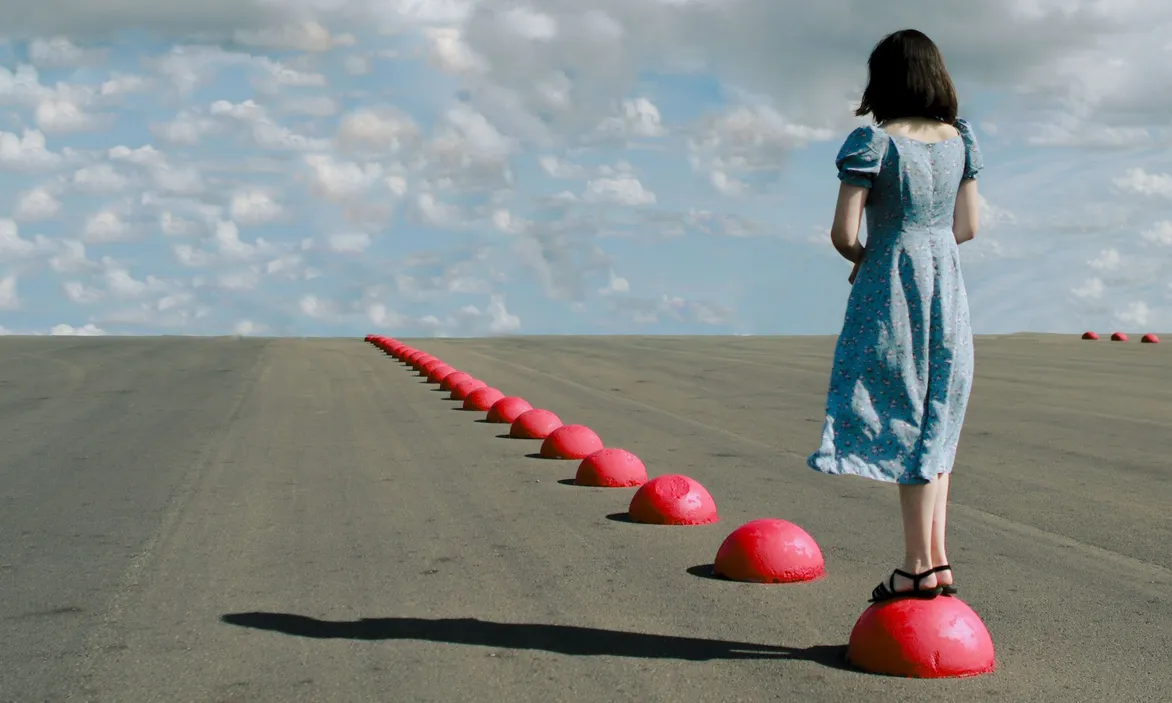



Your 20s can feel like a quiet pressure cooker. One moment you are expected to choose a career, build a future, manage relationships, and somehow become a fully formed adult. The next, you are comparing your pace to everyone else’s and wondering why your life does not look as settled as it seems to for other people. But the truth is simple and reassuring: you do not need to have your life figured out in your 20s.
This decade is not a final exam. It is a season of learning, adjusting, experimenting, and becoming. For many people, their 20s are less about arriving and more about gathering the self-knowledge that makes a meaningful life possible. When you release the idea that you must know everything now, you create room for growth, rest, curiosity, and gentler choices.
The pressure to have it all together is louder than ever
It is hard not to feel the weight of expectation in a world where other people’s highlight reels are always within reach. Social media can make it seem as though everyone else has a clear career path, a thriving social life, a perfect routine, and complete emotional clarity. In reality, most people are still figuring things out behind the scenes.
Uncertainty is not a sign that something is wrong with you. It is a normal part of becoming an adult. A degree, a job title, or a relationship status cannot capture the full complexity of a human life. You are allowed to be in motion, even if the world seems to prefer neat labels and quick answers.
There is also a hidden cost to pretending you are more certain than you really are. When you rush into decisions to appear settled, you may ignore your actual needs. You may choose paths that look impressive but feel draining. You may stay in roles, habits, or relationships simply because they seem like the responsible thing to do. Honesty, even when it feels messy, often leads to a healthier life than performance ever can.
Growth is not supposed to happen all at once
People often speak about adulthood as if it arrives in one dramatic moment. In truth, it unfolds in layers. You discover what you value, what you tolerate, what energizes you, and what quietly depletes you. You learn through trial and error. You make decisions, live with them, revise them, and keep going.
That process can feel slow, but it is deeply valuable. Some of the most important parts of life cannot be rushed:
- learning how to trust your own judgment
- understanding your emotional patterns
- building financial steadiness
- discovering the kind of work that feels meaningful
- learning how to communicate clearly and kindly
- figuring out what rest actually looks like for you
None of these things need to be mastered in your 20s. They can be developed over time, with patience and repeated practice. A life worth living is rarely assembled in a single decade.
Uncertainty can be a form of openness
Not knowing exactly what comes next can be uncomfortable, but it can also be spacious. When you let go of the need to have every answer immediately, you become more open to possibility. You may discover interests you never expected, meet people who shift your perspective, or find that the path you imagined at 22 no longer fits who you are at 28.
There is wisdom in staying open. Sometimes the pressure to define your future too early can narrow your life before it has had a chance to reveal itself. If you treat uncertainty as failure, you may miss the gifts hidden inside it. But if you approach it with curiosity, it becomes a place of discovery.
Try asking gentler questions:
- What feels nourishing right now?
- What am I learning about myself?
- What do I want more of in this season?
- What no longer feels aligned?
- Where can I give myself more grace?
Questions like these do not force immediate certainty. Instead, they invite awareness. And awareness often leads to wiser choices than pressure does.
Your timeline does not need to match anyone else’s
One of the most healing realizations in your 20s is that there is no universal schedule. Some people find a career they love early. Others change directions multiple times. Some people marry young. Others build deep partnerships later. Some are ready to buy a home, move cities, or start families. Others are not. Some know who they are almost immediately. Others spend years taking careful shape.
None of those timelines are morally superior. They are simply different. Comparing your path to someone else’s can create unnecessary shame. It can make natural pauses feel like failures and normal detours feel like setbacks. But your life is not a race, and your worth is not measured by speed.
It can help to remember that many supposedly “successful” lives include years of uncertainty that are rarely discussed publicly. The artist who seems overnight successful may have spent a decade in obscurity. The entrepreneur may have failed several times before finding what worked. The person who appears calm and settled may still be adjusting privately. Growth often looks more ordinary than it seems from the outside.
There is value in trying things before you are certain
Waiting until you feel completely ready can keep you stuck. Sometimes the only way to learn what fits is to try it. That does not mean making reckless decisions. It means allowing experience to teach you what thinking alone cannot.
You might explore a job, a city, a creative practice, a volunteer role, or a relationship dynamic and discover that it is not for you. That is not wasted time. That is information. Every experience can sharpen your understanding of what supports your well-being and what does not.
In your 20s, experimentation can be one of your greatest strengths. You are allowed to pivot. You are allowed to say, “This seemed right before, but it does not feel right now.” You are allowed to change your mind as you learn more about yourself. Flexibility is not a lack of discipline. Often, it is a sign of maturity.
Letting yourself be a beginner is deeply human
Many people struggle in their 20s because they want to seem competent before they truly feel competent. Yet being a beginner is not something to hide from. It is part of learning. Whether you are starting a new career, navigating a first serious relationship, living on your own for the first time, or trying to care for your mental health more intentionally, there will be moments when you feel unsure.
That uncertainty can be humbling, but it can also be freeing. You do not need to be perfect to begin. You do not need to have mastery before taking the next step. You only need a willingness to learn, a capacity for self-reflection, and enough compassion to keep going when things feel awkward.
It may help to reframe mistakes as part of the curriculum. Awkward conversations, wrong turns, and disappointing plans are not proof that you are behind. They are often the moments that teach you the most about resilience, self-respect, and discernment.
Stability is not the same as certainty
Some people think the goal of their 20s is to become certain about everything. But a more sustainable goal is to build stability within uncertainty. You may not know exactly where your life is going, but you can still create habits and supports that help you feel grounded.
Stability can look like:
- keeping a simple morning or evening routine
- maintaining a budget that reduces stress
- checking in with a trusted friend or therapist
- moving your body in ways that feel supportive
- protecting time for sleep, meals, and quiet
- setting boundaries with people or situations that drain you
These practices do not solve every question, but they make uncertainty easier to carry. They remind you that even when the future feels unclear, you can still care for yourself in the present.
Your identity is allowed to evolve
In your 20s, it is common to outgrow versions of yourself that once felt essential. You may no longer relate to the goals you set at 18. Your values may deepen. Your taste may change. Your social circle may shift. The things that once defined you may become less important, and that can be both unsettling and liberating.
Identity is not fixed. It is something you live into. If you feel different than you used to, that is not a problem to solve. It is evidence that you are alive, responsive, and growing. Being willing to evolve can help you build a life that reflects who you are becoming rather than who you once needed to be.
Instead of asking, “Who am I supposed to be by now?” try asking, “Who am I learning to become?” That shift can soften the edges of self-judgment and bring more tenderness into the process.
Rest is part of figuring things out
There is a common belief that if you are unsure about your direction, you should work harder, hustle more, and fill every empty moment with productivity. But clarity does not always come from pushing. Sometimes it comes from rest, stillness, and enough breathing room to hear your own thoughts again.
If your 20s feel overwhelming, it may be a sign that you need more recovery, not more pressure. Rest is not laziness. It is one of the conditions that allows insight to emerge. When you are constantly overstimulated, overcommitted, or undernourished, it becomes harder to know what you truly want.
Give yourself permission to slow down in small ways:
- take an unstructured walk without your phone
- spend an evening offline
- notice what feels calming in your body
- let a decision wait until you have more clarity
- say no to a plan that leaves you depleted
Slowing down does not mean giving up on ambition. It means honoring the rhythm that helps you move with greater honesty and care.
What matters most is not having the perfect plan
A beautiful life is not built on perfect certainty. It is built on alignment, self-trust, and the willingness to keep learning. Some of the most meaningful things in adulthood develop gradually: confidence, purpose, emotional resilience, and a deeper sense of what feels right.
If you are in your 20s and feel behind, take a breath. You are not failing because you do not yet have a polished answer for your future. You are living a formative chapter of your life. There is room for exploration, confusion, adjustment, and wonder.
Let your 20s be a time of becoming rather than proving. Let them be imperfect, honest, and alive. Let them include detours, rest, and small moments of clarity that arrive when you are ready for them. You do not need to have your life figured out to be on the right path. Sometimes the path reveals itself only after you begin walking.