

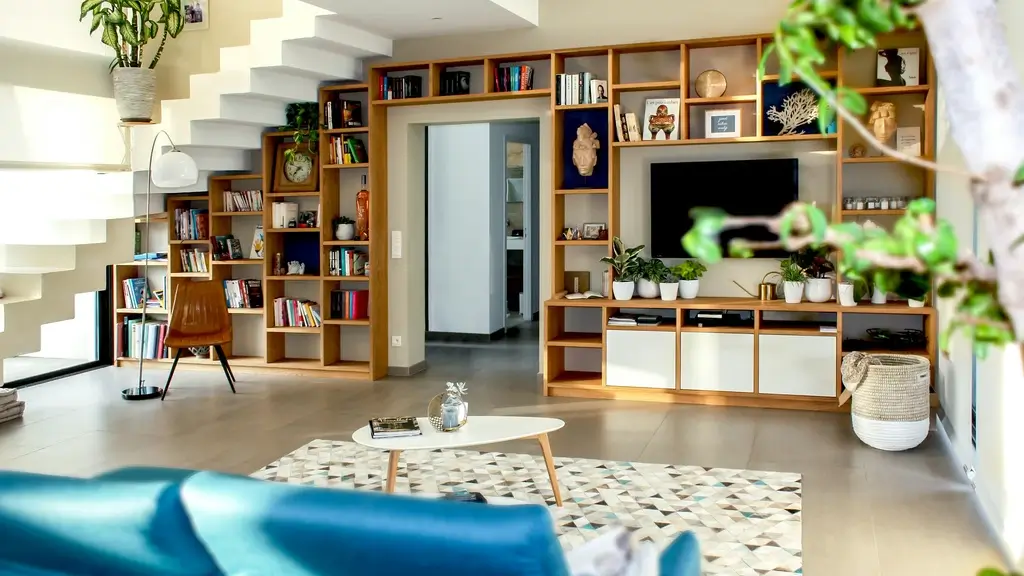
Home used to mean a couch, a coffee table, and one suspiciously overcommitted throw pillow. Now? Home is basically a personality test with plumbing. It’s where we work, rest, doomscroll, host, hide from the group chat, and occasionally pretend we “live intentionally” because we bought a lamp that cost more than our first car payment. The future of home design is being shaped by that reality: people want spaces that are smarter, calmer, more flexible, and yes, more attractive on a video call.
And honestly, it’s about time. The old idea that a home should look good but only function in one very specific way is giving museum energy. Today’s design trends are pushing homes to do more, waste less, and feel a lot more human. The best part? These shifts are not just for the ultra-rich with a linen obsession and a wellness studio in the guest wing. A lot of them are practical, adaptable, and surprisingly attainable if you ignore the pressure to buy everything in matching beige.
Flexible Spaces Are Replacing One-Job Rooms
One of the biggest changes in home design is the death of the single-purpose room. Dining rooms are becoming offices. Bedrooms are moonlighting as yoga studios. Hallways are suddenly expected to store backpacks, bikes, and the emotional burden of a family’s entire schedule. Multifunctional spaces are no longer a clever bonus; they’re the standard.
Designers are responding with modular furniture, movable walls, foldaway desks, and storage solutions that don’t scream “I gave up and bought plastic bins.” The goal is to create rooms that can shift with your day. A home office can disappear into a cabinet. A guest room can become a hobby space. A living room can host movie night and then, with a little rearranging, act like you have your life together.
This trend also reflects how people actually live now. We need homes that can pivot when schedules, families, and work routines change. The future belongs to spaces that are less precious and more useful. Shocking, right?
Wellness Is Moving In, Whether We Asked or Not
Wellness design has gone from niche to mainstream, and it’s not just about placing a plant in the corner and calling it a day. The modern home is increasingly being designed to support mental and physical well-being. That means better natural light, improved air quality, quieter materials, softer color palettes, and layouts that reduce clutter and visual noise.
People are paying more attention to how a space feels, not just how it photographs. Surfaces that are easy to clean, lighting that changes throughout the day, and materials that don’t off-gas a chemical eau de renovation are all becoming priorities. Even acoustics matter more now, which makes sense when you realize many of us are trying to attend meetings while someone else blends a smoothie in the background.
Biophilic design is also still having its moment, because humans apparently like being reminded that we are, in fact, mammals. Indoor-outdoor connections, more greenery, natural textures, and views of the outside world can all make a home feel calmer and more restorative. It’s less about turning your living room into a rainforest and more about giving your nervous system a break.
Smart Homes Are Getting Less Gimmicky and More Useful
For a while, smart home tech felt like a parade of gadgets nobody truly needed. A fridge that tweets? Cute. A faucet that responds to your voice? Sure, if you enjoy feeling like royalty and/or a person in a very specific ad campaign. But the future of smart homes is less about novelty and more about convenience, efficiency, and personalization.
Today’s smart systems are becoming more integrated and more invisible. Think thermostats that learn your routine, lighting that adapts to your schedule, security systems that are easier to manage, and appliances that save energy without making a fuss. The best technology is the kind you barely notice because it just works.
That said, the real appeal of smart home design isn’t just the tech itself. It’s the way it can reduce friction in daily life. When your home can quietly handle some of the boring stuff, you get more time for, well, anything better than remembering whether you left the porch light on for the eighth time this week.
Sustainability Is No Longer a Side Quest
Eco-friendly design has finally moved from aspirational to expected. People are thinking more carefully about where materials come from, how long they last, and what happens when they’re eventually tossed aside in the endless recycling fantasy we all keep pretending is simple. Sustainable home design now includes reclaimed materials, low-VOC finishes, energy-efficient appliances, water-saving fixtures, and durable pieces that can survive more than one trend cycle.
There’s also a growing appreciation for timeless design over disposable décor. The idea is to buy fewer things, but better things. Revolutionary, really. Instead of replacing everything every two years because an algorithm told us mushroom lamps are over, people are leaning into quality materials and thoughtful craftsmanship. This shift is not only better for the planet, it’s better for your wallet in the long run, even if the upfront price tag sometimes makes you blink twice.
Resilience is part of sustainability too. Homes are being designed with climate realities in mind, from better insulation and passive cooling to materials that can stand up to more extreme weather. The future of home isn’t just about looking eco-conscious on Instagram. It’s about actually being prepared for a changing world, which is a much less cute but far more useful goal.
Natural Materials Are Winning Against Cold Minimalism
Remember when every stylish home looked like an upscale dentist’s waiting room? All white, all gray, all hard edges and emotional distance? Thankfully, many people are moving away from that sterile minimalism and toward warmer, more tactile interiors. Wood, stone, clay, linen, wool, and handmade finishes are making homes feel softer and more lived-in.
This doesn’t mean maximalism has to take over your entire house like a decorative coup. It means there’s a growing desire for texture, warmth, and materials that age gracefully. A slightly imperfect ceramic bowl or a worn-in oak table can make a space feel more grounded than a room full of shiny surfaces ever could.
Color is shifting too. Instead of stark neutrals everywhere, we’re seeing earthy tones, muted greens, deep blues, and richer accent shades that create comfort without chaos. The vibe is less “showroom” and more “someone actually lives here and knows where the batteries are.”
Design Is Becoming More Personal, Less Performative
One of the healthiest trends in home design is the move away from trying to impress strangers and toward creating spaces that actually reflect the people who live in them. That means homes are becoming more eclectic, more layered, and less obsessed with whatever style is trending on social media this week.
People are mixing old and new, high and low, sentimental and functional. The inherited side table stays. The weird vintage lamp stays. The mass-produced shelf that somehow works perfectly stays too. This approach makes homes feel more authentic and less like a staged set for a lifestyle brand that sells candles and aspirational calm.
Personalization also shows up in how people use color, art, and display objects. The future home doesn’t demand a flawless aesthetic. It makes room for identity, memory, and a little bit of chaos. Which, to be fair, is the most realistic luxury of all.
Outdoor Living Is Getting More Serious
Balconies, patios, porches, and tiny urban courtyards are being treated as real extensions of the home instead of afterthoughts with a sad chair and one lonely herb pot. Outdoor living spaces are becoming more functional, comfortable, and stylish, especially as people look for ways to expand their homes without adding square footage.
This means better outdoor furniture, weather-resistant materials, lighting that actually makes people want to stay outside, and layouts that support dining, relaxing, and even working. In warmer climates, indoor-outdoor flow is a major design priority. In less forgiving climates, it’s about making the most of every usable season before winter shows up like an uninvited relative.
Even small spaces can benefit from this trend. A narrow balcony with thoughtful seating and plants can become a genuine retreat. The point is not to recreate a resort. It’s to make fresh air a regular part of home life without requiring a vacation budget.
Storage Is Finally Being Treated Like a Design Feature
Storage has always mattered, but now it’s getting the respect it deserves. Instead of hiding it away as an awkward necessity, designers are building storage into the overall aesthetic of a home. That means benches with hidden compartments, built-ins that blend into the architecture, and closets designed with the kind of planning that prevents daily chaos.
This is a big deal because clutter is not just a visual issue; it’s a stress issue. When a home has intuitive storage, life gets easier. Keys go somewhere. Chargers have a home. Shoes stop multiplying near the door like they pay rent. Good storage is one of the most underrated forms of luxury because it quietly improves every single day.
And no, decorative baskets do not count as a full strategy. Nice try.
The Home of the Future Is Adaptable, Not Perfect
The biggest lesson shaping modern home design is that people want spaces that can evolve with them. Life changes. Work changes. Families change. Tastes change. The home that tries to stay fixed in time ends up feeling brittle, while the home that can adapt feels resilient and real.
That’s why the future of home is less about perfection and more about intention. It’s about designing spaces that support how people actually live, not how they’re supposed to live according to some glossy fantasy. It’s about comfort without clutter, tech without noise, and style without sacrificing sanity.
So yes, the future of home will probably include smarter systems, greener materials, and more flexible layouts. But the real shift is deeper than that. We’re rethinking what a home is for. And if that means fewer useless décor objects and more rooms that genuinely make life better, well, that sounds like progress with excellent lighting.