

Understanding Frost and Its Impact on Plants
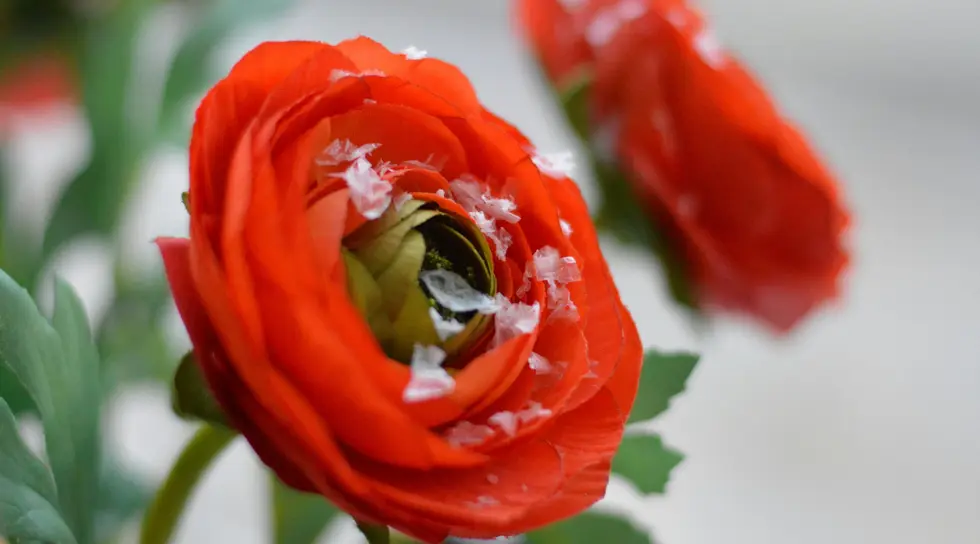
Frost is a thin layer of ice that forms on surfaces when the temperature drops below the freezing point of water. While it might create picturesque scenes, frost can be devastating to plants. It causes the water inside plant cells to freeze, leading to cell damage and, in severe cases, plant death. Understanding how frost impacts plants is the first step towards protecting them.
Choosing the Right Plants
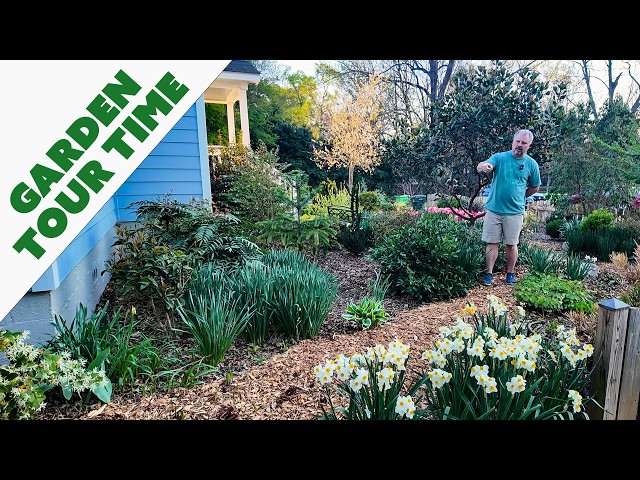
One of the most effective ways to protect your plants from frost is by selecting frost-hardy varieties that are suited to your specific climate zone. Perennials such as hardy ferns and ornamental grasses, as well as many types of herbs like sage and thyme, are excellent choices for areas prone to frost. They are naturally more resilient and can withstand lower temperatures.
Site Selection and Garden Design
Thoughtful garden design can also help mitigate frost damage. If possible, choose planting sites that have good air drainage, such as slopes, to prevent cold air from settling. Avoid frost pockets, where cold air can become trapped, and ensure that your soil has good drainage to prevent ice formation around the roots.
Mulching for Protection
Mulching is a straightforward yet highly effective way to shield plant roots from the cold. By applying a thick layer of organic material such as straw, leaves, or bark around the base of your plants, you create an insulating layer that helps maintain more stable temperatures in the soil. This practice not only helps in frost protection but also improves soil fertility and moisture retention.
- Apply mulch after the first hard frost to retain soil heat.
- Maintain a mulch depth of around 2 to 3 inches.
- Avoid piling mulch against the plant stem to prevent rot.
Using Frost Cloths and Protective Covers
Covering plants with specialized frost cloths or protective blankets is another practical measure to safeguard them against frost. These materials allow light and water through while providing insulation against the cold.
- Cover plants in the evening and remove in the morning after frost has thawed.
- Use stakes or frames to keep covers from touching the plants directly.
- For smaller plants, old sheets, burlap, or even cardboard boxes can be effective temporary covers.
Utilizing Water and Heat
Watering plants before a frost can actually protect them. Wet soil retains more heat than dry soil, releasing warmth into the air around plants overnight. Additionally, using water-filled garden cloches or placing jugs of water around the garden can help moderate temperatures.
Innovative Seasonal Planting Techniques
Consider implementing seasonal planting techniques such as succession planting and rotating crops. This strategy not only optimizes your yield but also ensures that more tender plants are harvested before the first frost occurs.
Long-Term Solutions: Greenhouses and Cold Frames
For more permanent solutions to frost protection, consider investing in a greenhouse or cold frame. A greenhouse provides a controlled environment where temperature and humidity can be managed, allowing you to grow a wider variety of plants year-round, irrespective of outdoor weather conditions. Cold frames offer similar protection on a smaller scale and can be particularly useful for extending the growing season.
Emergency Steps During Unexpected Frost
In cases where frost hits unexpectedly, there are several quick measures you can take to reduce damage:
- Use a sprinkler to create a thin layer of ice over plants, which releases latent heat and can protect plant tissues.
- Turn on garden lights or string Christmas lights over plants to provide residual heat.
- Promptly remove frozen debris from plant foliage in the morning to reduce further damage.
Monitoring and Adaptation
Being proactive about frost protection involves keeping a close eye on the weather forecast during the colder months. By adapting your gardening strategies to changing conditions, you can minimize risks and maximize plant survival. Additionally, maintaining a detailed garden journal can help you track weather patterns and make informed decisions in future growing seasons.
Embracing the Winter Landscape
While frost requires gardeners to take extra precautions, it also offers a unique opportunity to explore the beauty of winter gardening. Embrace hardy plants that thrive in the cold, like hellebores and winterberry, to add life and color to your winter landscape. With a little preparation and creativity, you can ensure your garden remains a source of joy and beauty throughout the chilly months.