

If you’re new to the world of houseplants, a philodendron might just be the perfect addition to your home. These tropical beauties are known for their lush foliage and ease of care, making them an ideal choice for both novice and seasoned plant enthusiasts alike. In this beginner’s guide, we’ll explore everything you need to know about growing and caring for philodendrons.
Why Choose Philodendron?
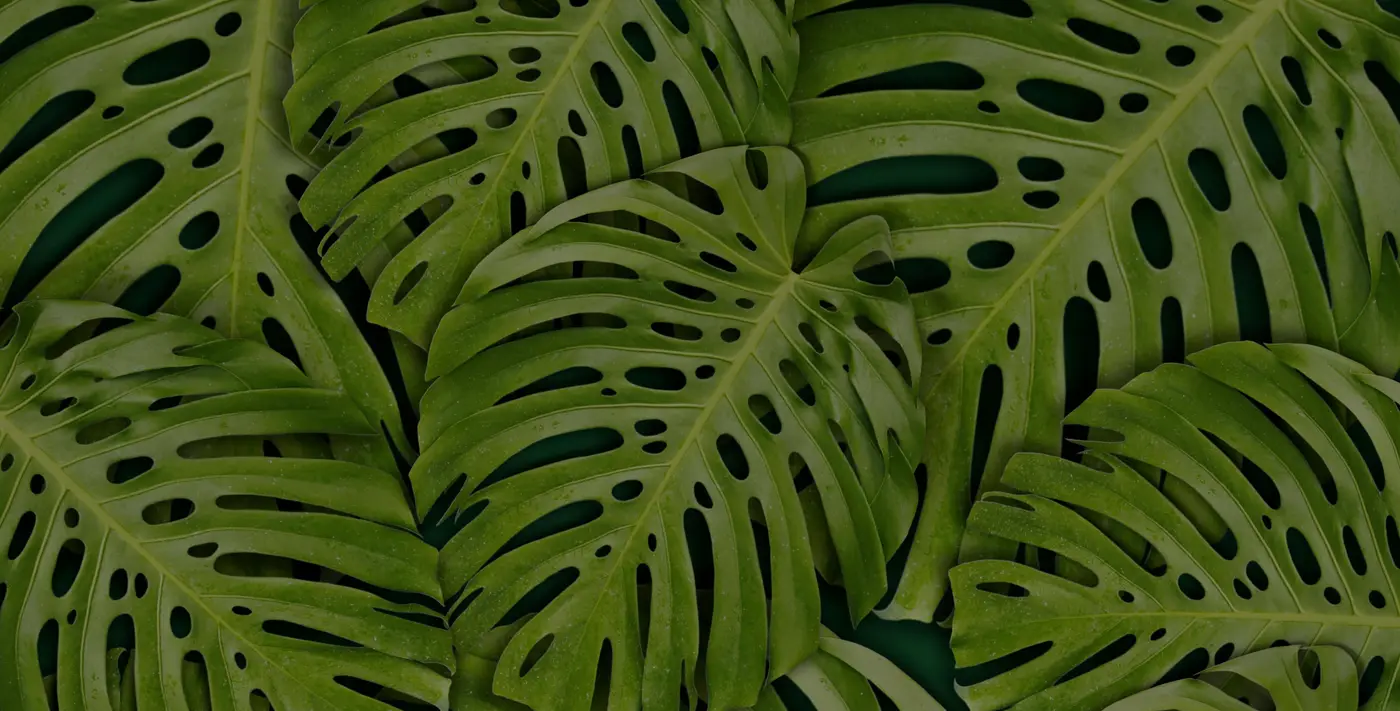
Philodendrons are beloved for their adaptability and low-maintenance nature. They come in a variety of shapes and sizes, from the heart-leaf philodendron with its glossy, heart-shaped leaves to the striking split-leaf philodendron with its unique fenestrations. Whether you have ample space or a small apartment, there’s a philodendron variety perfectly suited for your environment.
Understanding Philodendron Varieties
There are two main types of philodendrons: climbing and non-climbing. Climbing varieties, such as the Heartleaf Philodendron (Philodendron hederaceum), are excellent for creating vertical green displays and can even be trained to climb trellises or moss poles. Non-climbing varieties, like the Philodendron ‘Xanadu,’ grow more in a bush-like form and are ideal for standalone pots or as centerpiece plants.
- Heartleaf Philodendron – Known for their vibrant green, heart-shaped leaves, these are perfect for hanging baskets or trailing along shelves.
- Philodendron ‘Xanadu’ – Offers a full, bushy appearance with deeply segmented leaves.
- Philodendron ‘Brasil’ – Features striking yellow and green variegation, providing a splash of color.
Light Requirements
Philodendrons thrive in medium to bright indirect light; however, they are tolerant of lower light conditions, which makes them versatile houseplants. Keep in mind though, that while they can handle lower light, their growth might slow, and variegated varieties may lose some of their distinct coloration. It’s best to place them near a window that provides filtered light or use sheer curtains to diffuse direct sunlight.
Watering and Humidity
One of the easiest mistakes to make with philodendrons is overwatering. The key is to allow the top inch of soil to dry out between waterings. Both climbing and non-climbing varieties prefer moist but not soggy soil. To avoid overwatering, ensure your pot has proper drainage and never let the plant stand in water.
Philodendrons also appreciate higher humidity, reminiscent of their tropical origins. While normal household humidity is often sufficient, consider misting your plants occasionally or placing a small humidifier nearby during particularly dry seasons.
Soil Preference
A well-draining, aerated soil mix is crucial for healthy philodendron growth. A good mix can consist of equal parts potting soil, perlite, and orchid bark. This blend ensures adequate drainage and aeration, preventing root rot.
Fertilizing Your Philodendron
To promote robust growth, fertilize your philodendron every 4-6 weeks during the growing season (spring and summer). Use a balanced liquid fertilizer diluted to half strength to avoid burning the roots. During the fall and winter months, reduce fertilization, as the plant’s growth slows.
Pruning and Propagation
Pruning is an essential part of philodendron care, helping to control their size and promote fuller growth. Use clean, sharp scissors to prune any dead or yellowing leaves. For climbing types, regular pruning can help maintain a desired shape or encourage layer growth.
Propagation is equally straightforward. Simply take a cutting below a leaf node, remove the lower leaves, and place it in water or soil. Within weeks, roots should begin to develop, giving you a whole new plant to nurture or share with friends.
Common Pests and Problems
Philodendrons are generally pest-resistant but may occasionally attract issues like spider mites, aphids, or mealybugs. If you notice any signs of infestation, such as sticky residue or discolored leaves, a gentle wipe of the leaves with a mixture of water and insecticidal soap will usually clear up the problem.
Monitor your plant’s condition regularly. Yellowing leaves can indicate overwatering or a need for more light. Conversely, crispy, brown leaf tips could suggest low humidity or underwatering.
Enjoying Your Philodendron
Ultimately, adding a philodendron to your plant collection can provide not only aesthetic beauty but also a rewarding horticultural experience. Their adaptability and forgiving nature make them perfect companions as you expand your plant knowledge. By following the tips in this guide, you’ll be on your way to growing healthy, happy philodendrons that will beautify your space for years.