

As we edge closer to the mid-2020s, the way we live, work, and play continues to evolve at an unprecedented pace. The fusion of technology with everyday activities and an increased awareness of our environmental footprint are shaping new lifestyle trends that are expected to gain momentum by 2026. Let‘s dive into some of the key modern lifestyle trends you should definitely have on your radar.
1. Remote Work and Digitally Nomadic Lifestyles
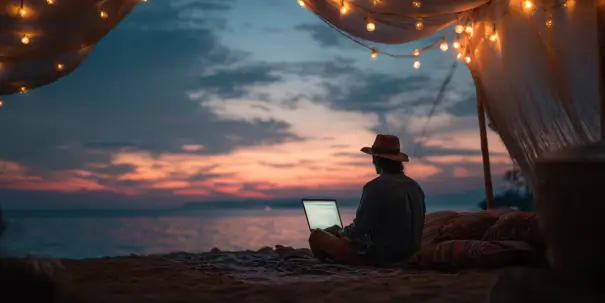
The remote work revolution that accelerated in response to global events in the early 2020s is now a deeply entrenched norm. By 2026, the notion of a traditional office job will be largely replaced by hybrid and fully remote models. Many professionals are embracing a digitally nomadic lifestyle, _choosing to work while traveling_ to new destinations. This trend has spurred the development of “co-living” spaces and temporary housing solutions catered towards individuals who are always on the move. Expect cities and towns across the globe to accommodate this trend by offering better connectivity and community-driven workspaces.
2. The Rise of Biophilic Design
Humanity‘s deep-seated connection to nature is being reflected in our living spaces through biophilic design—an architectural approach that seeks to incorporate natural elements into man-made environments. As we spend more time indoors, integrating aspects such as natural light, greenery, and organic materials into our homes and workplaces is becoming increasingly important. By 2026, biophilic design is poised to become mainstream, with urban environments incorporating green roofs, living walls, and bio-positive materials to help us reconnect with nature and bolster our mental well-being.
3. Hyper-Personalization in Wellness and Nutrition
Personalized wellness is another burgeoning trend set to dominate by 2026. Technological advancements in health monitoring devices, such as wearable sensors and smart apps, are allowing individuals to tailor their health regimes like never before. These gadgets will enable people to track everything from vitamin deficiencies to stress levels, offering tailor-made solutions that cater to specific needs. The nutrition sector, in particular, will see significant growth in personalized meal offerings, supported by AI-driven tools that recommend dietary adjustments based on an individual’s genetic profile and lifestyle choices.
4. Sustainable Living and Conscious Consumption
This shift in mindset is driving innovations in circular economies and the use of biodegradable materials. Industries ranging from fashion to food are adopting greener practices, and brands are responding to consumer demand by offering transparency in their production processes. Look out for zero-waste movements and second-hand economy expansions becoming the norm.
5. Mental Health as a Priority
The early 2020s brought a greater emphasis on mental health, and by 2026, this will have become a fundamental part of our lifestyle decisions. Organizations and communities are continuously working to implement more robust mental health support systems, both in workplaces and in personal lives. Expect discussions surrounding mental health to become more open and accepted, significantly reducing the stigma.
6. Augmented Reality (AR) Investment in Everyday Life
Augmented reality is transforming from a tech curiosity into an everyday tool. By 2026, AR technology will play a key role in industries like retail, tourism, education, and healthcare.
7. Emphasis on Community and Localism
In the upcoming years, the significance of building strong communities and fostering localism will only increase. The pandemic has shown how crucial it is to have reliable local support systems. This realization has spurred efforts to promote local businesses, enhance communal spaces, and engage in locally sourced products. These community-driven initiatives will continue to grow, boosting economic resilience and social solidarity.
In summary, the lifestyle trends shaping 2026 revolve around adaptability, sustainability, and enhanced well-being. Embracing these changes will not only improve personal experiences but also contribute positively to the larger social and environmental context.