


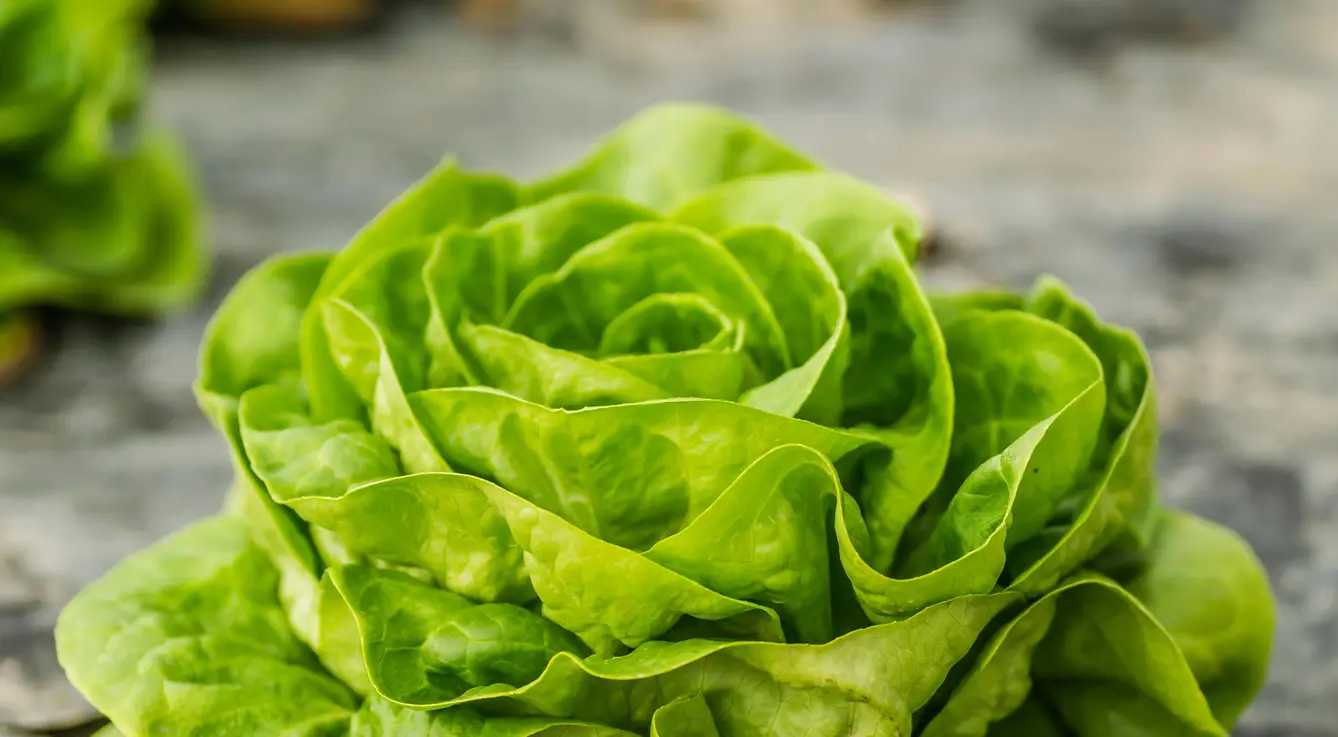
Fresh, crisp lettuce is a staple for salads, sandwiches, and healthy meals. However, ensuring that your lettuce is thoroughly cleaned before consumption is crucial for both taste and health. Improperly washed lettuce can harbor dirt, pesticides, and harmful bacteria. Understanding the right techniques to clean lettuce not only guarantees safety but also enhances its flavor and freshness.
Choosing the Freshest Lettuce
Before diving into cleaning, start by selecting the freshest lettuce. Look for firm leaves with vibrant colors and avoid any with brown spots or wilting edges. Fresh lettuce should feel crisp to the touch and emit a clean, earthy smell.
Step-by-Step Guide to Cleaning Your Lettuce
Whether you’re dealing with iceberg, romaine, or butterhead lettuce, the following steps will help you achieve clean, ready-to-eat greens.
- Remove the Outer Leaves: Often, the outer leaves of lettuce are the most exposed to dirt and toxins. Carefully remove these leaves and discard them.
- Rinse Under Cold Water: Hold the head of lettuce under a stream of cold running water. Make sure to move each leaf around to allow the water to wash away any visible dirt or debris. Cold water not only helps in cleaning but also helps the leaves retain their crispiness.
- Soak in a Bowl of Water: Fill a large bowl with cold water. Submerge the lettuce and gently move the leaves around. This will help lift off any remaining dirt. For additionally dirty leaves, consider adding a small amount of vinegar to the water for a more thorough clean.
- Dry Thoroughly: After rinsing, the key is to ensure the lettuce is dry before storing or serving. A salad spinner can be handy to spin off excess water. Alternatively, lay the leaves on a clean kitchen towel and pat them dry. Another method is laying them on a bed of paper towels, folding over to absorb moisture.
- Storage Tips: To keep your lettuce crisp, store it in a plastic container lined with paper towels. This will absorb moisture and keep the leaves fresh for longer periods.
Special Note on Organic Lettuce
Even if your lettuce is labeled organic, it’s wise to follow the same cleaning procedure. Organic produce is often less treated with chemicals but can still contain natural residues and bacteria.
Using Vinegar to Enhance Cleanliness
Vinegar is a natural disinfectant. Adding a tablespoon of vinegar to your soaking water can help remove bacteria and prolong the freshness of your lettuce by making it inhospitable to mold. Ensure to rinse with cold water thoroughly after vinegar use to remove any residual taste.
Common Mistakes to Avoid When Cleaning Lettuce
- Skipping the Drying Step: Wet leaves will wilt quicker and may develop a slimy texture. Always ensure lettuce is completely dry before storing or serving.
- Overcrowding in Storage: Overstuffing your storage container can bruise leaves, making them go bad faster. Use multiple containers if necessary.
- Using Hot Water: Though it might seem like hot water would clean more effectively, it can cause lettuce to wilt. Stick with cold water for the best results.
The Role of a Salad Spinner
A salad spinner is not only useful for drying your lettuce but also enhances the cleaning process. The gentle spinning motion helps shake off remaining dirt and debris, providing an additional cleaning step that ensures impeccably fresh lettuce.
Conclusion: Elevate Your Salad Experience
With these techniques, you can prepare pristine lettuce with ease, ensuring each salad you create is both safe and delightful to eat. Properly cleaned lettuce is the foundation for enjoyable, healthy meals, allowing the flavors of your fresh ingredients to shine through effortlessly.