It feels like the world is doing that very specific thing where every time you look up, there’s a new headline, a new trend, or a new little shift in the way we live. You know the feeling: one minute you’re scrolling for a recipe or a funny cat video, and the next you’re knee-deep in a conversation about artificial intelligence, tiny homes, retro fashion, or why everyone suddenly wants to be offline but also somehow more online than ever. Honestly, it’s a lot. But it’s also kind of exciting.
There’s something oddly comforting about noticing the patterns in all the chaos. Life right now feels a bit like a playlist with wildly different songs shuffled together. Some of it is practical, some of it is cultural, and some of it is just plain weird in the best possible way. The interesting things happening around us aren’t always huge headline moments either. Sometimes they show up as small shifts in how we work, shop, date, decorate, or even rest. Those little changes can tell us a lot about where we’re headed.
The rise of “soft living”
If there’s one vibe that keeps showing up everywhere, it’s the move toward softer, slower living. People are talking more about boundaries, burnout, rest, and building a life that doesn’t feel like a nonstop stress montage. And honestly? It’s about time. For years, hustle culture was treated like the main character, and now a lot of us are looking at that storyline like, “Actually, I would like a nap and a balanced lunch.”
Soft living is showing up in all kinds of ways: muted home decor, gentler morning routines, more flexible work setups, and even the language people use on social media. Instead of glorifying being busy, people are asking questions like:
- Do I actually need to be this accessible all the time?
- What if my home felt calming instead of performative?
- Can joy be a valid productivity strategy?
That shift feels meaningful because it’s not just aesthetic. It’s emotional. It’s people trying to build lives that feel human again.
Technology is getting more personal, and a little uncanny
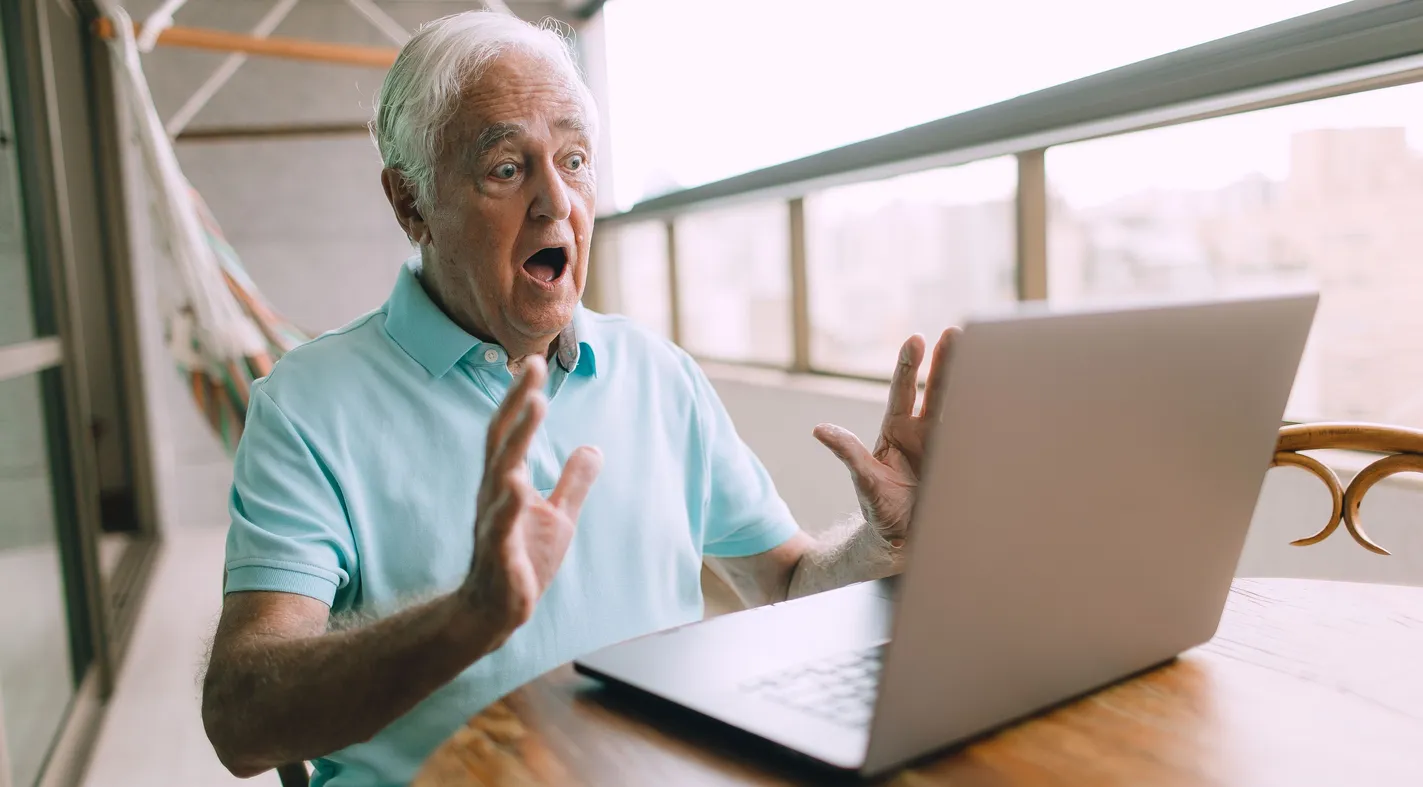
Let’s talk about the obvious giant in the room: technology is evolving fast enough to make even the most tech-savvy among us blink twice. AI tools are popping up everywhere, from writing helpers to image generators to apps that can organize your life in ways that feel suspiciously like magic. It’s useful, sure, but it also brings up big questions about creativity, trust, and what we want the human touch to mean.
There’s a weirdly fascinating tension here. On one hand, people want tools that save time and make life easier. On the other hand, we’re also craving authenticity more than ever. We want the playlist, the voice note, the handwritten note, the messy real-life proof that a person was here. It’s giving “Black Mirror” meets “I still want a charm bracelet.”
The interesting thing is that the more digital our world becomes, the more people seem to value anything that feels real, tactile, and imperfect. That’s why handmade goods, indie bookstores, vinyl records, and in-person experiences still have such power. We’re not just adopting new tech; we’re also deciding what parts of being human we refuse to outsource.
Fashion keeps recycling, but the meanings are changing
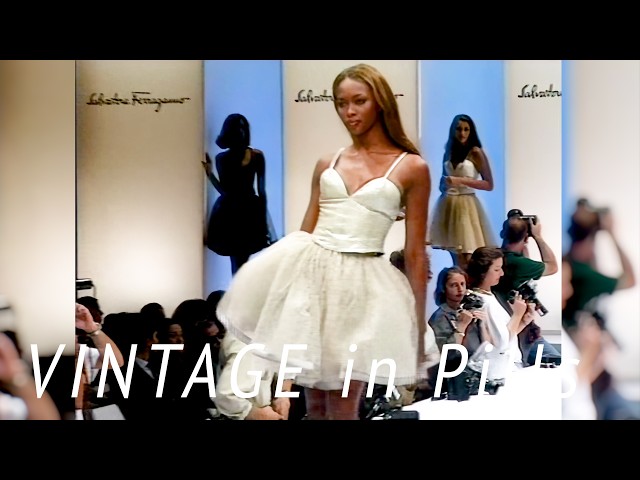
Fashion has always been a bit of a time machine, but lately it’s feeling especially nostalgic. Low-rise jeans, ballet flats, chunky headphones, and other Y2K-era staples keep making a comeback. Meanwhile, thrifted pieces and vintage style are still having a major moment. It’s less about chasing one perfect trend and more about mixing eras until the outfit feels like a personality test.
What’s interesting is that this wave of nostalgia isn’t just about looking cute in a throwback way. It’s also about comfort, identity, and resourcefulness. Shopping secondhand can feel more creative and more sustainable. Rewearing and restyling old pieces feels smart instead of boring. And in a world where everything changes so quickly, there’s something satisfying about wearing a jacket that has already lived a whole other life.
Fashion right now is a little like a group chat where everyone brings a different era and somehow it works. One person is giving 90s minimalist chic, someone else is serving maximalist glitter energy, and somehow both belong at the same brunch.
People are rethinking what success looks like
Another interesting shift happening around us is the way people define success. The old formula of “work nonstop, climb fast, buy things, repeat” is losing its grip for a lot of people. More folks are asking whether success should also include time, health, creativity, relationships, and peace of mind. Revolutionary, I know.
This change is showing up in career choices, side hustles, and even the way people talk about ambition online. The conversation has moved from “How do I get more?” to “How do I build something sustainable?” That might mean choosing a slower career path, prioritizing remote work, or building a business that leaves room for actual life outside the laptop.
It’s not that ambition disappeared. It just got more honest. People still want goals, but they also want dinner at a reasonable hour, time with friends, and enough energy left to enjoy the life they’re working for.
Community is becoming cooler again
For a while, it seemed like everything was about individual optimization: solo routines, self-improvement, personal branding, and doing life in a way that looked impressive from a distance. But lately, there’s been a real hunger for community. People are joining run clubs, book clubs, craft nights, neighborhood groups, co-working spaces, and all kinds of low-pressure social circles that feel more grounded than endless networking.
And thank goodness, because this feels like one of the healthiest trends around. Humans are social creatures, even the ones who pretend they’re too cool to text back. We want places where we can show up as ourselves without having to curate every detail. Whether it’s a recurring dinner with friends or a local volunteering group, community is making a comeback as something valuable, not optional.
There’s also something tender about people creating their own third places again. Not home, not work, but somewhere in between where life can unfold naturally. That’s where the good stuff happens: the inside jokes, the random recommendations, the friendships that start with “Wait, you like that too?”
Wellness is getting a reality check
Wellness used to be all green juice, perfect morning routines, and people on social media acting like life could be fixed with a $48 candle and a sunrise walk. These days, though, there’s a more grounded conversation happening. People are realizing that wellness isn’t just about buying products; it’s about what actually helps you feel okay.
That means better sleep, more movement that feels fun instead of punishing, less doomscrolling, and more honest conversations about mental health. It also means acknowledging that wellness can look different depending on your life, budget, and energy level. Sometimes wellness is a full workout. Sometimes it’s brushing your hair, drinking water, and answering one email before noon. Both count.
This shift feels refreshing because it strips away some of the pressure. You don’t have to become a completely different person to take care of yourself. You just have to pay attention to what genuinely supports you.
Why all of this feels so alive right now
When you zoom out, the interesting things happening around us right now all seem connected. We’re trying to make life feel more intentional, more human, and a little less exhausting. We’re using technology while worrying about its limits. We’re embracing nostalgia while trying to build something new. We’re craving community while still protecting our alone time. It’s a balancing act, and no one has the perfect blueprint.
Maybe that’s why this moment feels so full. Change doesn’t always arrive in one dramatic scene. Sometimes it comes in fragments: a new habit, a group chat, a thrifted outfit, an app that saves you ten minutes, a friend inviting you to something low-key that ends up being the best part of your week. Those little details add up.
And if you ask me, that’s what makes life interesting right now. Not that everything is polished or solved, but that so many people are actively reimagining what a good life can look like. There’s curiosity in the air. A little uncertainty, sure. But also creativity, softness, and a surprising amount of hope.
Which is pretty decent company for the moment we’re in.