


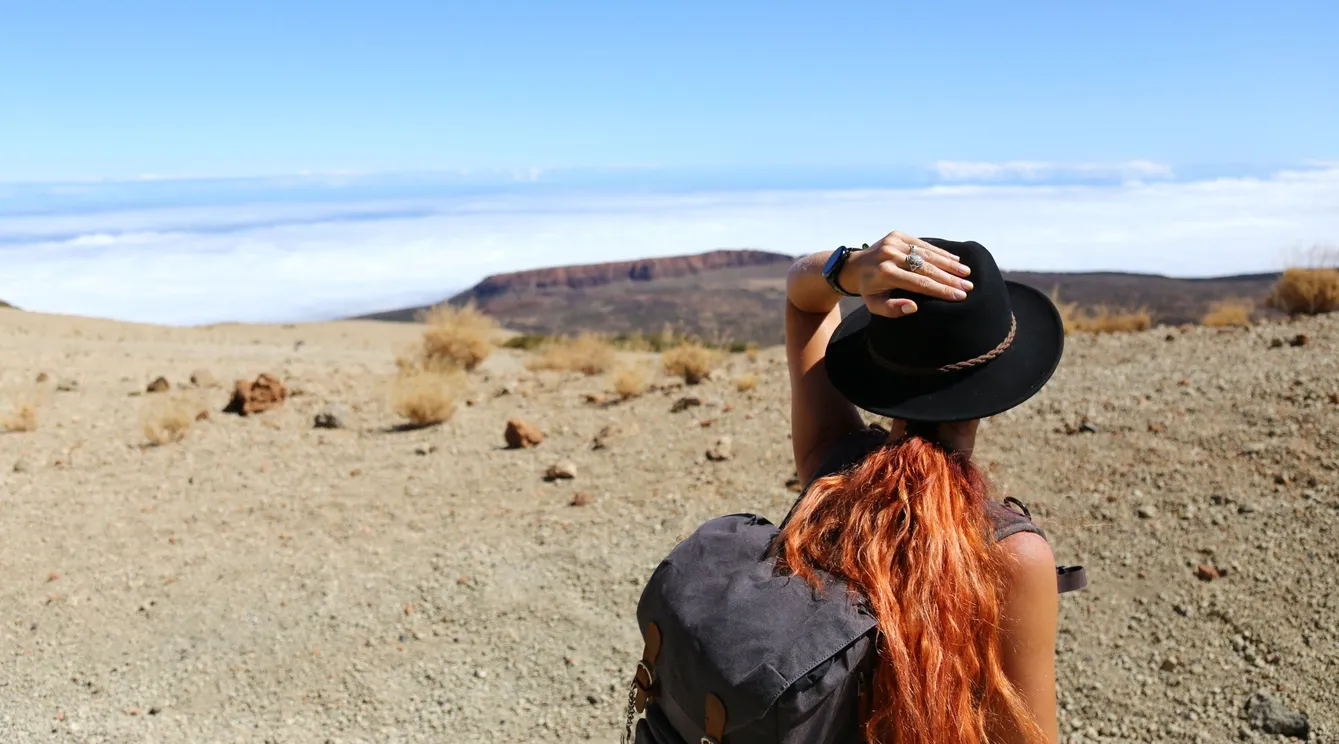
Solo travel can feel like a bold step, especially if you are used to making plans around other people’s schedules, preferences, and comfort zones. Yet there is something quietly powerful about choosing your own path for a while. When you travel alone, you are not just changing your scenery; you are also creating space to hear yourself more clearly, notice what restores you, and remember that your needs matter too.
For many people, the mental health benefits of solo travel are less about the destination and more about the experience of moving through the world with intention. A solo trip can offer relief from daily pressures, fresh perspective, and a gentle reminder that independence and support can coexist. It is not about escaping life entirely. It is about meeting yourself in a new way.
1. It helps quiet mental noise
Everyday life can become crowded with notifications, obligations, and other people’s expectations. Solo travel often creates a natural pause. Without constant conversation or decision-making by committee, your mind may begin to settle. The simple rhythm of walking through a new city, watching a train pass, or sitting in a café can become a form of active rest.
This quiet does not always arrive immediately. At first, you may notice how often your mind reaches for stimulation. But as the days unfold, many travelers find that mental noise softens. That quieter inner space can be deeply restorative, especially if you have been feeling overwhelmed or emotionally saturated.
2. It strengthens self-trust
One of the most meaningful gifts of solo travel is the chance to rely on yourself in manageable, real-world ways. You choose where to go, how to get there, what to eat, and when to rest. Each decision becomes a small act of self-trust. Over time, these decisions can add up to a stronger sense of inner confidence.
Self-trust is not built by perfection. It grows when you realize you can handle uncertainty, adjust plans, and keep going with grace. Even when something does not go as expected, you learn that you can respond calmly and recover. That knowledge can be profoundly reassuring long after the trip ends.
3. It encourages emotional clarity
Being alone in a new environment can make it easier to notice what you truly feel. When the usual routines and distractions fall away, emotions often become clearer. You may realize you have been carrying stress for longer than you thought, or that certain parts of your life need more attention, gentleness, or change.
Solo travel can support emotional clarity because it gives your thoughts room to breathe. Journaling, long walks, and quiet meals can help you reflect without pressure. You do not have to solve everything on the road. Sometimes the most healing thing is simply recognizing what is present.
4. It builds resilience in gentle, practical ways
Travel naturally includes small challenges: missed turns, language barriers, weather changes, delayed trains, or unfamiliar neighborhoods. When you travel alone, you meet these moments directly. While that may sound stressful, it can also be empowering. Each time you navigate a challenge, you strengthen your ability to stay grounded under pressure.
Resilience is not about forcing positivity. It is about staying connected to yourself when life feels uncertain. Solo travel offers many opportunities to practice that skill in low-stakes ways. You may learn how to pause, ask for help, change plans, or simply breathe through discomfort. These are deeply useful emotional tools.
5. It gives you permission to rest on your own terms
When you travel with others, there is often an unspoken rhythm to the day. You may go where the group wants to go, eat when others are hungry, or stay out longer than your body would prefer. Solo travel can free you from those compromises. You can move slowly, take an afternoon nap, linger over breakfast, or skip an activity without explanation.
This freedom can be especially healing for people who are used to people-pleasing or pushing through fatigue. Rest becomes less of a reward and more of a priority. That shift matters. Learning to honor your energy can support better mood, lower stress, and a more respectful relationship with yourself.
6. It can reduce feelings of comparison
It is easy to compare your life to other people’s lives, especially in a social world that constantly showcases polished moments. Solo travel can interrupt that habit. When you are focused on your own experience, you may feel less pulled into external narratives about what your life should look like.
There is also a quiet freedom in choosing your own pace and preferences without needing them validated. You might spend a day in a museum, take a long ferry ride, or simply sit in a park observing the world. When you are traveling alone, your choices can feel more authentic because they are not shaped by comparison or performance.
7. It deepens mindfulness
Solo travel often brings people into the present moment more naturally. When you are in a new place by yourself, you tend to notice details: the sound of footsteps on cobblestones, the scent of fresh bread, the color of evening light on a building. These small observations can pull you out of rumination and into embodied awareness.
Mindfulness does not require a perfect meditation practice. It can be as simple as drinking tea slowly, noticing your surroundings, or paying attention to your breath while waiting for a bus. Solo travel invites this kind of gentle presence. The world feels a little more vivid when you are not rushing through it.
8. It can reconnect you with your identity
In daily life, many people become defined by roles: employee, partner, parent, friend, caregiver. Those roles are meaningful, but they can sometimes overshadow the fuller sense of who you are. Traveling alone gives you a chance to step outside familiar labels and reconnect with your own preferences, rhythms, and curiosity.
You may rediscover that you love quiet mornings, art galleries, mountain air, or spontaneous detours. You may also notice what feels draining, what feels nourishing, and what no longer fits. These realizations can gently reshape how you show up in everyday life. Solo travel can be a mirror that reflects you back to yourself with more clarity and kindness.
9. It can create a lasting sense of empowerment
There is a special kind of confidence that comes from proving to yourself that you can do something unfamiliar. Planning a solo trip, navigating logistics, and moving through unknown places can leave you with a strong sense of capability. That feeling often lasts well beyond the trip itself.
Empowerment does not always look dramatic. Sometimes it looks like a quiet inner shift: I can do hard things. I can be with myself. I can trust my judgment. Those beliefs can support mental health in meaningful ways. They may help you take more aligned risks, advocate for your needs, and approach future challenges with steadier confidence.
What makes solo travel mentally restorative
Solo travel is not a cure-all, and it is not always easy. Some people may feel lonely, anxious, or overstimulated at times. That is completely normal. The mental health benefits often come from balancing challenge with care. A restorative solo trip usually includes a few simple anchors:
- Time to rest without guilt
- Flexible plans that allow for spontaneity and recovery
- Comfort rituals such as tea, journaling, or a favorite playlist
- Realistic expectations about energy, safety, and mood
- Moments of reflection rather than constant activity
When you travel with gentleness instead of pressure, the experience becomes more supportive. You do not need to fill every hour. In fact, the spacious moments are often where the deepest healing happens.
How to make a solo trip more supportive for your mental health
If you are considering solo travel, a thoughtful approach can help you feel more grounded. Preparing in advance does not remove all uncertainty, but it can create a steadier foundation.
- Choose a destination that matches your current energy. If you are feeling depleted, a quiet retreat may be more supportive than a fast-paced city break.
- Build in rest days. Even one unplanned afternoon can make the trip feel more spacious and humane.
- Share your itinerary with someone you trust, especially if you are traveling somewhere unfamiliar.
- Pack familiar comforts such as a journal, a book, calming tea, or comfortable clothes.
- Let yourself change your mind. A solo trip gives you permission to adjust plans based on how you actually feel.
These choices are not about controlling every detail. They are about creating enough support so that your nervous system can relax into the experience.
When solo travel may not feel right
It is important to acknowledge that solo travel is not the right fit for everyone at every stage of life. If you are navigating significant anxiety, trauma, grief, or a period of emotional instability, it may be more supportive to begin with smaller acts of independence. A day trip, a solo lunch, or a local overnight stay can offer many of the same benefits in a more contained way.
Listening to your own capacity is an act of wellness. The goal is not to prove anything. The goal is to choose experiences that help you feel more grounded, not more overwhelmed. With the right timing and support, solo travel can become a deeply nourishing part of your mental health practice.
A gentler way to see yourself
What makes solo travel so meaningful is not simply the freedom to go somewhere alone. It is the opportunity to meet your own mind with more patience, your own needs with more respect, and your own life with more curiosity. In the stillness between destinations, many people discover that they are more capable, more resilient, and more deserving of care than they realized.
You do not have to travel far to experience this shift. Even a modest solo journey can remind you that your inner life matters. And sometimes, that reminder is exactly what healing looks like.