


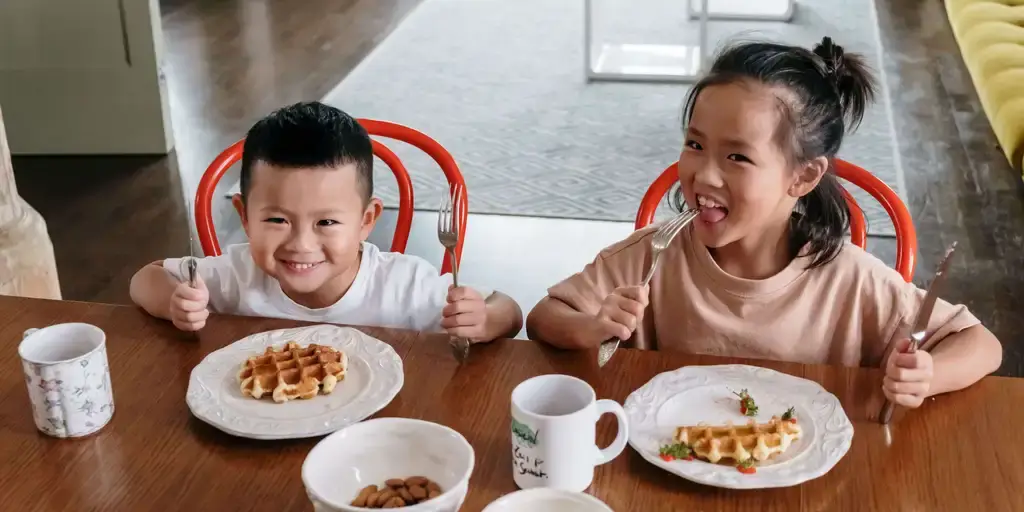
Helping children develop a healthy relationship with food is less about perfect meals and more about creating a calm, consistent rhythm around eating. When kids feel supported, included, and free from pressure, they are often more open to trying new foods and listening to their bodies. Healthy eating for children can be simple, nourishing, and even joyful when approached with patience and a sense of balance.
Why healthy eating matters in childhood
Children grow quickly, and their bodies and brains need steady nourishment to support energy, learning, mood, and development. A balanced pattern of eating can help kids feel more focused at school, more emotionally steady, and more physically resilient. Food is also deeply connected to family life, culture, and comfort, so the way meals are offered can shape how children relate to food for years to come.
Rather than aiming for an idealized diet, it helps to think in terms of variety and consistency. A child does not need every meal to be perfect. What matters more is the overall pattern across days and weeks: regular meals, enough protein, colorful fruits and vegetables, whole grains, healthy fats, and plenty of water.
Building a peaceful mealtime routine
Children often do best when they know what to expect. A gentle routine around meals and snacks can reduce grazing, limit stress, and help kids tune into hunger and fullness. This does not mean rigid rules. It means offering meals and snacks at regular times and keeping the atmosphere as relaxed as possible.
Try to keep mealtimes free from pressure when you can. Kids may eat more or less on different days, and that variation is normal. Encouraging children to eat while avoiding bargaining, bribing, or forcing can help them stay connected to their own appetite signals. A calm table often does more for healthy eating than any lecture ever could.
- Offer meals and snacks at predictable times.
- Keep distractions low when possible, especially during family meals.
- Let children decide how much to eat from what is offered.
- Model relaxed eating habits yourself.
What a balanced plate can look like
There is no single perfect meal for every child, but a balanced plate often includes a mix of carbohydrates, protein, fats, and fiber-rich foods. This combination helps children stay fuller for longer and supports steady energy throughout the day.
A simple way to think about meals is to include at least one food from each of these groups:
- Protein: eggs, yogurt, beans, lentils, chicken, fish, tofu, nut or seed butters
- Whole grains: oats, brown rice, whole wheat bread, quinoa, whole grain pasta
- Fruits and vegetables: fresh, frozen, roasted, raw, or blended into soups and smoothies
- Healthy fats: avocado, olive oil, nuts, seeds, cheese, nut butters
For example, breakfast might be oatmeal topped with berries and yogurt. Lunch could be a turkey or hummus sandwich with sliced cucumber and fruit. Dinner might be salmon, rice, and roasted carrots. These meals do not need to look fancy. They simply need to be nourishing and familiar enough for children to feel comfortable.
Making fruits and vegetables more approachable
Many parents worry when children resist vegetables, but this is very common. Taste preferences are still developing, and repeated exposure often matters more than persuasion. Some children need to see a food many times before they are willing to try it. The key is to keep offering without turning the experience into a battle.
It can help to present fruits and vegetables in different ways. A child who dislikes raw carrots may enjoy them roasted. A child who ignores spinach might accept it blended into a smoothie or folded into pasta sauce. Small portions can also feel less overwhelming than a full plate.
Children are often more interested in foods they helped prepare. Washing berries, stirring batter, arranging veggie sticks, or choosing between two vegetables at the store can build familiarity and curiosity. When kids feel involved, healthy foods can become less intimidating and more engaging.
Snacks that support steady energy
Snacks are not a sign of poor eating habits. For many children, they are a normal and helpful part of the day. The most satisfying snacks usually combine at least two food groups, such as a carbohydrate with protein or fat. This helps prevent quick energy crashes and supports better focus between meals.
- Apple slices with peanut butter
- Greek yogurt with berries
- Whole grain crackers with cheese
- Carrot sticks with hummus
- Banana with sunflower seed butter
- Trail mix made with nuts, seeds, and dried fruit
It can be useful to keep snacks simple and easy to access. Children are more likely to choose nourishing options when those foods are visible and ready to eat. If possible, stock a few dependable snack choices that can be rotated through the week.
Helpful ways to support picky eating
Picky eating can be exhausting, especially when you are trying to meet a child’s nutritional needs while also protecting family peace. A gentle approach often works better than pressure. Children are more likely to expand their food choices when meals feel safe and predictable.
One useful idea is the division of responsibility: adults decide what food is offered, when meals happen, and where food is eaten. Children decide whether to eat and how much. This approach respects a child’s appetite while still giving parents structure. It can reduce power struggles and help meals feel more neutral.
Other supportive strategies include:
- Offering one preferred food alongside one or two new or less familiar foods
- Serving small portions of new foods without expectation
- Reintroducing foods many times in different forms
- Avoiding comments like “just one bite” or “you have to finish it”
- Staying neutral when a child refuses a food
Progress may be slow, and that is okay. A child who sniffs, touches, or licks a food is already engaging with it. Small steps count. Over time, repeated calm exposure can build trust and flexibility around eating.
How to handle sweets and treats without guilt
Children do not need to be shielded from all sweets to learn healthy habits. In fact, when treats are treated as forbidden, they can become more exciting and emotionally loaded. A balanced approach allows room for enjoyment without making dessert feel like a reward for being “good.”
Including sweets occasionally, without shame, helps children learn that all foods can fit into a healthy pattern. The goal is not to create fear around sugar, but to teach moderation and mindfulness. When treats are part of a broader routine filled with nourishing foods, they lose some of their power to create urgency or obsession.
You might serve dessert alongside dinner sometimes, or offer a sweet snack after school with something more filling. This can help children feel less deprived and more relaxed around food. The message becomes clear: food is not a moral issue. It is something to enjoy, notice, and use to care for the body.
Hydration and everyday habits
Water is often overlooked, yet it plays an important role in energy, digestion, and concentration. Many children benefit from having water available throughout the day, especially if they are active or the weather is warm. A reusable water bottle can make hydration feel more natural and accessible.
Limiting sugary drinks is also helpful, though the approach does not need to be extreme. Juice and flavored drinks can fit sometimes, but water and milk are usually the most practical everyday options. As with food, modeling matters. If children see adults reaching for water regularly, they are more likely to do the same.
Sleep, movement, and stress levels all influence appetite too. A child who is overtired or overstimulated may seem picky or not hungry, when in reality their body is simply out of rhythm. Supporting healthy eating often means supporting the whole child, not just the plate in front of them.
Getting kids involved in the kitchen
Children often feel more confident around food when they have a role in making it. Kitchen tasks can be age appropriate and surprisingly simple. Young children can rinse produce, tear lettuce, stir ingredients, or set napkins on the table. Older children may chop with supervision, measure ingredients, or help plan a meal.
Cooking together also creates a chance to talk about food in a light, curious way. You might ask, “What color should we add next?” or “Would you like to smell the herbs?” These small invitations can make healthy eating feel playful rather than corrective. The goal is not culinary perfection. It is connection, familiarity, and confidence.
Talking about food in a healthy way
Children absorb a great deal from the language adults use around food and bodies. Comments about calories, weight, or “bad” foods can create confusion and unnecessary anxiety. A more grounded approach is to talk about food in terms of what it does for the body, how it tastes, and how it fits into daily life.
For example, you might say that carrots help support vision, yogurt gives the body protein and calcium, or oatmeal provides steady energy. At the same time, it is helpful to avoid labeling foods as always good or always bad. This keeps the focus on nourishment rather than shame.
Children also benefit from hearing that eating is flexible. Some days they may be hungrier than others. Some days they may want more bread and less vegetables. That does not mean anything is wrong. Trust grows when kids learn that bodies change and needs change too.
When to seek extra support
Most picky eating is a normal part of childhood, but there are times when additional support may be helpful. If a child has very limited food choices, strong anxiety about eating, trouble gaining weight, frequent choking or gagging, or significant distress around meals, it may be wise to speak with a pediatrician or a registered dietitian. Early support can make a meaningful difference.
It is also worth reaching out if mealtimes have become consistently tense or if you feel overwhelmed by the responsibility of feeding your child. Support for parents matters too. Feeding children is emotional work, and it is okay to ask for help.
Healthy eating for kids is not about creating a flawless menu or controlling every bite. It is about nurturing trust, variety, and steadiness over time. When meals are offered with patience, warmth, and consistency, children have a better chance to grow into adults who can care for themselves with confidence and ease. Small, thoughtful choices repeated often are what build lasting habits, and those habits are most sustainable when they feel supportive rather than strict.