
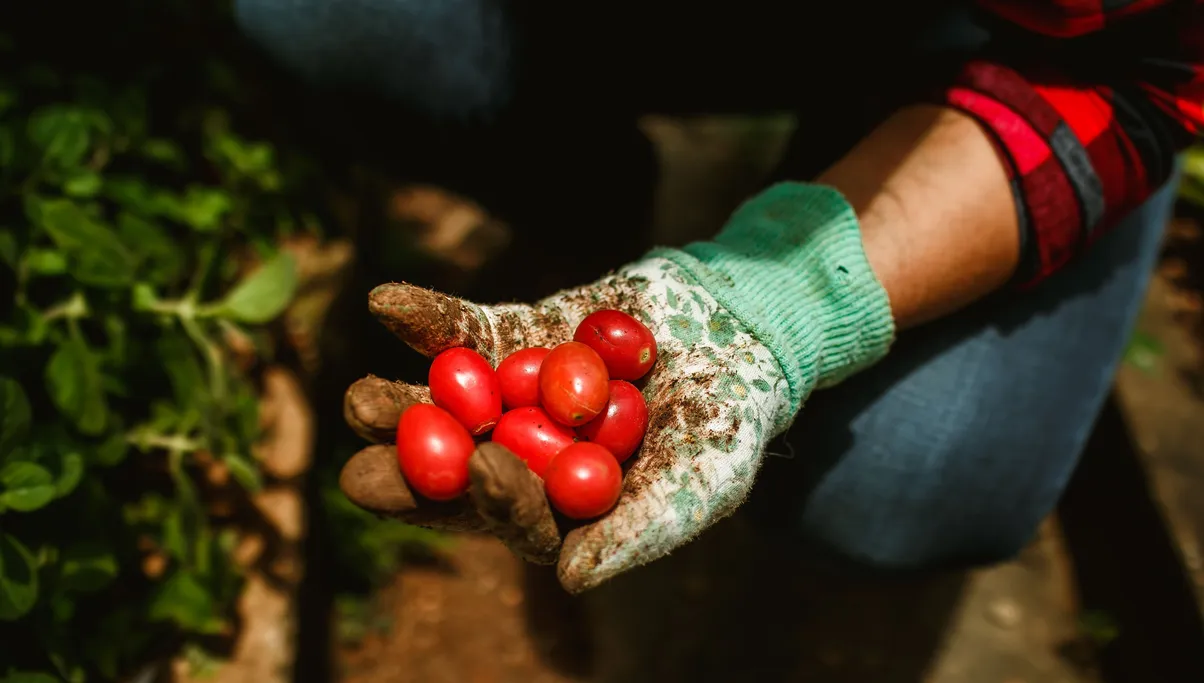
Why Growing Your Own Food Feels So Good
There’s something undeniably satisfying about stepping outside, snipping a handful of basil, and turning it into dinner like you’re the star of your own cozy cooking show. In a world where everything feels one tap away, growing your own produce brings back a little magic: patience, care, and the thrill of watching something delicious happen slowly. It’s giving main character energy, but with dirt under your nails and a basket of tomatoes instead of a red-carpet clutch.
Whether you’ve got a sprawling backyard, a tiny patio, or just a sunny windowsill, you can cultivate a beautiful harvest that tastes better, looks prettier, and feels more personal than anything wrapped in plastic from the grocery store. The best part? You don’t need to be a botanical genius to get started. You just need a few smart choices, a little consistency, and the willingness to learn as you go.
Start With Crops That Actually Want to Cooperate
If you’re new to gardening, think of your first crops like the cast of a feel-good ensemble movie: choose dependable stars that get along well and don’t require dramatic plot twists to thrive. Some plants are famously easygoing, and they’ll reward your efforts without demanding a full-time commitment.
Beginner-friendly favorites include:
- Leafy greens like lettuce, spinach, and arugula, which grow quickly and can be harvested multiple times.
- Herbs such as basil, mint, parsley, and chives, perfect for small spaces and instant flavor upgrades.
- Cherry tomatoes, which are basically the rom-com leads of the garden world: charming, productive, and hard not to love.
- Radishes, one of the fastest crops to mature and incredibly satisfying when you want near-instant results.
- Zucchini, famous for being generous to a fault once it gets going.
Pick crops you already enjoy eating. If you love Caprese salads, basil and tomatoes are a no-brainer. If you’re always adding herbs to your pasta, grow those first. Gardening is much easier when the payoff is already on your dream menu.
Location Is Everything: Find the Sweet Spot
Plants are picky in the same way celebrities are picky about lighting: the right setting changes everything. Most fruits and vegetables want plenty of sunshine, ideally six to eight hours a day. Watch your space at different times to see where sunlight actually lands. That corner that looks bright at brunch might be in full shade by 3 p.m., and plants will absolutely notice.
If you’re working with limited space, containers are your best friend. They’re flexible, stylish, and easy to move around like a wardrobe change between scenes. Use pots with drainage holes, and choose containers large enough for the root systems of whatever you’re growing. A tomato plant in a tiny pot is basically asking for a meltdown.
For apartment dwellers or balcony gardeners, vertical growing can be a total game changer. Hanging planters, wall-mounted pockets, and stacked containers let you maximize space while creating a lush look that feels almost editorial. It’s a little city-garden chic, a little rooftop-afterparty vibe.
Healthy Soil Is the Real MVP
Good soil is the backstage crew that makes the whole show possible. You might not see it stealing the spotlight, but it’s doing the heavy lifting underneath. Nutrient-rich, well-draining soil helps roots breathe, absorb water, and grow strong enough to support a full harvest.
If you’re planting in the ground, mix in compost to improve texture and fertility. If you’re using containers, start with high-quality potting mix rather than garden soil, which can be too dense for pots. Compost, worm castings, and organic matter are the natural glow-up your plants will thank you for later.
Also, don’t underestimate the power of mulching. A layer of straw, shredded leaves, or bark chips helps retain moisture and reduce weeds. Think of it as the garden’s version of a sleek trench coat: functional, protective, and effortlessly polished.
Water Like You Mean It, But Don’t Overdo the Drama
Watering is where a lot of new gardeners get nervous, but the rule is simpler than it sounds: keep soil consistently moist, not soaked. Overwatering can be just as harmful as forgetting entirely. Roots need oxygen, and soggy soil can leave them feeling trapped in a bad situation.
A good trick is to check the top inch of soil with your finger. If it feels dry, it’s time to water. If it’s still damp, wait a bit. Early morning is usually the best time to water because plants can absorb moisture before the heat of the day kicks in. Plus, it’s the calm-before-the-chaos vibe that gardens love.
For container plants, water more frequently, especially during hot spells. Pots dry out faster than in-ground beds, and hanging baskets can be extra thirsty. If you’ve ever seen a basil plant droop like it’s in the final scene of a tearjerker, it probably just needed a drink.
Feed Your Garden So It Can Feed You
Plants need nutrients to keep producing, especially if you’re harvesting regularly. Think of fertilizer as the playlist that keeps the whole operation energized. A balanced organic fertilizer can support growth without overcomplicating things, especially for beginners.
Different crops have different appetites. Leafy greens often benefit from gentle, nitrogen-rich feeding, while tomatoes and peppers usually need a little extra support once they start flowering and fruiting. Follow package directions and avoid the temptation to over-fertilize. More is not always more, despite what certain celebrity skincare routines might suggest.
If you want a low-fuss approach, compost tea or diluted organic feed can give your plants a boost in a way that feels more slow-and-steady than high-drama makeover montage.
Keep an Eye Out for Pests and Problems
No garden is totally immune to pests, but the good news is that many issues can be managed without turning your yard into a battlefield. Aphids, slugs, caterpillars, and fungus gnats are common garden troublemakers, but early detection makes all the difference.
Check leaves regularly, especially the undersides, where pests like to hide like paparazzi behind a velvet rope. If you catch a problem early, you can often remove affected leaves, spray plants with water, or use insecticidal soap or neem oil for gentle control.
Healthy plants are also more resilient, so the basics matter: proper spacing, good airflow, and watering at the soil line instead of drenching the leaves. Wet foliage can encourage disease, and no one wants a fungal plot twist.
Harvest at the Right Moment for Maximum Wow Factor
One of the most rewarding parts of gardening is knowing when to harvest. Pick too early, and you miss out on flavor. Wait too long, and some crops lose tenderness or become overly mature. Timing is everything, like catching the perfect concert encore.
Leafy greens can often be harvested by taking outer leaves first, allowing the plant to keep producing. Herbs are usually best when snipped regularly, which encourages bushier growth. Tomatoes should be picked when they’re fully colored and slightly soft to the touch. Zucchini tastes best when it’s still young and tender, even if it feels counterintuitive to harvest something small when you expected a giant garden trophy.
Use clean scissors or garden snips, and handle produce gently to avoid bruising. Fresh-picked food is gorgeous, yes, but it’s also delicate. Treat it like backstage couture.
Make the Most of Your Beautiful Harvest
Once you’ve gathered your produce, the fun really begins. Garden-fresh ingredients can transform the most ordinary meal into something that feels like it came from a trendy neighborhood bistro. Toss lettuce with olive oil and lemon. Add basil to pasta. Roast tomatoes until they’re jammy and sweet. Scatter chopped herbs over eggs, grain bowls, pizza, or grilled vegetables.
You can also preserve the abundance if your garden goes full chart-topper. Freeze herbs in olive oil, dry parsley and mint, or make quick pickles from cucumbers and radishes. If you’ve got more tomatoes than you know what to do with, sauce season is basically your time to shine.
And don’t forget the visual pleasure. A basket of mixed greens, jewel-toned tomatoes, and bright herbs looks as beautiful on the table as it does in the garden. Your harvest becomes part of the atmosphere, the kind of detail that makes dinner feel intentional and memorable. It’s the culinary equivalent of a perfectly styled outfit: effortless, colorful, and impossible not to admire.
Grow a Garden That Fits Your Life
The real secret to a successful garden is not perfection. It’s consistency, curiosity, and a willingness to enjoy the process. Some seasons will be abundant, others a little messy. A few plants may thrive while others flop like a canceled reality show. That’s all part of it.
What matters is building a space that feels rewarding to tend and exciting to eat from. Start small, learn what works in your climate, and let each season teach you something new. Before long, you’ll have a rhythm: sow, water, harvest, cook, repeat. And honestly, that’s a pretty iconic life cycle.
From garden to table, growing your own food turns everyday meals into something richer, fresher, and more personal. It’s not just about saving money or impressing guests, though both are nice perks. It’s about reconnecting with the simple joy of creating something beautiful that nourishes you in every sense.