


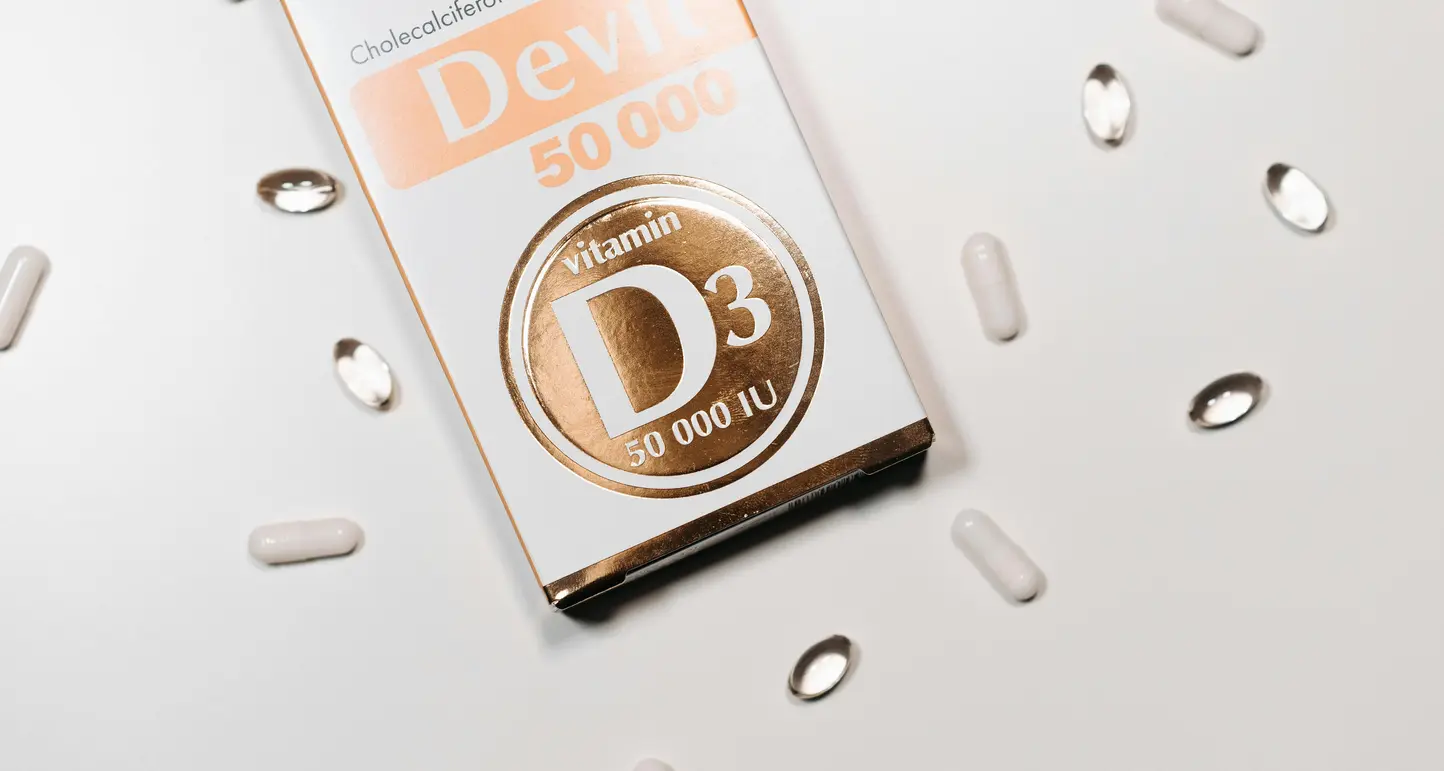
In the world of vitamins and supplements, Vitamin D stands out for its significant role in maintaining overall health. But when it comes to Vitamin D, there are two primary forms that you might encounter: D2, known as ergocalciferol, and D3, or cholecalciferol. Understanding the differences between these two forms can help you make an informed decision on what might be best for your health needs.
The Role of Vitamin D in the Body
Vitamin D is crucial for several body functions, with one of its main roles being the regulation of calcium and phosphorus levels in the blood, promoting healthy bones and teeth. It also supports immune health, muscle function, and brain cell activity, making it an essential nutrient.
Understanding Vitamin D2 and D3
Both Vitamin D2 and D3 are precursors to the active form of Vitamin D in the body, but they differ in structure and sources.
- Vitamin D2 (Ergocalciferol): This form is typically found in plant sources and fungi. It’s often used in fortified foods and can be a suitable option for vegetarians.
- Vitamin D3 (Cholecalciferol): Derived from animal sources, D3 is produced naturally in the skin in response to sunlight exposure. It’s also found in fatty fish, cod liver oil, and egg yolks.
Efficacy: D2 vs. D3
When considering efficacy, research indicates that Vitamin D3 might be more effective than D2 in raising and maintaining sustainable levels of Vitamin D in the blood.
- A significant study found that individuals taking vitamin D3 had superior efficacy in raising serum 25-hydroxyvitamin D concentrations compared to those taking Vitamin D2.
- The conversion rate of D3 to the active form of Vitamin D is generally more efficient, which may contribute to its greater efficacy.
Choosing Between D2 and D3
When deciding between D2 and D3, several factors should be considered:
- Dietary Preferences: For those following a vegetarian or vegan diet, Vitamin D2 could be preferred due to its plant-based origin.
- Sunlight Exposure: Individuals with limited exposure to sunlight may benefit more from Vitamin D3 supplements, which mimic the natural production process in the skin.
- Health Conditions: Certain medical conditions might influence the body’s ability to convert or absorb different forms of Vitamin D, making professional healthcare guidance essential.
Health Impacts of Vitamin D Levels
Suboptimal levels of Vitamin D are associated with a number of health issues such as bone diseases, increased susceptibility to infection, mood disorders, and in some cases, severe deficiency might lead to rickets in children or osteomalacia in adults.
Ensuring adequate intake of Vitamin D, whether from food, supplements, or responsible sun exposure, is vital for maintaining optimal health.
Final Considerations
Ultimately, whether to choose D2 or D3 depends on individual lifestyle, dietary restrictions, and personal health goals. If unsure, linking up with a healthcare provider can offer insights tailored to specific needs and conditions.
Focusing on maintaining balanced Vitamin D levels can lead to improved health outcomes, supporting everything from skeletal health to immune defense systems.