

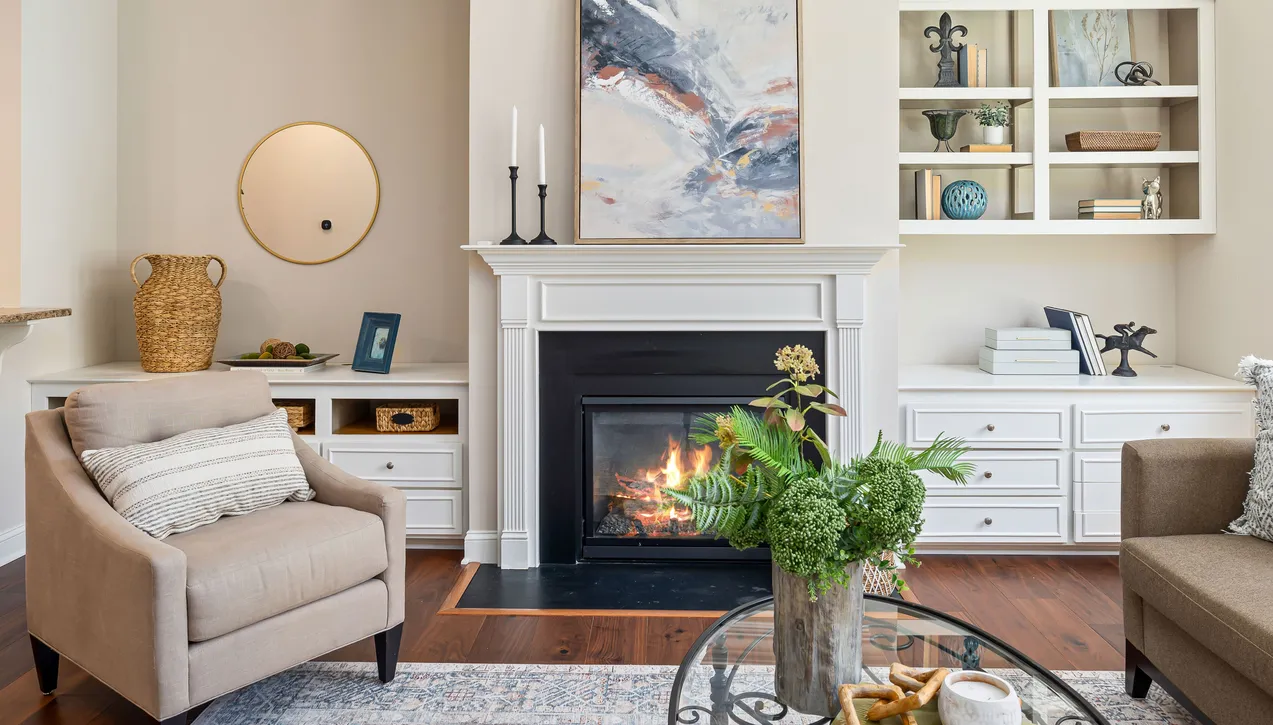
There is a particular kind of magic that happens when a home begins to feel like a soft landing. Not just tidy, not just stylish, but genuinely restful—the kind of place where your shoulders drop the moment you step inside. In a world that seems to move at the speed of a crowded train platform, the home can become a quiet harbor: warm light pooling in corners, familiar textures under your fingertips, and the gentle hush that tells your nervous system it can exhale.
Creating that feeling does not require a complete renovation or a designer budget. Often, it is the smallest choices that shape the mood of a room: the way light filters through a curtain, the scent that drifts from the kitchen, the chair that invites you to stay a while. Here are fifteen simple ways to turn everyday spaces into a cozy, calm, and stress-free retreat.
1. Let Natural Light Do the Heavy Lifting
Sunlight has a remarkable way of changing the emotional temperature of a room. In the morning, it can make a kitchen feel fresh and hopeful; by late afternoon, it turns a living room into a golden sanctuary. Pull back heavy curtains, clean the windows, and let the daylight travel freely through your home.
If your space does not receive much sun, choose light-filtering curtains in soft tones such as ivory, sand, or misty gray. They can create the impression of airiness even on cloudy days. A room that feels bright is often a room that feels lighter in spirit.
2. Build a Soft, Layered Lighting Scheme
Harsh overhead lighting can make even the loveliest room feel clinical. Instead, think in layers: a lamp by the sofa, a warm bulb in the hallway, a small light near the bed, perhaps even a candle flickering on a side table. Layered lighting creates depth and intimacy, like the glow from windows on a quiet street at dusk.
Choose bulbs with warm color temperatures rather than cool white light. The difference is subtle but powerful. Warm light gives rooms a gentle, lived-in atmosphere that feels more like an evening café than an office.
3. Bring in Natural Textures
There is something deeply grounding about materials that feel connected to the earth. Wood, woven baskets, cotton, linen, wool, ceramics, and stone all bring a tactile richness that softens a space. These textures add warmth without cluttering the eye.
Try a chunky knit throw across the back of a chair, a woven tray on a coffee table, or a ceramic bowl that catches your keys by the door. These small details create a home that feels layered and human, not polished to the point of sterility.
4. Keep a Few Favorite Objects in View
A stress-free home is not one that looks untouched; it is one that reflects the life lived inside it. Instead of filling shelves with too many objects, choose a few meaningful pieces to display. A framed photograph, a shell from a seaside walk, a vase from a local market, a stack of beloved books—these are the details that give a room its soul.
When a home holds items that carry memory and emotion, it becomes more than a backdrop. It becomes a map of your life, quietly telling your story.
5. Use Scent to Set the Mood
Scent is one of the fastest ways to shift a room’s atmosphere. Lavender can make a bedroom feel like a countryside retreat. Citrus can brighten a kitchen. Cedar, sandalwood, and vanilla bring an enveloping warmth that feels especially comforting on rainy days.
You do not need a complicated ritual. A diffuser, a candle, a simmer pot of citrus peels and herbs, or a sprig of eucalyptus in the shower can all create a subtle sense of ease. The key is to choose scents that feel soothing rather than overpowering, like a breeze carrying fragrance from a garden you cannot quite see.
6. Clear the Visual Noise
Clutter is not simply about mess; it is about the number of things asking for your attention at once. When surfaces are crowded and corners overflow, the mind often feels just as busy. Clearing visual noise can be as calming as closing a window against city traffic.
Start with the surfaces you look at most: the kitchen counter, bedside table, entryway, and coffee table. Keep only the items you use regularly or truly love. A calmer home usually begins with a few decisive edits rather than a full-scale overhaul.
7. Create a Gentle Landing Zone by the Door
The entryway sets the emotional tone for the entire home. If it is chaotic, the rest of the house often feels that way too. If it is orderly and welcoming, you feel it immediately. A small bench, a hook for coats, a tray for keys, and a basket for shoes can transform the everyday act of coming home into something serene.
Think of this spot as a pause between the outside world and your private space. Even a tiny nook can become a ritual of arrival, a place where the day is allowed to loosen its grip.
8. Bring in Soft Furnishings That Invite Rest
Nothing says cozy quite like textiles that invite touch. Throws, cushions, rugs, and upholstered seating can make a room feel as though it is wrapping itself around you. Look for fabrics that feel pleasant against the skin and colors that soothe rather than stimulate.
Muted greens, warm neutrals, dusty blues, and earthy browns often work beautifully in spaces meant for relaxation. A rug underfoot can quiet the room both visually and acoustically, while a well-placed cushion can make even a simple chair feel like a favorite reading spot.
9. Make Space for Slower Rituals
A calm home is not only about how it looks; it is also about how it is used. When you create room for slow rituals, the house begins to support a more peaceful rhythm. Maybe it is a morning cup of tea by the window, a five-minute stretch in the living room, or an evening routine of turning down the lights and putting on music.
These moments do not need to be elaborate. Their power lies in their repetition. Over time, they become signals that the pace is shifting, like the changing cadence of footsteps on a quiet street after rush hour has passed.
10. Choose a Calming Color Palette
Color influences mood more than we often realize. Bright, high-contrast schemes can feel lively and energetic, but for a more restful atmosphere, softer shades often work best. Think of colors drawn from nature: fog gray, moss green, oat, clay, sea glass, and pale blue.
You do not need to repaint the entire home. Even small accents such as pillow covers, table linens, or art prints can introduce a more tranquil palette. When colors harmonize, the eye can rest, and the whole space seems to breathe more easily.
11. Let Greenery Bring Life Indoors
Plants have a quiet, restorative power. They soften sharp corners, add movement, and lend a sense of being connected to something living and growing. Even one healthy plant can change the atmosphere of a room, making it feel less static and more alive.
If you are not confident with plant care, start with something forgiving such as pothos, snake plant, or a hardy fern. If you prefer fresh flowers, even a modest bunch from the market can brighten a table like a little burst of weather from the garden.
12. Reduce Noise Where You Can
Sound plays a major role in how restful a home feels. A humming appliance, a television left on in the background, or echoes from bare floors can make a room feel more restless than it appears. Softening sound can be surprisingly transformative.
Rugs, curtains, upholstered furniture, and even bookshelves can absorb noise and make a room feel quieter. Consider replacing constant background noise with something more intentional: a playlist of gentle music, the sound of rain, or simply the pleasure of silence. In a calm home, quiet is not empty; it is spacious.
13. Make Your Bed Feel Like a Sanctuary
The bedroom is often where the day begins and ends, which makes the bed one of the most important anchors in the home. Crisp sheets, a supportive pillow, and a blanket that feels comforting can turn sleep into an experience rather than a necessity.
Layer the bed with textures that invite rest. A cotton duvet, a soft throw at the foot, and pillows in varying sizes can create a sense of abundance without excess. When the bed feels welcoming, the room becomes a place of recovery, not just sleep.
14. Keep Cleaning Routines Small and Manageable
A home feels calmer when cleaning does not become a looming mountain. Instead of waiting for a full day of chores, build a few simple habits into daily life. Wipe counters after cooking, return items to their places before bed, and take five minutes to reset one room at a time.
Small routines prevent stress from accumulating. They also make the home easier to enjoy because less energy is spent catching up. The aim is not perfection; it is ease. A home that can be maintained without constant struggle is one that supports you instead of draining you.
15. Leave Room for Imperfection
Perhaps the most important ingredient in a cozy, stress-free home is permission to be imperfect. A well-loved blanket may not fold into a crisp rectangle. A bookshelf may hold a slightly crooked stack. A dinner table may still have crumbs after an evening with friends. These are not failures; they are signs of life.
When a home is allowed to feel inhabited rather than staged, it becomes gentler to live in. The pressure to make everything flawless often creates more tension than the imperfections themselves. A truly cozy home embraces a little looseness, a little softness, and the comforting truth that beauty often lives in the unpolished edges.
In the end, a calm home is less about following rules and more about noticing what helps you breathe more deeply. It might be the amber glow of a lamp, the hush of a rug underfoot, or the scent of tea drifting through the evening air. Piece by piece, these choices shape a home that feels like a refuge from the rush of the world—a place where comfort is not accidental, but thoughtfully made.