

The Joy of Giving: A Deeper Connection
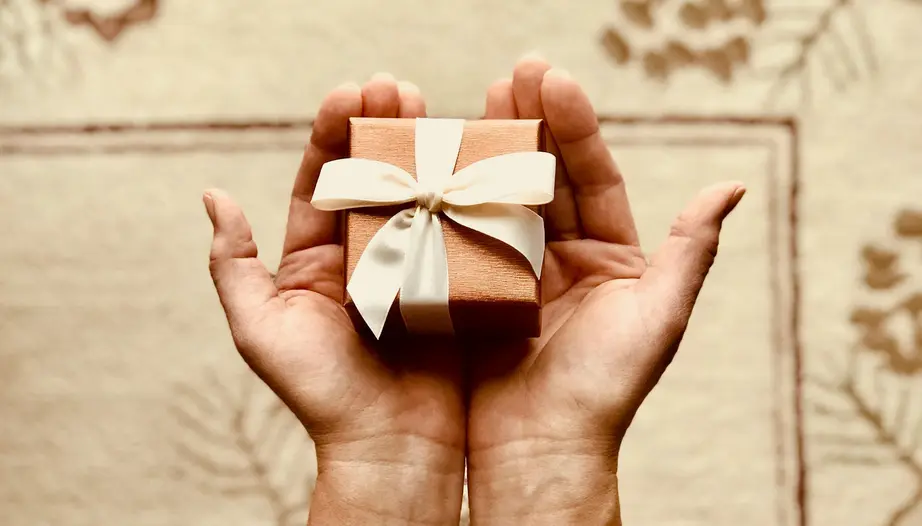
Many individuals find immense joy in offering gifts to others rather than receiving them. This inclination could be traced back to the act of fostering connections. When we give, we are engaging in an act of expressing love or appreciation, which helps in strengthening bonds with the people around us. This interaction can be incredibly rewarding, offering a sense of shared happiness and a deeper connection.
A Reflection of Generosity and Compassion
Giving gifts allows us to express our generous spirit and compassion. It is fundamentally an act of selflessness — putting someone else’s happiness before our own. This altruistic behavior is often driven by empathy and the desire to make a positive impact on someone’s life. For many, the idea that their thoughtful gesture could brighten someone else’s day is more fulfilling than any material possession they might receive.
Psychological Benefits of Giving
Numerous studies indicate that the act of giving can lead to increased levels of happiness and satisfaction. This phenomenon, often termed as the “helper’s high,” explains how providing gifts can enhance one’s mood and overall well-being. Giving gifts releases endorphins, promoting a sense of happiness, and reducing stress levels. This psychological boost from giving can be so profound that some individuals develop a preference for it over receiving gifts.
A Matter of Control and Personalization
When giving gifts, we have complete control over what we offer — the ability to tailor and personalize a gift to suit the recipient is a creative and thoughtful process. This autonomy allows one to reflect on the interests and passions of the recipient, leading to a more meaningful gift exchange. The anticipation of the recipient’s reaction to a carefully selected gift can be a delightful experience in itself.
Cultural and Social Influences
Cultural backgrounds and societal norms also play a significant role in shaping attitudes toward giving and receiving. In many cultures, gift-giving is an esteemed tradition, often playing a central role in celebrations and ceremonies. These social practices teach individuals the value of giving from a young age, promoting the idea that giving is not only a sign of respect but also a vital part of community building.
The Reciprocity of Kindness
There is an inherent cycle of kindness in gift-giving. When we give, we often receive something non-tangible in return, such as a feeling of gratitude or a strengthened relationship, which can be more valuable than material gifts. The reciprocity embedded in acts of kindness fosters an environment of goodwill and mutual appreciation among individuals and communities.
Understanding Different Love Languages
According to the concept of ‘love languages’ popularized by Dr. Gary Chapman, people express and receive love in different ways, one of which is gift-giving. For some, giving gifts is a natural expression of affection and love. Identifying with gift-giving as a love language means that the act conveys far more than just the gift itself — it represents a tangible symbol of one’s feelings.
Nurturing Self-Worth and Confidence
For some individuals, their capacity to give gifts enhances their self-esteem and sense of worth. Being able to provide for others can be a source of pride and strengthen one’s identity as a generous person. It instills a sense of purpose and confidence, reinforcing the positive self-perception as a nurturer and provider within their social circle.
Positive Impact on Relationships
Giving gifts often brings people closer together. It opens up opportunities for dialogue and communication while fostering environments where appreciation and gratitude are mutually expressed. Whether it’s a token of apology, a celebration of achievement, or just a gesture of thoughtfulness, gifts serve as conversation starters and relationship enhancers.
The Role of Tradition and Ritual
Gift-giving practices are also steeped in tradition and ritual, holding significant importance in holidays and special occasions. These traditions often dictate certain expectations around gift-giving behaviors, reinforcing the habit and importance of giving throughout one’s life. Celebrations like birthdays, weddings, and holidays provide the perfect occasions to embrace the joy of giving as part of cultural practice.
Conclusion: A Cycle of Giving and Happiness
Ultimately, the preference for giving over receiving gifts is deeply personal and varies from individual to individual. Whether it stems from cultural influences, psychological benefits, or a deep-seated desire to maintain strong personal relationships, the joy of giving inevitably cultivates happiness not only for the recipient but also for the giver. This cycle of giving and receiving happiness enriches our lives and underscores the human need for connection, empathy, and shared joy.