

What is Japanese Cheesecake?
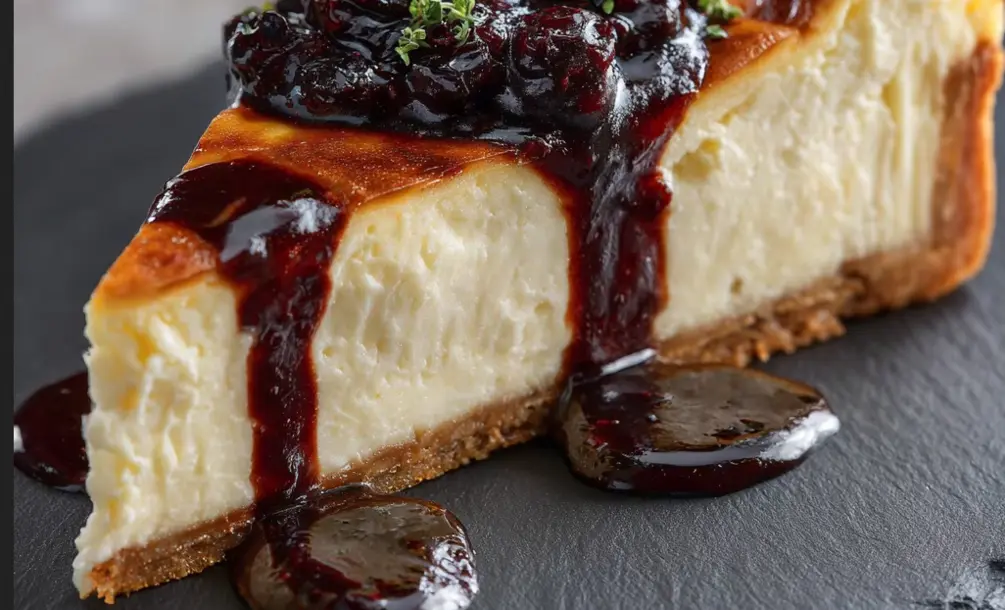
Japanese cheesecake, also known as soufflé cheesecake or cotton cheesecake, is a delightful dessert that has taken the world by storm with its unique texture and flavor. Unlike its richer, denser American counterpart, Japanese cheesecake is light, airy, and has a subtle sweetness that makes it irresistible. Its texture is similar to a soufflé, which is achieved by folding meringue into the cream cheese batter, creating a bouncy and fluffy cake that melts in your mouth.
The Rise to Viral Fame
The rise of Japanese cheesecake’s popularity can be attributed to viral videos shared across social media platforms like TikTok, Instagram, and YouTube. These videos capture the jiggle of the freshly baked cake, showing off its lightweight and airy structure. Coupled with its beautiful golden-brown top and the pure enjoyment seen on people’s faces as they take their first bite, it’s no wonder this dessert has captured the hearts of millions worldwide.
In addition to social media influence, many specialty bakeries globally have started offering Japanese cheesecake as a premium product, contributing further to its growth in popularity. This demand has encouraged home bakers to try their hand at crafting this delicate cake, further fueling its viral status.
Key Ingredients
The ingredients used in a traditional Japanese cheesecake are quite simple, yet each plays a crucial role in its unique texture and flavor profile:
- Cream Cheese: The base of the cheesecake, providing a rich and creamy flavor.
- Eggs: Separated into yolks and whites; the whites are beaten into a meringue that gives the cake its signature light texture.
- Milk: Adds moisture and aids in creating a smooth batter.
- Butter: A small amount of butter adds richness.
- Sugar: Introduces sweetness and helps stabilize the meringue.
- Lemon Juice: Offers a hint of tartness that balances the sweet and creamy flavors.
- Flour and Cornstarch: These help to hold the structure without making the cake dense.
Making Your Own Japanese Cheesecake
Creating the perfect Japanese cheesecake at home might seem daunting, but with the right steps and a little patience, you can achieve the iconic wobble:
- Prepare your ingredients: Begin by measuring each ingredient precisely. Separate the egg yolks and whites, allowing the whites to reach room temperature for better volume when whipped.
- Make the batter: Melt the cream cheese, milk, and butter together until smooth, then let it cool slightly. Whisk in the egg yolks and lemon juice, followed by the sifted flour and cornstarch.
- Whip the meringue: Beat egg whites until foamy, then gradually add sugar until you achieve stiff peaks.
- Fold together: Gently fold the meringue into the cream cheese mixture in three parts, ensuring you do not deflate the batter.
- Bake with care: Transfer to a lined and greased pan. Bake in a water bath at about 160°C (320°F) for 25 minutes, then reduce to 150°C (300°F) and bake for an additional 55 minutes.
- The cooling process: Allow the cake to cool inside the oven with the door slightly open to prevent it from collapsing.
Serving Suggestions
Japanese cheesecake is best served chilled or at room temperature. It makes a delightful standalone dessert or can be paired with a variety of toppings:
- Fresh berries for a burst of color and tangy contrast.
- A dusting of powdered sugar to enhance its elegance.
- A dollop of whipped cream or a drizzle of fruit sauce for extra richness.
This delicate dessert is perfect for any occasion, from casual gatherings to more formal celebrations. Its lightness means it’s an excellent choice to end a heavy meal, cleansing the palate with its airy sweetness.
Why It Stands Out
Japanese cheesecake stands out in the crowded cheesecake market not just for its texture, but for its simplicity and the delicate balance of flavors it presents. It’s a testament to how something so seemingly simple can be elevated through technique and precision.
Additionally, the viral appeal of Japanese cheesecake is a refreshing reminder of how global food trends are increasingly being influenced by the sharing of cross-cultural culinary experiences. This particular dessert resonates with both seasoned bakers and novices alike, offering an achievable challenge that yields rewarding results.
Tips for Success
While the recipe may seem straightforward, achieving perfection in a Japanese cheesecake can require a bit of finesse:
- Room Temperature Ingredients: Ensure that your eggs and cream cheese are at room temperature for smoother mixing.
- Gentle Folding: Be cautious while folding the meringue into the batter to maintain its volume.
- Water Bath: Use a water bath to bake your cheesecake; it ensures even baking and prevents cracks.
- Cooling Time: Don’t rush the cooling process; a slow, gradual cool-down prevents shrinkage and cracking.
Japanese cheesecake, with its ethereal texture and light flavor, is more than just a viral baking trend; it’s a delightful addition to your dessert repertoire.