


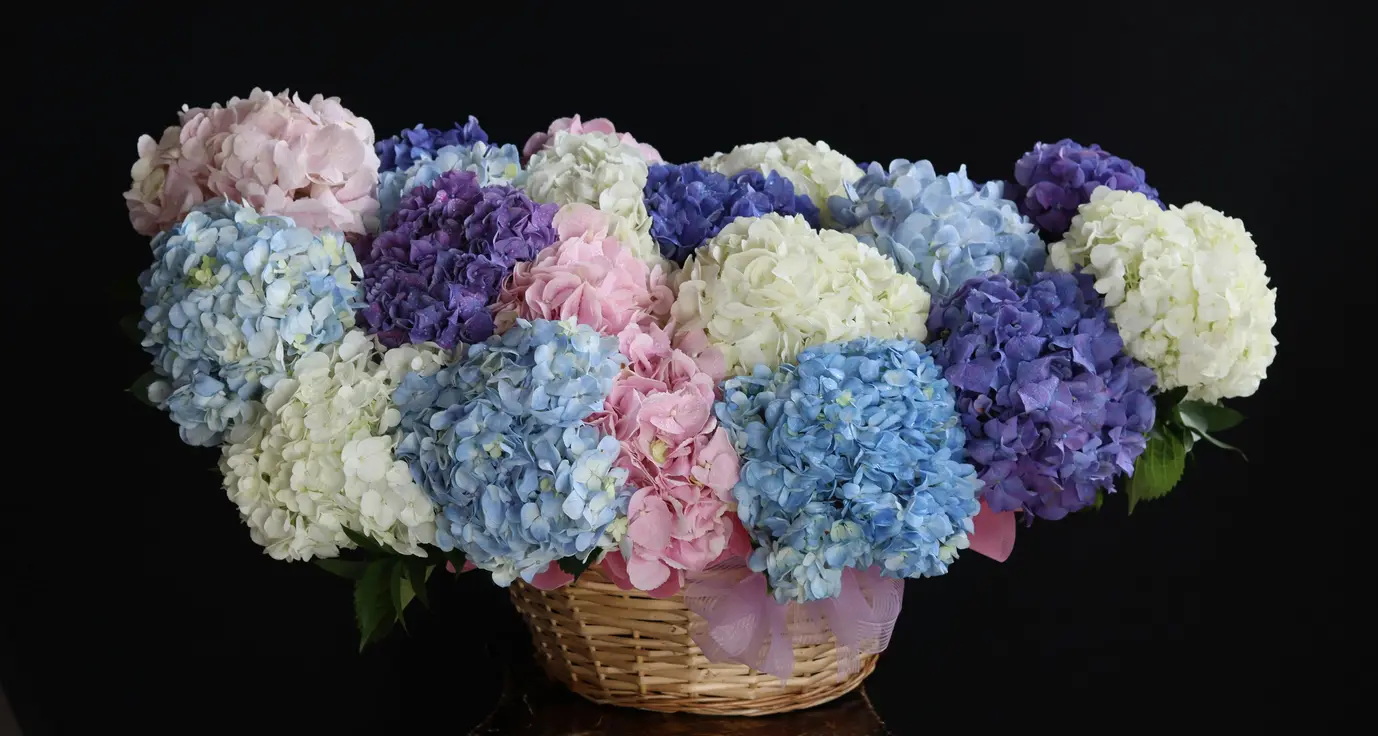
Understanding Your Hydrangea
Hydrangeas are a beloved choice in gardens due to their beautiful blooms and range of colors. However, many garden enthusiasts find themselves pondering the right approach to pruning these lush plants. Understanding the basics of hydrangea types is essential because the pruning method significantly depends on which type of hydrangea you are nurturing.
There are several varieties, but they generally fall into these categories: Hydrangea macrophylla (Bigleaf), Hydrangea paniculata (Panicle), Hydrangea arborescens (Smooth), and Hydrangea quercifolia (Oakleaf), to name a few. Each type has unique characteristics and requires specific pruning techniques to thrive.
When to Prune Hydrangeas
The timing of pruning can affect the blooming success for the coming season. For Bigleaf hydrangeas and Oakleaf hydrangeas, it is best to prune immediately after flowering, which typically occurs in summer. These types bloom on old wood, so pruning them in early spring or late winter would remove the bloom-producing buds.
In contrast, Smooth hydrangeas and Panicle hydrangeas bloom on new wood. Therefore, they can be pruned in late winter or early spring. Doing so encourages vigorous growth and abundant flowers.
General Pruning Tips
Regardless of the hydrangea type, there are general pruning strategies beneficial across the board.
- Remove dead or damaged wood: This is the first step in pruning. Look for branches that appear dead, diseased, or broken and cut them back to the base.
- Thin your plant: This involves removing the oldest canes to optimize air circulation within the bush, thus preventing disease and encouraging new growth.
- Cut with care: Use sharp pruning shears to make clean cuts which can heal more effectively.
Step-by-Step Pruning for Each Hydrangea Type
Bigleaf Hydrangeas: Since they bloom on old wood, prune them after they have bloomed, which is usually late summer. Focus on removing no more than a third of the oldest stems, as cutting back too much can result in fewer blooms.
Smooth Hydrangeas: These can be cut down to the ground in winter or early spring. They tend to grow back with even more vigor and produce larger blooms.
Panicle Hydrangeas: Prune in late winter or early spring before new growth begins. Removing at least a third of the oldest branches will ensure robust growth without sacrificing too many blooms.
Oakleaf Hydrangeas: Prune after flowering finishes in early fall. Like Bigleaf hydrangeas, they bloom on old wood, so focus on removing dead or weak stems.
What to Do with Pruned Material
After a thorough pruning session, you may find yourself with a heap of branches and blooms. Instead of discarding them, consider repurposing. Dried hydrangeas add a charming aesthetic to home decor. Dry them by hanging small bundles upside down in a cool, dry place. Alternatively, hydrangea clippings can be composted, contributing to the nutrient-rich soil for your garden.
Common Mistakes to Avoid
Pruning can seem straightforward, but several common mistakes could jeopardize your hydrangeas. Avoid these pitfalls for the best results:
- Pruning at the wrong time: Understanding whether your hydrangea blooms on old or new wood is fundamental. Mistimed cuts can drastically reduce blooming periods.
- Over-pruning: Removing too much of the plant at once can stress hydrangeas, leading to reduced flowering and weak growth.
- Ignoring health indicators: Always take a good look at your plant before pruning, as signs of disease or pests should be handled immediately to prevent further spread.
The Benefits of Pruning
Pruning is not just about aesthetics; it is crucial for the health and sustainability of your plants. Well-pruned hydrangeas are typically healthier because improved air circulation reduces the risk of fungal diseases. Pruning also encourages larger blooms and keeps the plant at a manageable size, preventing it from becoming leggy and unsightly.
By following these guidelines, you can ensure that your hydrangeas not only survive but thrive, bringing vibrant color and beauty to your garden for seasons to come.