

Understanding Your Orchid
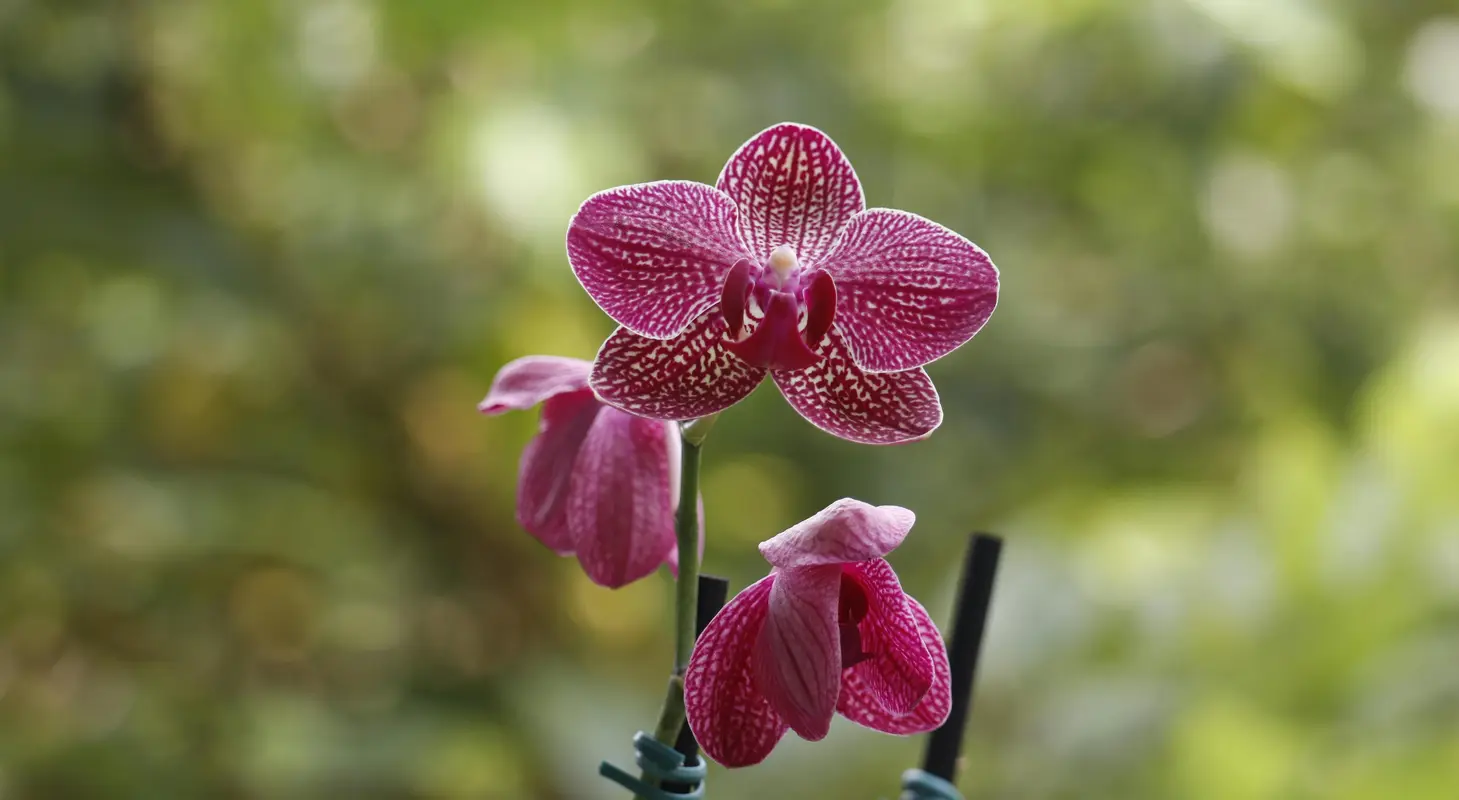
Orchids are magnificent plants, known for their exquisite flowers and exotic appeal. To save your orchid, it’s first essential to understand its unique needs and characteristics. Unlike typical houseplants, orchids are epiphytes, which means they grow on other plants rather than in the soil. Their natural environment is akin to the humid, filtered-light conditions found under the canopy of tropical forests.
Identifying the Problem
The first step in saving an orchid is to correctly identify what’s causing your plant distress. Common problems include inadequate light, improper watering, and poor air circulation. Be on the lookout for signs such as yellowing leaves, wilting, or root rot. Each symptom can tell you something specific about what might be wrong with your plant.
Correcting Watering Issues
Watering is one of the most common areas where orchid owners falter. Orchids need to dry out between waterings because their roots require both air and moisture to thrive. Overwatering is usually the culprit behind root rot and fungal infections.
- Check the roots: Healthy orchid roots are green and firm. If they appear mushy or brown, it’s time to take action.
- Adjust your schedule: Depending on your climate and the orchid’s environment, watering once a week is generally a good rule of thumb. Ensure the pot has good drainage.
- Use the right water: Rainwater or filtered water is ideal as tap water might contain chemicals harmful to orchids.
Enhancing Light Conditions
Orchids need the right amount of light to produce those beautiful blooms. Putting your orchid in direct sunlight can scorch its leaves, while too little light prevents flowering.
- Positioning: Provide bright, indirect light. East or west-facing windows are typically best.
- Light check: If leaves grow darker and your orchid stops blooming, it might need more light. Conversely, yellowing leaves may indicate too much light.
Addressing Temperature and Humidity
Maintaining the right climate is crucial for an orchid’s survival. These plants love humidity and warmth but are not fans of rapid environmental changes.
- Temperature: Most orchids thrive in temperatures between 65–75°F (18–24°C). Avoid placing your orchid in drafty areas or where temperatures fluctuate dramatically.
- Humidity: If you live in a dry area, consider using a humidifier or placing a tray of water with pebbles underneath the pot to increase surrounding humidity.
Improving Air Circulation
Orchids thrive in conditions with good air circulation, which helps prevent disease and promotes healthy growth. If your orchid is indoors, ensure there’s adequate air movement but be wary of cold drafts.
- Ventilation: A small fan can help, but make sure it’s not directed right at the plant.
- Spacing: Avoid crowding your orchid with other plants, which can stifle air circulation.
Using the Right Potting Medium
Since orchids are epiphytes, traditional potting soil isn’t suitable. Instead, they need a special medium that resembles their natural growing conditions.
- Repotting: Use a medium like bark chips, sphagnum moss, or a special orchid mix that provides good air circulation and drainage.
- Pot selection: Opt for pots with plenty of drainage holes. Clear plastic pots are great for monitoring root health.
Fighting Pests and Diseases
Finally, keeping your orchid free from pests and diseases ensures a long and healthy life. Common pests include aphids, mealybugs, and spider mites. Regular checks and appropriate measures will keep these at bay.
- Inspection: Regularly inspect the underside of leaves and flowers where pests often hide.
- Treatment: Use neem oil or insecticidal soap as a natural pest deterrent. Clean plants by wiping leaves with a soft, damp cloth.
Encouraging Bloom
Poor blooming is often a sign of an environmental issue. Once you fix the previously mentioned problems and your orchid is back to health, encourage blooming by mimicking the slight drop in nighttime temperatures they’d experience in the wild.
- Temperature differential: If possible, lower the temperature by 10°F (5°C) at night for a couple of weeks.
- Nourishment: Feed your orchid with a balanced fertilizer specifically formulated for orchids every two weeks.
By cultivating a better understanding of your orchid’s needs and environment, you can turn around its health and vitality. With consistent care and attention to detail, your orchid will not only survive but flourish.