


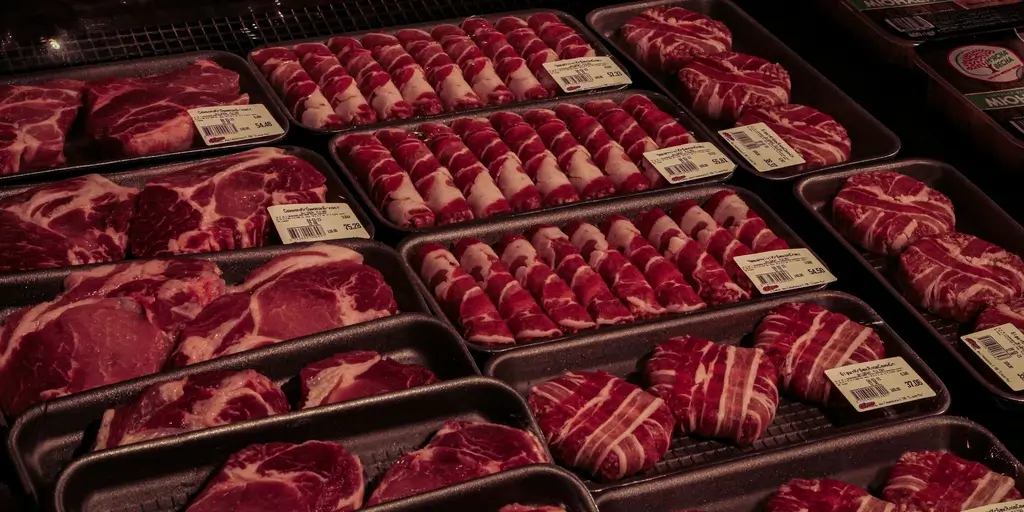
Choosing the right type of meat for your diet can be confusing, with various options like chicken, pork, and beef often dominating our meal plans. Each has its own advantages and drawbacks, but what do nutritionists say about which meat might be the worst for your health?
The Protein Conundrum: Quality vs. Quantity
Protein is essential for muscle growth, repair, and overall body functions. Chicken is often lauded for its high protein content and low fat levels, making it a staple in many health-conscious diets. On the other hand, pork and beef offer rich flavors and are sources of complete proteins but come with different nutritional profiles.
Fat Content and Cardiac Health
One critical factor to consider when choosing meat is the type and amount of fat it contains. Beef, especially cuts like ribeye or T-bone, tends to be higher in saturated fats, which can raise cholesterol levels and increase the risk of heart disease. Pork, while generally leaner than beef, can also be high in saturated fats depending on the cut.
Chicken, particularly the breast, is often the preferred choice for those looking to minimize fat intake, although the skin should be avoided due to its saturated fat content. For heart health, it’s essential to select lean cuts of meat and limit portions.
- Beef (ribeye, T-bone, sirloin)
- Pork (bacon, ribs)
- Chicken (skinless breast, thighs)
Nutrient Density: It’s Not Just About Protein
Aside from protein, beef is rich in iron and vitamin B12, both vital for red blood cell production and preventing anemia. Nonetheless, experts caution about the higher purine content in beef, which might not be ideal for people with certain health conditions like gout.
Pork, often referred to as the “other white meat,” also provides a decent balance of vitamins and minerals but is notably higher in thiamin, essential for energy metabolism. Meanwhile, chicken provides vitamin B6 and niacin, supporting brain health and energy production.
Health Risks and Concerns
Red meat, including both beef and pork, has been a subject of concern due to its links to colorectal cancer and other health problems when consumed in large amounts. The World Health Organization has classified processed meats like bacon and sausages as carcinogenic and red meat as a probable carcinogen.
Chicken, while considered safer in terms of cancer risk, comes with concerns about bacterial contamination such as Salmonella and Campylobacter. Proper handling and cooking are necessary to prevent foodborne illnesses.
Ethical and Environmental Considerations
A diet including less meat, particularly red meat, can also be more sustainable. Beef production typically involves significant resources, leading to higher greenhouse gas emissions compared to pork and chicken. Choosing chicken or opting for plant-based proteins can reduce one’s environmental footprint.
The decision about which meat to consume should not be based solely on nutritional content but should also consider preparation methods, portion sizes, and balance within the diet. Moderation and variety are key, and consulting with a nutritionist could provide personalized recommendations optimized for individual health needs.