

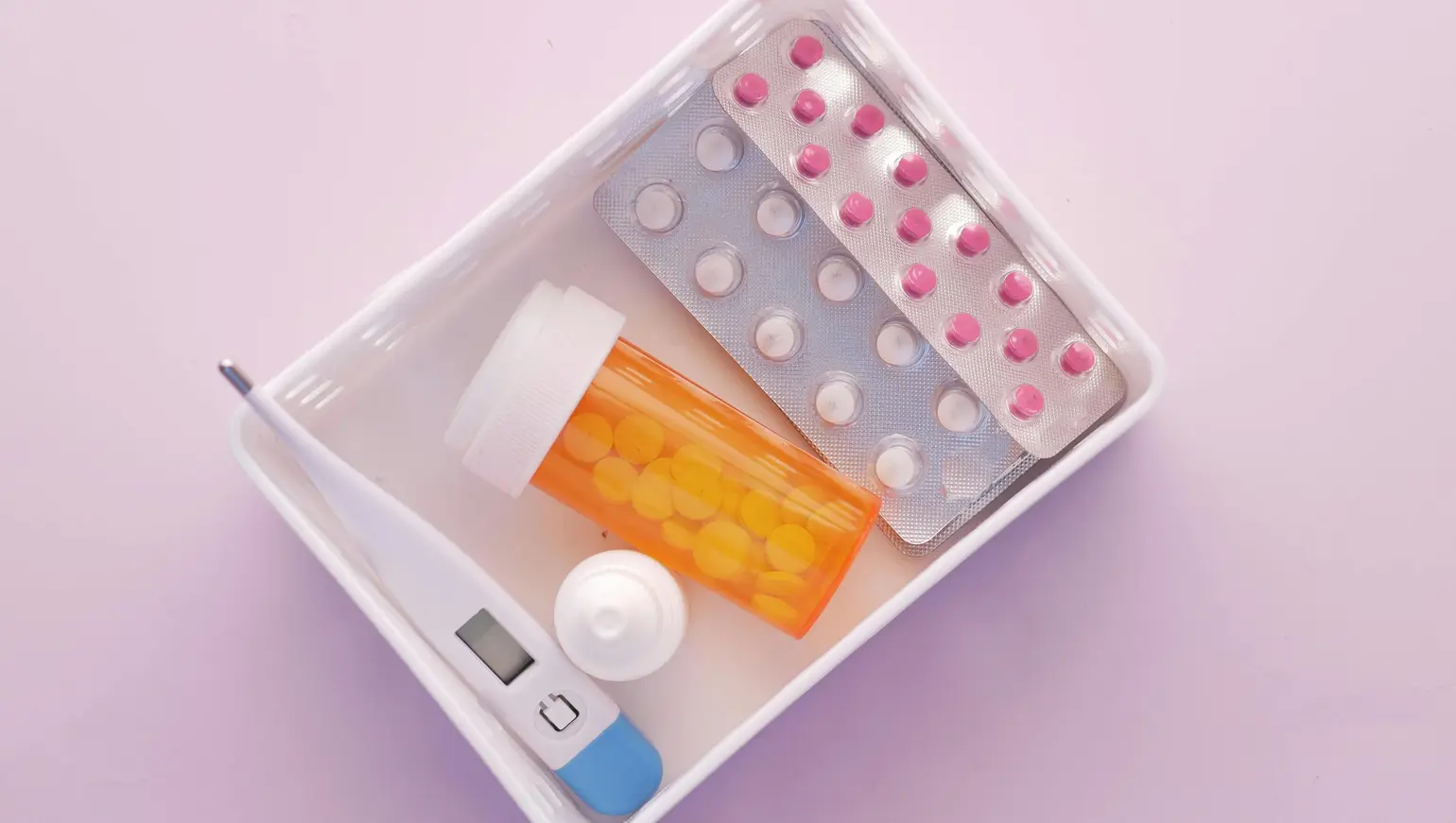
Having a well-stocked medicine cabinet is essential for every household. Emergencies don’t arrive with a warning, and being prepared can make a significant difference in managing minor health issues before they escalate. Here’s a guide on some essential over-the-counter (OTC) medications to consider keeping at home.
Pain Relievers
Pain relief medications are a staple in any home. They help manage headaches, muscle soreness, toothaches, and other minor aches. Ibuprofen (Advil or Motrin) and acetaminophen (Tylenol) are commonly used pain relievers. They not only alleviate pain but also reduce fever. However, it’s important to be mindful of dosing, especially in children, and to follow guidance provided on the packaging or from a healthcare professional.
Antihistamines
Allergies can occur unexpectedly, and having antihistamines on hand can provide quick relief. Loratadine (Claritin) and diphenhydramine (Benadryl) are effective in treating symptoms such as sneezing, itching, and runny noses. While loratadine is non-drowsy, diphenhydramine can cause drowsiness and is often used as a nighttime remedy.
Digestive Aids
Digestive problems such as heartburn, indigestion, or diarrhea can strike at any time. Keeping antacids like Tums or H2 blockers like famotidine (Pepcid) handy can offer relief for heartburn. For diarrhea, medications such as loperamide (Imodium) are effective. Always ensure you stay hydrated if you’re experiencing any digestive upset.
Cough and Cold Remedies
Colds and flu are common, especially during the winter months. It’s wise to keep decongestants like pseudoephedrine (Sudafed) and cough suppressants such as dextromethorphan in your medicine cabinet. Look for multi-symptom medications that address cough, congestion, and other flu-like symptoms, but make sure they are appropriate for everyone in the household.
Topical Treatments
For cuts, scrapes, or bites, topical treatments are essential. Keep antibiotic ointments like Neosporin to prevent infections. Corticosteroid creams like hydrocortisone are useful for soothing itchy skin or rashes caused by allergies or insect bites.
Miscellaneous Supplies
Don’t forget basic supplies like a thermometer for checking fevers, especially important in households with children, and a first aid kit that includes band-aids, gauzes, and antiseptic wipes. These items are invaluable during small accidents.
Medication Safety Tips
- Always check expiration dates regularly and dispose of expired medications safely.
- Keep medications out of reach of children and pets.
- Be cautious of drug interactions; consult with a healthcare provider if unsure.
- Store medications in a cool, dry place to ensure they maintain their efficacy.
By maintaining a comprehensive and thoughtfully selected home medicine cabinet, you’re prepared to handle most minor injuries and illnesses. However, remember that these medications are for temporary relief and if you’re experiencing persistent or severe symptoms, it’s crucial to seek professional medical advice.