


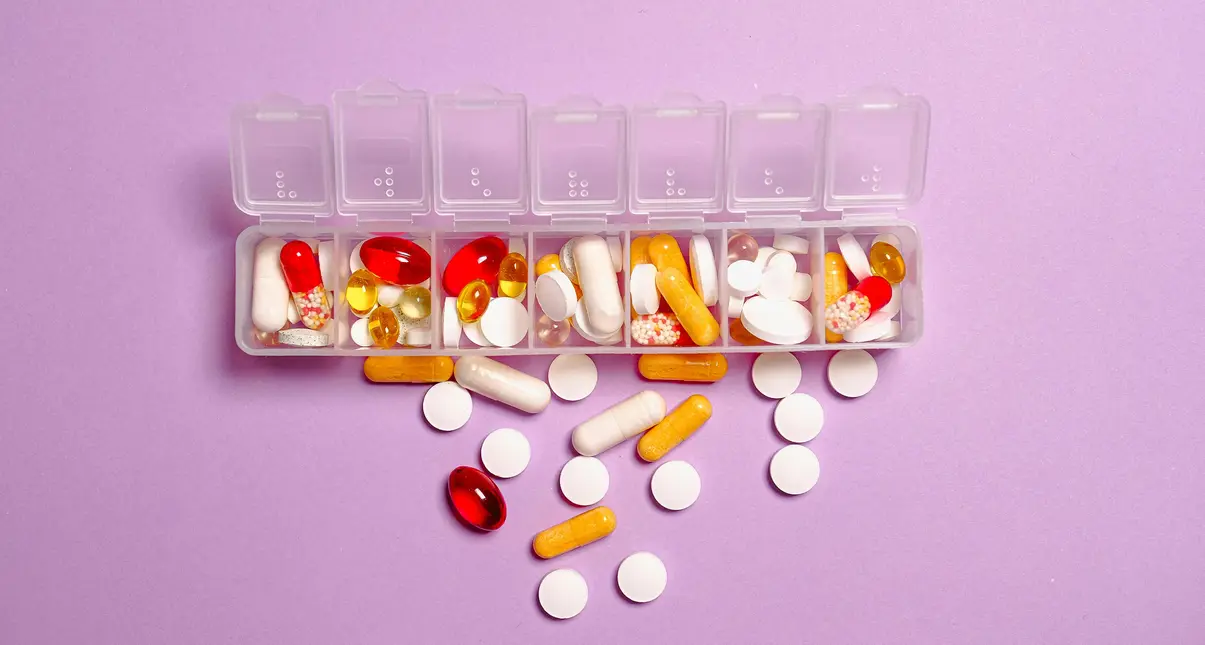
Understanding Iron Supplements
Iron is a crucial mineral that plays a vital role in many bodily functions, including the production of hemoglobin, which helps red blood cells carry oxygen through the body. When your body lacks sufficient iron, you may experience fatigue, weakness, and other symptoms of anemia. For many, iron supplements become an essential way to replenish these levels and maintain healthy bodily functions.
However, like with any supplement, it’s important to approach iron supplementation with care. Here are seven tips to help you make the most out of your iron supplements while minimizing potential side effects.
1. Choose the Right Form of Iron
Iron supplements come in various forms, each with unique absorption rates and side effect profiles. The most common forms include ferrous sulfate, ferrous gluconate, and ferrous fumarate. **Ferrous sulfate** is often the most recommended due to its high absorption rate. However, some individuals may find it causes gastrointestinal issues. For those experiencing such discomfort, **ferrous gluconate** or **ferrous fumarate** might prove to be gentler alternatives.
2. Pay Attention to Dosage
When beginning any new supplement regimen, it’s essential to follow recommended dosages. Always consult with a healthcare provider to determine the appropriate dose based on your specific health needs. Overloading on iron can lead to toxicity, so sticking to a dose that fits your body’s requirements is key. A common dose for adults fighting iron deficiency anemia ranges from 60 to 120 mg of elemental iron per day.
3. Pair Iron with Vitamin C
Iron absorption can be significantly enhanced when taken with **vitamin C**. This pairing is important because vitamin C reduces iron to a form that’s easier for the digestive system to absorb. Consider consuming your iron supplement with a small glass of orange juice or a vitamin C supplement to boost efficacy.
4. Timing Matters
The time of day when you take your iron supplement is crucial to its absorption and your comfort. For optimal absorption, take iron supplements on an **empty stomach**. However, if taking it on an empty stomach causes gastrointestinal discomfort, you might want to take it shortly after a meal. Be consistent with the timing to help your body to adjust and achieve the best results.
5. Avoid Certain Foods and Drinks Around Supplement Time
Some foods and drinks can interfere with iron absorption, rendering your supplements less effective. **Calcium-rich foods**, such as dairy products, as well as **coffee**, **tea**, and **caffeinated beverages**, can inhibit absorption. It is advisable to avoid these substances for at least an hour before and after taking your iron supplement.
6. Understand Potential Side Effects
Though iron supplements are vital for many, they can come with side effects. Common side effects include constipation, upset stomach, or a change in stool color. If you experience any adverse effects, consult your healthcare provider. They may suggest an alternative form of iron or an adjusted dosage. Increasing your fiber intake and staying hydrated can help mitigate side effects like constipation.
7. Monitor Your Progress
Regular monitoring through blood tests is crucial when taking iron supplements. These tests help ensure that your iron levels are returning to normal and that you are not experiencing iron overload, which can be harmful. Work closely with your healthcare provider to determine the frequency of these tests and to adjust supplementation as needed.
Iron supplements can be a crucial component in managing iron deficiency and improving overall health. By choosing the right supplement, paying careful attention to timing and pairing with vitamin C, and being aware of your body’s response, you can optimize iron absorption and effectiveness. Always work closely with your healthcare provider to tailor your supplementation to your individual health needs.