

1. Above the Fireplace
Mounting a TV above the fireplace is a common design choice, but it can be problematic for both ergonomics and the longevity of your television. The heat and soot from a fireplace can gradually damage your TV’s components. Moreover, this placement can cause neck strain from having to look up constantly while watching.
One key issue is the alignment: viewing a television from higher than your eye level isn’t just ergonomically unsound; it can also affect image quality. Glare from lighting or windows might also be a problem if the screen is angled poorly.
2. In Direct Sunlight
Placing your TV where it’s exposed to direct sunlight can create two primary issues: heat and glare. Excessive heat can affect the TV’s hardware, potentially leading to overheating and reduced lifespan. Meanwhile, glare on the screen can impede your view, causing eyestrain as you struggle to see the picture clearly.
If your room configuration makes it hard to avoid sunlight exposure entirely, consider installing heavy curtains or blinds, or opt for TVs with anti-glare screens.
3. In the Kitchen
While it might seem convenient to watch TV while cooking, the kitchen is a less-than-ideal environment for electronics. The humidity from boiling water and steam, not to mention experimental splatters from cooking, can lead to moisture buildup in your television, causing damage over time. Additionally, continuous exposure to kitchen oils and residues can affect picture clarity by accumulating on the screen.
If you desire entertainment in the kitchen, consider investing in a specially designed kitchen TV that is built to withstand such conditions.
4. In High-Traffic Areas
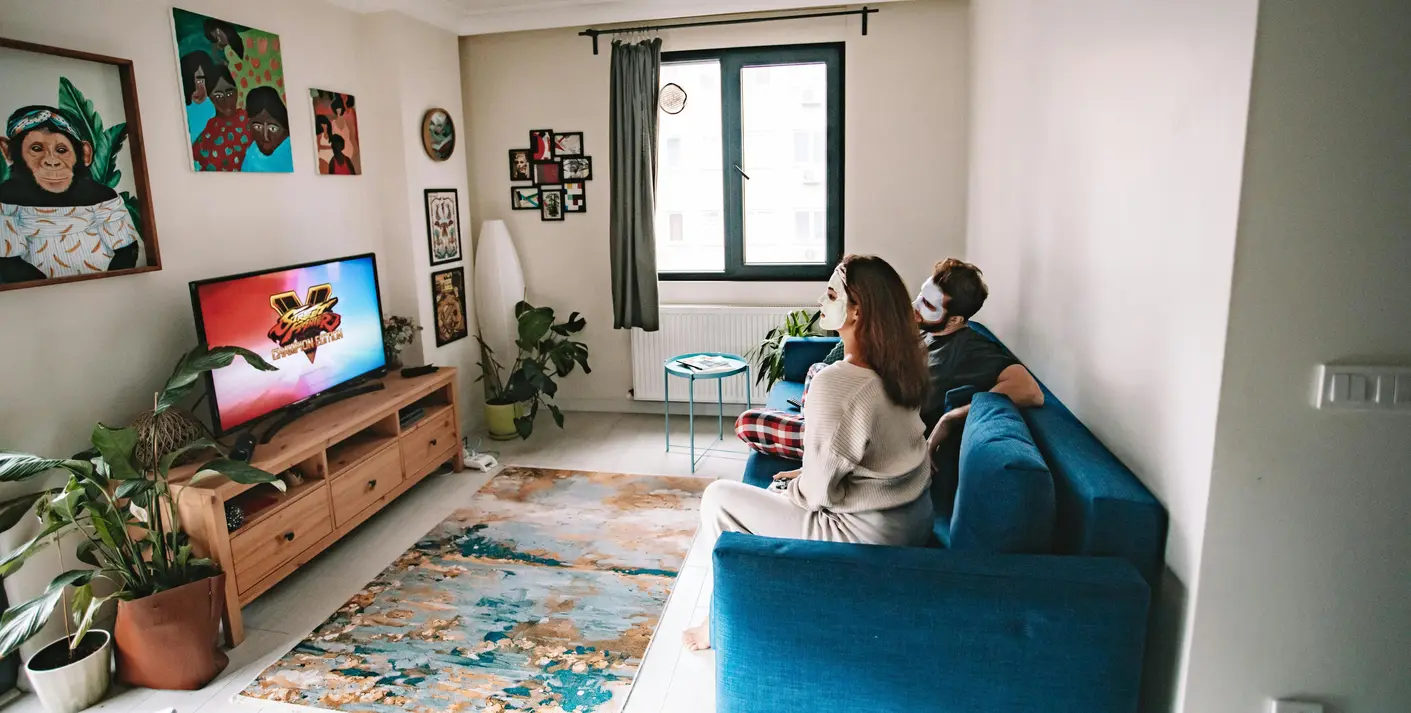
Positioning your TV in a high-traffic area might disrupt both the flow of your home and the viewing experience. Viewing distractions are abundant in these spots, and there’s also an increased risk of the TV being bumped into or damaged by daily activities.
Instead, select a location where viewers can sit comfortably without interruptions, such as in a dedicated TV room or a corner of your living room that’s out of the main traffic flow.
5. On Unstable Surfaces
While this might seem obvious, placing a TV on an unstable surface remains a common oversight. Furniture that’s not designed to hold a TV can pose safety risks, including the TV tipping over or the furniture collapsing under its weight.
Ensure your TV stand or mount is designed to support your television securely. Consider mounting it on the wall for extra stability if you have active children or pets at home.
When setting up your television, aiming for safety, comfort, and optimal viewing conditions should guide your placement choice. By considering these factors, you ensure a better, and longer-lasting entertainment experience.