


The arrival of spring brings a renewed sense of energy and enthusiasm to gardeners everywhere. As the days grow longer and warmer, it’s the perfect time to get back into the garden and start planting. However, in our eagerness to embrace the new season, it’s easy to make mistakes that can be detrimental to our gardens. Here are five common gardening mistakes to look out for this spring, along with tips on how to avoid them.
1. Planting Too Early
One of the most common mistakes gardeners make in the spring is planting too early. The excitement of seeing the first signs of spring can lead us to jump the gun, only to have tender seedlings succumb to late frosts. It’s crucial to know your local weather patterns and the last frost date for your area. Patience is key—wait until the soil has warmed up and you’re certain the threat of frost has passed. Use row covers or cloches to protect young plants if a sudden cold snap is predicted.
2. Neglecting Soil Preparation
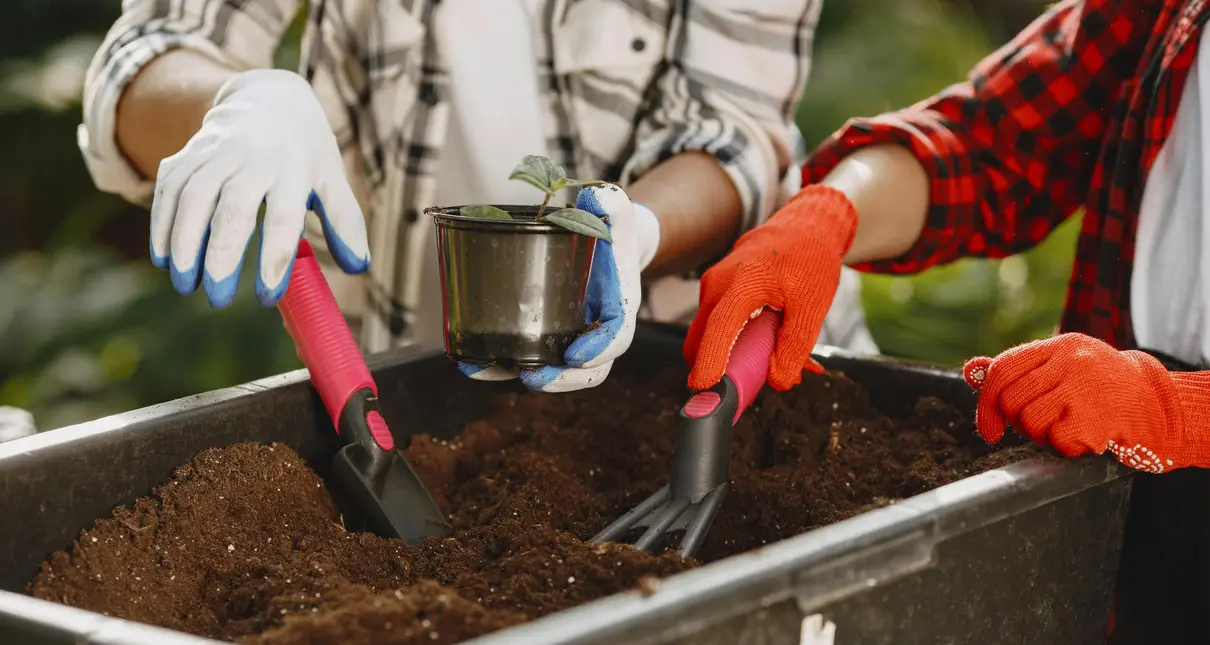
Healthy soil is the foundation of a successful garden. Neglecting to properly prepare your soil can lead to poor plant growth and low yields. Before planting, take the time to clean up debris from the previous season, test your soil’s pH levels, and amend it with organic matter such as compost. This will improve soil structure, provide essential nutrients, and promote healthy root development.
3. Overcrowding Plants
In the eagerness to create a lush garden, it’s an easy mistake to plant too many seeds or seedlings in a small area. Overcrowding can lead to competition for nutrients, sunlight, and water, resulting in poor growth and increased susceptibility to pests and diseases. When planning your garden, be mindful of the mature size of each plant and provide adequate spacing to ensure they thrive. Don’t forget to thin out seedlings as they grow to avoid overcrowding.
4. Ignoring Pest Management
Spring is a time of rapid growth—not just for plants, but also for pests. Failing to implement a pest management strategy can lead to crop damage and loss. Regularly inspect your plants for signs of pests, such as chewed leaves or droppings, and use natural predators or organic insecticides to keep them at bay. Encourage beneficial insects like ladybugs and bees by providing habitats or planting companion plants that attract them.
5. Watering Inconsistently
Watering is one of the most fundamental gardening tasks, yet it’s often where mistakes happen. Inconsistent watering practices, such as overwatering or allowing soil to dry out, can stress plants and make them vulnerable to disease. Establish a watering routine that provides adequate moisture based on the needs of your specific plants and the prevailing weather conditions. Early morning is typically the best time to water, as it allows foliage to dry out during the day, reducing the risk of fungal diseases.
By being aware of these common mistakes, you can set your garden up for success this spring. Take the time to plan, prepare, and manage your garden with care, and you’ll be rewarded with a bountiful harvest and beautiful blooms throughout the season.