

Embrace the Winter with Lush Greenery
As the cold months settle in, bringing with them shorter days and chillier nights, it’s tempting to spend more time indoors, surrounded by warmth and comfort. One of the most delightful ways to enhance your indoor space and spruce up your winter season is by incorporating plants that thrive despite the cold, adding a touch of nature’s elegance to your home.
1. The Resilient Snake Plant (Sansevieria)
Snake plants are a renowned favorite for plant enthusiasts who are looking for easy-care options that withstand diverse conditions. This hardy plant isn’t just a powerhouse in terms of aesthetics; known for its sword-shaped leaves and rich green hues, it also boasts some exceptional survival skills.
Caring Tips: With its ability to tolerate low light levels and infrequent watering, the Snake Plant is especially suited to winter when light and temperatures drop. Water every 3-4 weeks, allowing the soil to dry out completely between watering to prevent root rot.
2. Low-Light Loving Pothos (Epipremnum aureum)
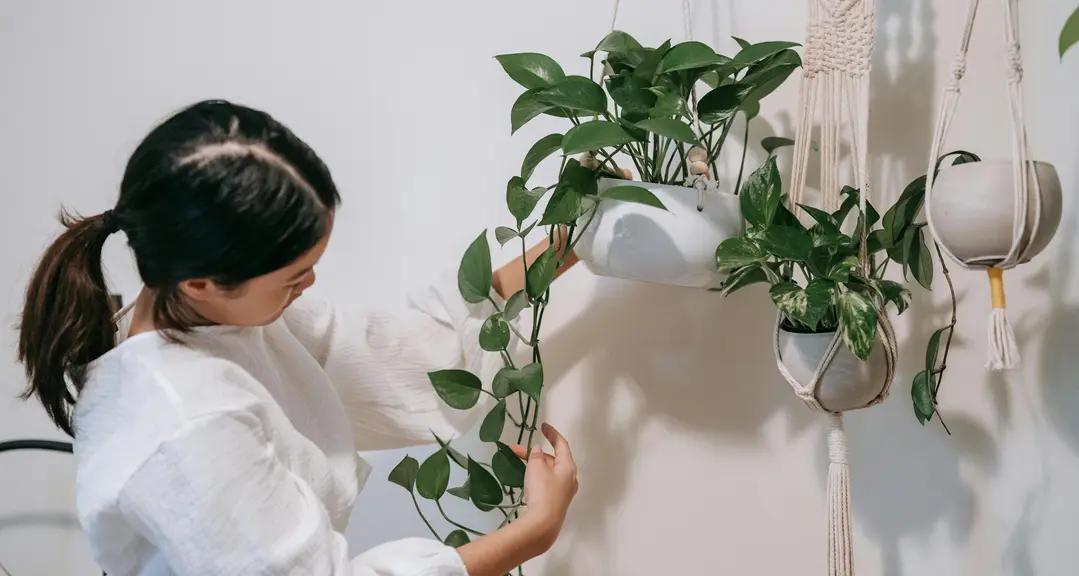
The Pothos, also known as Devil’s Ivy, makes for a delightful addition to any winter indoor garden due to its lush trailing vines and forgiving nature. Its vibrant leaves, often variegated with splashes of yellow, white, or pale green, can drape elegantly from shelves or hanging baskets.
Why Choose Pothos: It thrives in low-light environments, which makes it perfect for those winter days with limited sunlight. As an added benefit, Pothos are effective air purifiers, helping to improve the indoor air quality when windows are kept shut against the chill.
Care Instructions: Pothos prefers indirect light but can survive in dimmer spots, making it highly adaptable. Water when the soil feels dry to the touch.
3. The Hardy ZZ Plant (Zamioculcas zamiifolia)
For someone with a history of plant failure yet wishing to test their green thumb, the ZZ Plant may be the ideal companion. Characterized by its waxy, dark green leaves and ability to store water, the ZZ Plant is the definition of low maintenance.
Benefits of the ZZ Plant: It’s a striking ornamental option that tolerates low light, neglect, and dry conditions common indoors during the colder months. Despite your busy schedule or occasional forgetfulness, the ZZ Plant remains healthy and resilient.
Care Guidelines: Ensure proper drainage, watering when the soil is dry, and placing it in moderate light to keep it thriving.
4. The Humidity-Loving Peace Lily (Spathiphyllum)
The Peace Lily is an indoor favorite for both its beauty and air-purifying characteristics. Known for its glossy, dark green leaves and white blooms that resemble calla lilies, it thrives in settings where temperature control provides consistent warmth.
Optimal Conditions for Peace Lily: These plants prefer a bit more humidity, thus enjoying the cozy indoor air of winter homes. They’re best placed in indirect sunlight to prevent leaves from scorching while still achieving adequate light.
Watering Tips: Unlike other hardy plants, Peace Lilies favor a bit more moisture; hence, keep the soil consistently moist but not waterlogged, with a slight increase in humidity as a fail-safe for flourishing growth.
Final Thoughts on Winter-Friendly Greens
Investing time and space in nurturing these plant companions can bring warmth, vitality, and a reminder of spring’s promise into your home during winter. They don’t just elevate your home’s aesthetic appeal but also contribute to a healthier living environment. Each plant with its own distinct character provides the burst of energy and purpose many of us seek during the colder months.